Sapphire Centre
What Is a Ceylon Sapphire?
What a Ceylon sapphire actually is, where Sri Lankan sapphires are mined, how laboratories assess origin and why the name alone never guarantees quality.
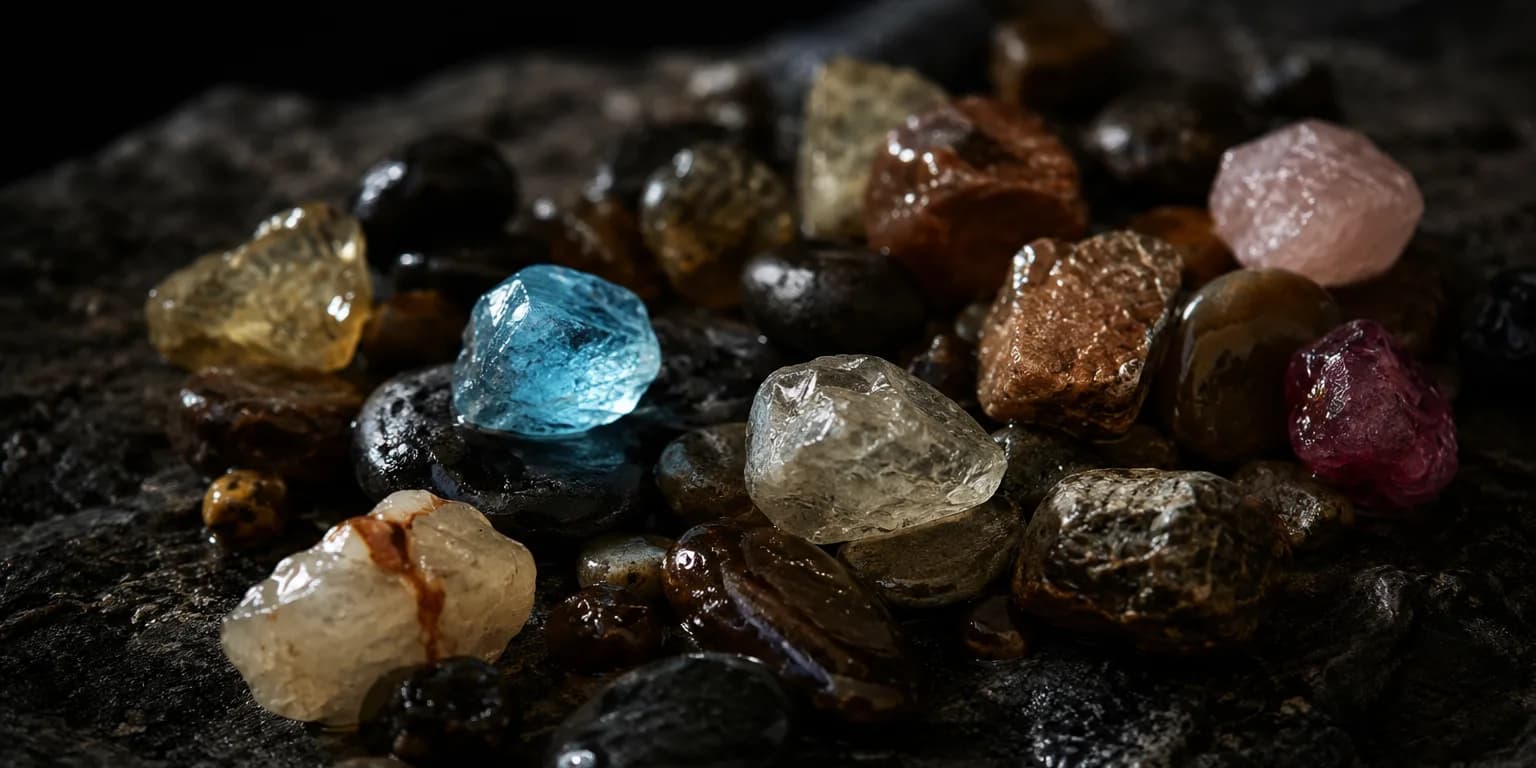
A Ceylon sapphire is a sapphire mined in Sri Lanka, the island historically known as Ceylon. The name refers to geographic origin, not to a quality grade, and is traditionally associated with bright, medium-toned blues of high transparency. Origin can only be supported by a laboratory origin opinion, so a 'Ceylon' claim on an invoice should be backed by an independent report for any significant stone.
Few names in the coloured stone trade carry as much history as "Ceylon sapphire". The term appears on invoices, in auction catalogues and in laboratory reports, yet buyers often meet it without a clear sense of what it does, and does not, promise. This article explains the name precisely, so that you can weigh it properly when it appears on a stone offered to you.
What Does "Ceylon Sapphire" Mean?
A Ceylon sapphire is simply a sapphire mined in Sri Lanka, the island known as Ceylon until 1972. Sapphire itself is the gem variety of the mineral corundum, an aluminium oxide that owes its colours to trace elements such as iron and titanium. "Ceylon" adds one piece of information to that identity: geographic origin.
It is important to be clear about what the term is not. It is not a quality grade, not a colour description and not a treatment status. Sri Lanka produces superb sapphires and very ordinary ones, heated stones and unheated stones, in every colour corundum can show. The name tells you where a stone formed, nothing more.
Where Sri Lankan Sapphires Are Found
Sri Lanka's sapphires come principally from secondary deposits, gem-bearing gravels, known locally as illam, laid down by rivers that eroded the island's ancient crystalline rocks. The best-known mining region surrounds Ratnapura, whose name translates as "city of gems", with further historic workings in areas such as Elahera and, more recently, the south of the island.
Mining remains largely small in scale and traditional in method. Pits are sunk to the gravel layer, the illam is raised and washed in woven baskets, and sharp-eyed sorters pick the rough by hand. Our geology resource explains how these gem deposits form. This pattern of production has continued, with refinements, for a very long time, historical accounts of the island's gems reach back to antiquity, giving Sri Lanka one of the world's longest documented histories of gem production.
What Distinguishes Ceylon Sapphires
In the trade, the classic Ceylon blue is associated with lighter to medium tones, lively brightness and high transparency, a different character from the darker, more velvety blues associated with some other origins. Many buyers prize precisely this luminous quality, particularly in daylight.
The island's range extends far beyond blue. Sri Lanka is the historic home of padparadscha, the rare pinkish-orange sapphire, and a significant source of yellow, pink, violet and white sapphires, as well as star sapphires showing asterism. Our guide to sapphire colours covers the full spectrum.
How Laboratories Determine Origin
Origin cannot be read from a stone's beauty. Gemmological laboratories form origin opinions by studying internal features, the suite of inclusions characteristic of particular geological environments, together with trace-element chemistry and spectroscopic data, compared against reference stones of documented provenance.
Two caveats matter. First, an origin conclusion is a professional opinion, not a certified fact, and respected laboratories occasionally reach different conclusions on the same stone. Second, not every sapphire shows enough internal evidence for any confident opinion at all. Our article on sapphire origin reports explains how to read these documents.
Does the Name Guarantee Quality?
No, and this is the single most useful thing a buyer can remember. Because "Ceylon" carries prestige, it is sometimes applied loosely, or attached to stones whose origin has never been independently examined. A weak, heavily included sapphire from Sri Lanka remains a weak sapphire; a magnificent stone from elsewhere remains magnificent.
Judge every sapphire on colour, clarity, cut and carat weight first, and treat origin as a final, documented refinement of value rather than its foundation. The factors are set out in our guide to sapphire price factors.
Buying a Ceylon Sapphire
If origin matters to your purchase, insist that it appears in writing on the invoice and, for any significant stone, ask for an independent laboratory report that includes an origin opinion. A seller confident in a Ceylon claim will not resist verification. For the practical steps, questions, documents and examination, see our guide to buying a loose sapphire and the broader guide to how to buy a sapphire.
Frequently asked questions
Is a Ceylon sapphire better than other sapphires?
Not automatically. Ceylon describes origin, not quality. Sri Lanka produces stones across the full quality range, and a fine sapphire from another source can outrank an ordinary Sri Lankan one. Each stone must be judged on its own colour, clarity and cut.
How do I know a sapphire is really from Sri Lanka?
Only a reputable gemmological laboratory can offer an origin opinion, based on the stone's inclusions and trace-element chemistry. Even then it is a professional opinion, not a guarantee, so treat undocumented origin claims with caution.
Are Ceylon sapphires always blue?
No. Sri Lanka produces sapphires in blue, yellow, pink, violet, purple, white and the rare pinkish-orange padparadscha, along with colour-change and star sapphires.
Why is Sri Lanka still called Ceylon in the gem trade?
Ceylon was the island's name under colonial rule and remained in commercial use after the country became Sri Lanka in 1972. The gem trade kept the older name because centuries of reputation were attached to it.
Related terms
Sources
- Gemological Institute of America (GIA), Sapphire identification, corundum properties and origin research
- Gübelin Gem Lab, Laboratory approach to country-of-origin determination
- International Colored Gemstone Association (ICA), Trade context for sapphire sources and terminology
- GIA: Sapphire Description, Sapphire identity, colour causes and Sri Lanka as a traditional source
- Gems & Gemology (Fall 2014): Sri Lanka expedition, Field report on the Sri Lankan industry from mine to market
External references are provided for verification. Listing a source does not imply affiliation or endorsement.
Seen something that needs correcting? Read how corrections work or contact the editorial team.
Related Guides
Sapphire Centre
What Is a Sapphire Origin Report?
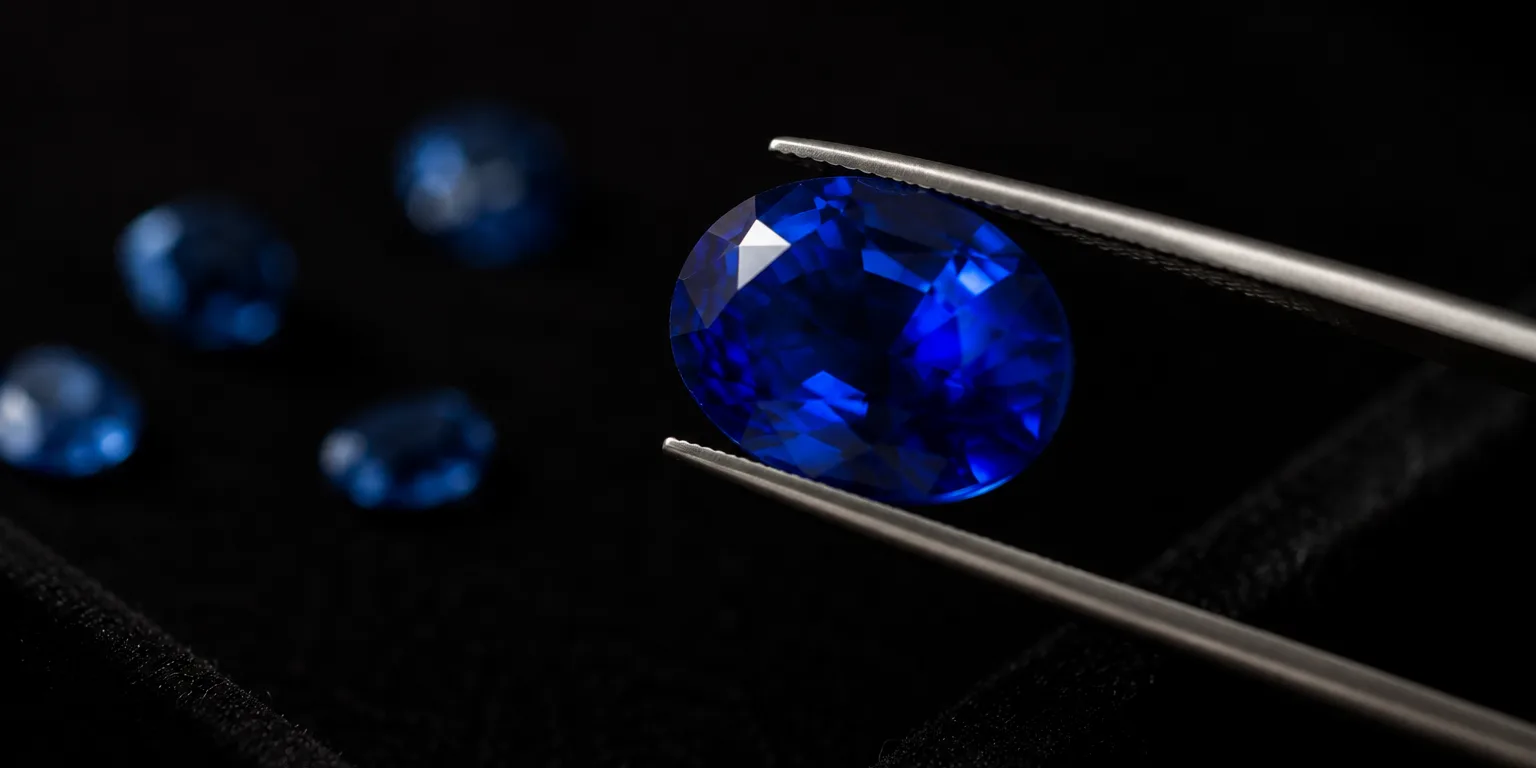
How laboratories form opinions on where a sapphire was mined, why origin conclusions are opinions rather than guarantees, and how to use them when buying.
3 min read
Sapphire Centre
What Colours Do Sapphires Come In?
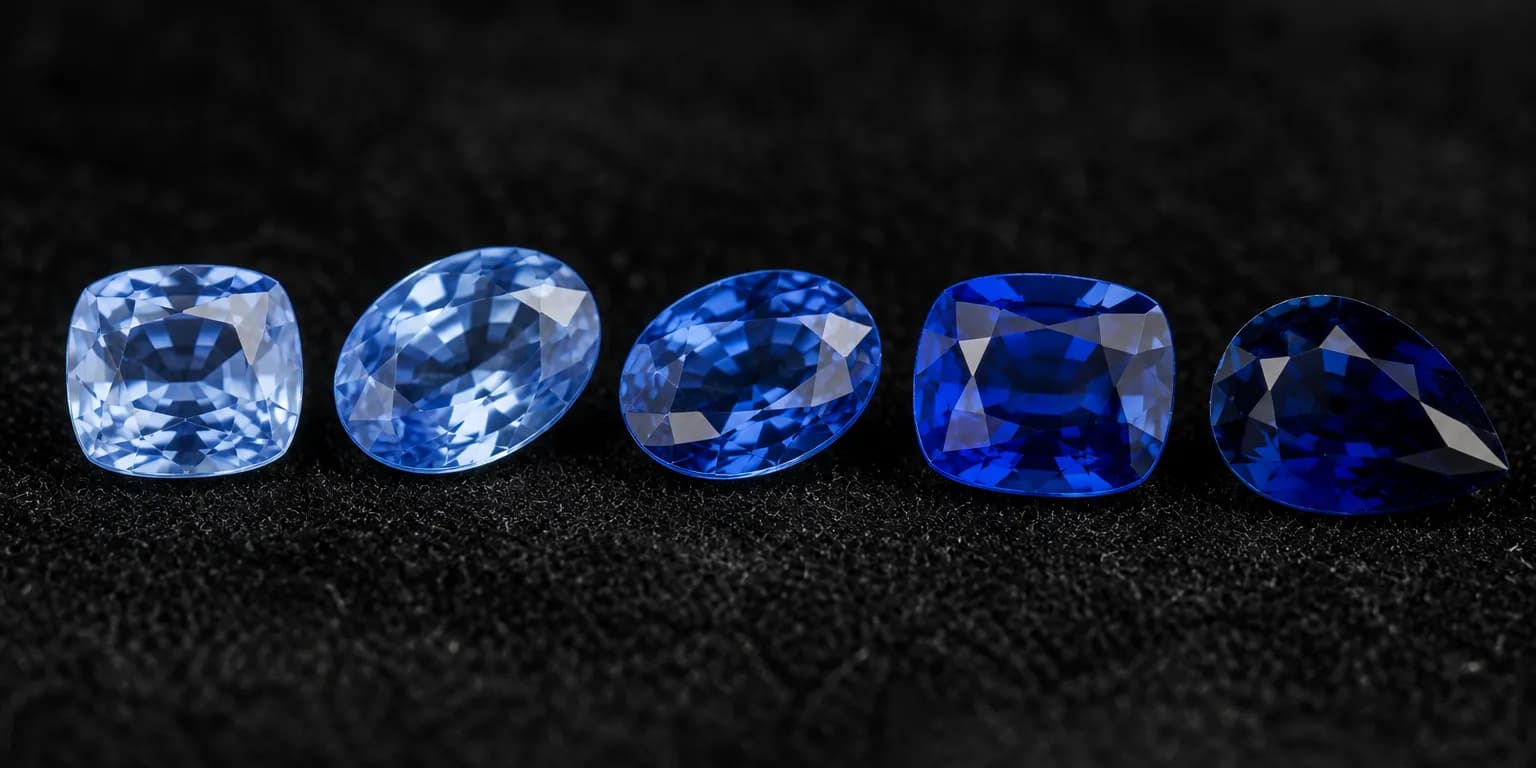
A guide to the full range of sapphire colours, blue, yellow, pink, padparadscha and more, and how hue, tone and saturation shape beauty and value.
3 min read
Sapphire Centre
How Do You Buy a Loose Sapphire?
A practical process for buying a loose sapphire, examining the stone, questioning the seller, verifying claims and securing the right documents.
3 min read
Sapphire Centre
What Determines the Price of a Sapphire?
The factors that set sapphire prices, colour, clarity, cut, carat weight, treatment status, origin and documentation, and how they interact.
3 min read