Ceylon Sapphire
The most iconic gemstone of Sri Lanka
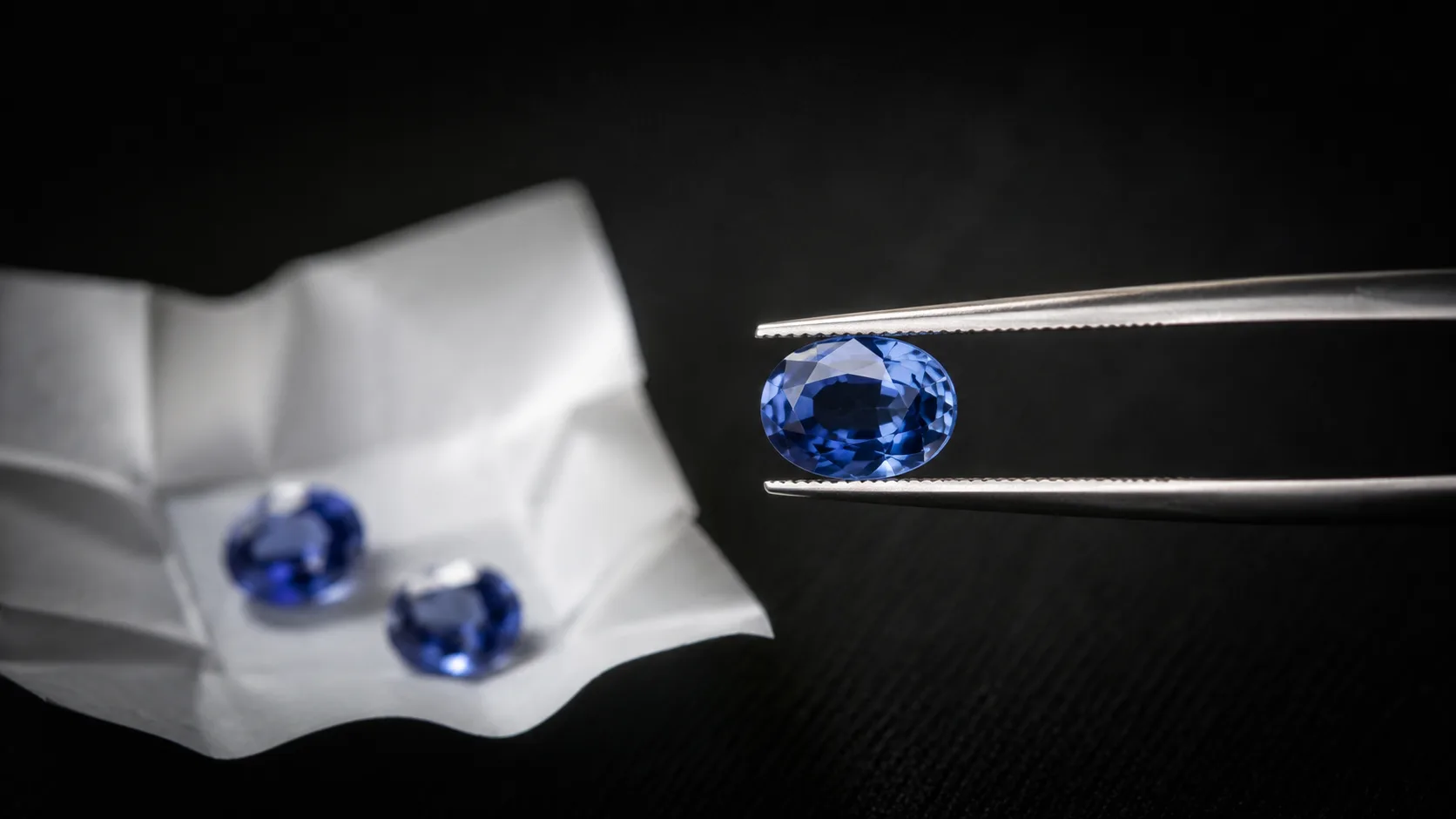
Ceylon sapphire is a trade term for sapphire mined in Sri Lanka, a country with one of the world's longest documented histories of sapphire production. The term describes origin, not a grade of quality.
Updated:
Natural Beauty
From Sri Lanka
Durability
Mohs 9
Treatments
Heating (very common)
Overview
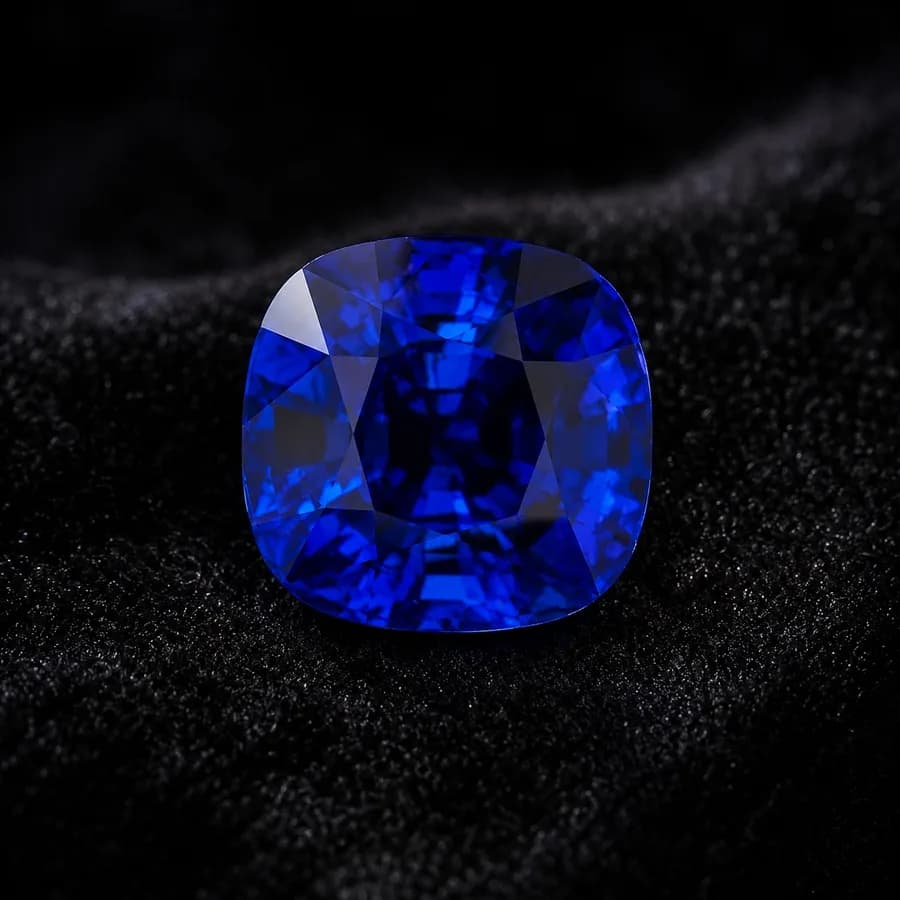
The island's alluvial gravels have yielded sapphires in nearly every colour for many centuries, with the medium, bright blues most closely associated with the name. Sri Lanka remains a historically important origin for fine sapphire, and the Ceylon designation continues to carry weight in the international trade.
Colours
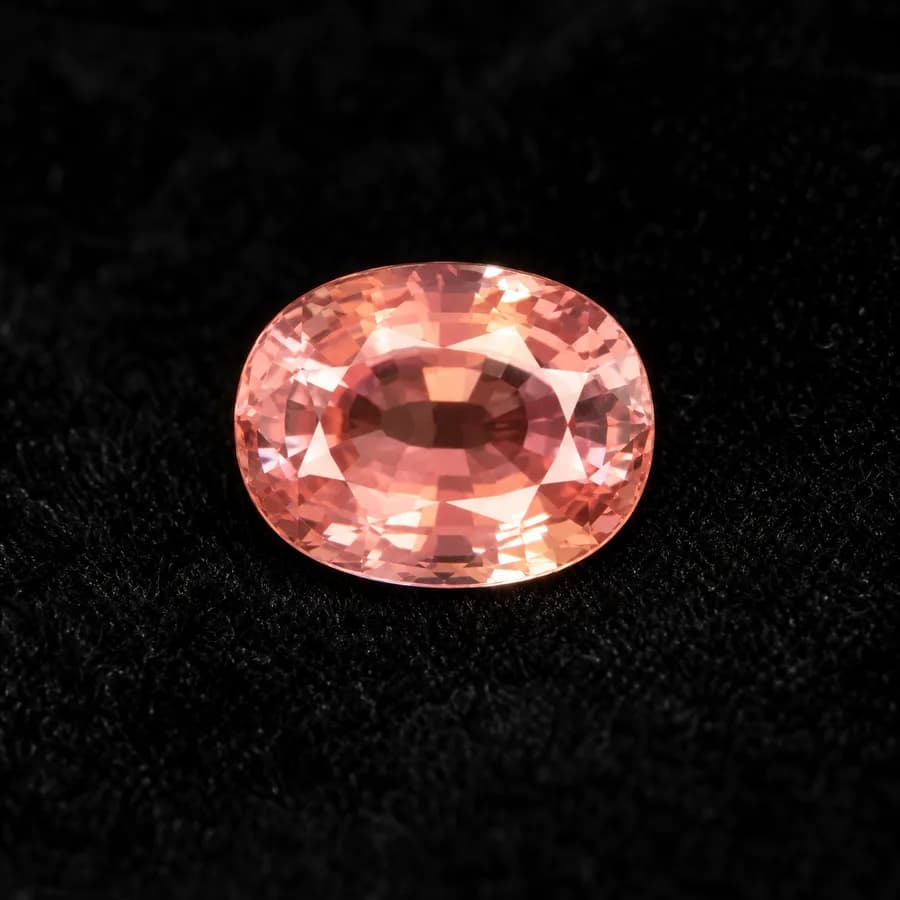
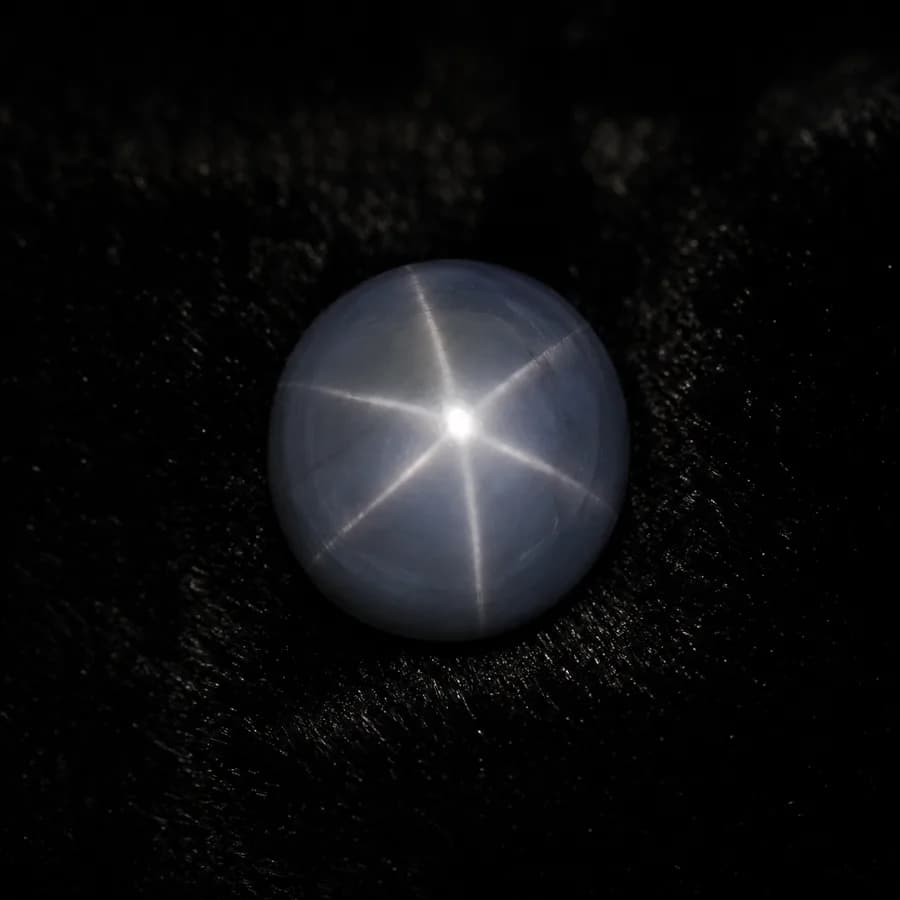
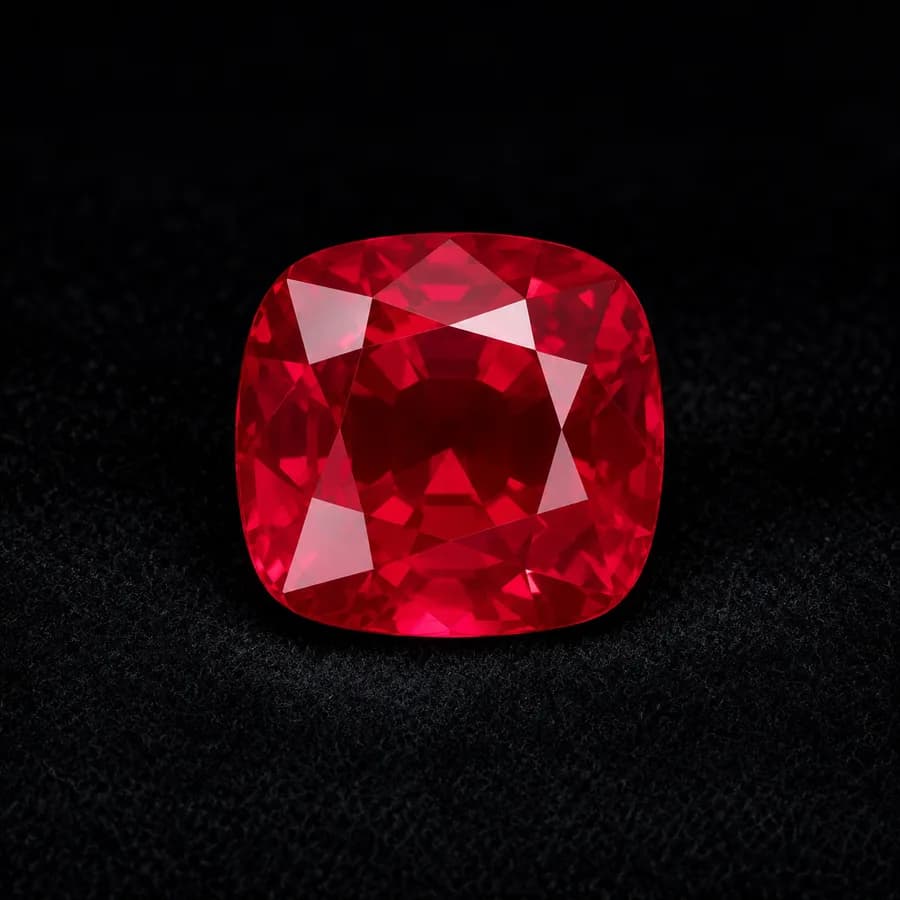
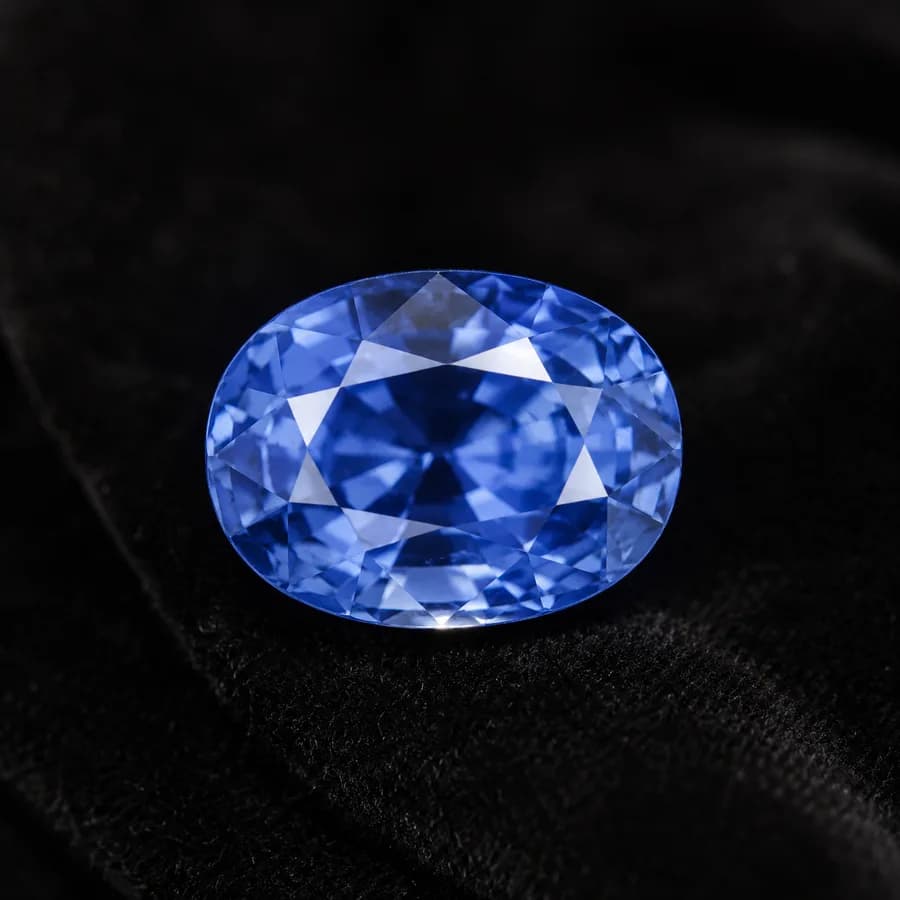
Sapphire from Sri Lanka is celebrated above all for its blues, which are often described in the trade as bright, lively and medium in tone rather than dark or inky. The island also produces the full spectrum of fancy sapphires: pink, yellow, violet, green, colourless and the rare orange-pink padparadscha. Colour in sapphire comes from trace elements within the corundum crystal, iron and titanium produce blue, while chromium contributes pink and red tones. Because Sri Lankan sapphires frequently show lighter, cleaner colour than material from some other origins, they are prized for their brilliance and transparency. Colour preference is ultimately personal, and stones should be judged individually rather than by origin alone.
Quality Factors
Quality in Ceylon sapphire is assessed on colour, clarity, cut and carat weight, with colour usually the dominant factor. The most sought-after blues are vivid and evenly saturated without being overly dark, retaining their liveliness under most lighting. Clarity expectations for sapphire are more forgiving than for diamond, but eye-visible inclusions that affect transparency reduce value. A well-proportioned cut brings out brilliance and avoids windowing, where light passes straight through a shallow stone. For significant purchases, a report from a recognised gemmological laboratory describing the stone's identity, treatments and, where possible, geographic origin is strongly recommended, since origin and treatment status materially affect value.
Treatments
Heating is the most common treatment applied to sapphire worldwide, including Sri Lankan material, and has been practised in the country for a long time. Controlled heating can improve colour and clarity and is generally accepted in the trade when disclosed. Other treatments occur and are treated very differently by the market: lattice (beryllium) diffusion alters colour with an introduced element, and fracture filling improves apparent clarity. Under international trade standards, notably CIBJO's Gemstone Book, one of the Blue Book standards published by the World Jewellery Confederation, treatments should be disclosed at every stage of sale, and consumer-protection law in many jurisdictions separately requires material facts such as treatment to be disclosed. Undisclosed treatment is a serious breach of trade practice. Unheated sapphires with fine colour command a premium, so laboratory confirmation of treatment status matters for any important stone.
CIBJO’s Gemstone Book, one of the Blue Book standards published by the World Jewellery Confederation, calls for every treatment to be disclosed at each sale, and consumer law in many countries separately requires material facts such as treatment to be disclosed. Undisclosed treatment is grounds to walk away, see our guide to heated versus unheated stones.
Origin in Sri Lanka
Sri Lanka's gem deposits are largely secondary, meaning sapphires are recovered from alluvial gravels, known locally as illam, rather than from the host rock in which they formed. Traditional pit and tunnel mining, much of it small-scale and licensed, remains characteristic of the industry. Ratnapura, whose name means City of Gems, is the best-known centre, with further production from areas such as Elahera, Balangoda and Rakwana. The island's long mining history and continuing output have made Ceylon a benchmark origin for sapphire, and laboratories can often support a Sri Lankan origin opinion based on a stone's inclusions and chemistry.
Origin describes where a stone was mined, it is not a grade, and trade terms such as “Ceylon” are origin descriptions, never an automatic premium. A fine stone from elsewhere can outclass a mediocre stone from a famous source; judge colour, clarity, cut and treatment first. Remember also that a laboratory origin determination is an expert opinion based on inclusions and chemistry, not an infallible guarantee, and a seller’s origin claim is not laboratory confirmation. Origin claims belong on the invoice and, for important stones, in a report.
Care
Sapphire is one of the most durable gemstones available, with a Mohs hardness of 9 and no cleavage, making it well suited to everyday jewellery including engagement rings. Clean sapphires with warm soapy water and a soft brush, rinsing thoroughly. Ultrasonic and steam cleaning are generally safe for untreated and heated stones, but should be avoided for fracture-filled sapphires, where the filler can be damaged. Avoid knocking the stone against hard surfaces, since even sapphire can chip on exposed facet edges. Store pieces separately so sapphires do not scratch softer gems in the same box, and have settings checked periodically by a jeweller.
As a Loose Stone
Where It Is Found in Sri Lanka
- Ratnapura
- Elahera
- Balangoda
- Rakwana
Common Treatments at a Glance
- Heating (very common)
- Lattice diffusion (occurs; must be disclosed)
- Fracture filling (occasional; must be disclosed)
All treatments must be disclosed at sale. See our treatment guides and treatment reports.
Ceylon Sapphire: frequently asked questions
What makes a sapphire a Ceylon sapphire?
A Ceylon sapphire is simply a sapphire mined in Sri Lanka, formerly Ceylon. The term describes geographic origin rather than a specific colour or quality grade, although Sri Lankan blues are traditionally associated with bright, medium tones. Origin can only be supported by a gemmological laboratory examination, so ask for a report if origin matters to you.
Are Ceylon sapphires a good investment?
Fine sapphires have a long history of being valued and traded, but gemstones are not a regulated investment and prices depend on quality, treatment status, certification and market demand. Buy a sapphire primarily because you love it, insist on laboratory documentation, and treat any resale potential as uncertain. This is general information, not financial advice.
How can I tell if a Ceylon sapphire is real?
Reliable identification requires laboratory testing. A reputable gemmological laboratory can confirm that a stone is natural corundum, detect synthetics and imitations, identify treatments such as heating or diffusion, and in many cases give an opinion on origin. Visual inspection alone, even by an experienced dealer, is not a substitute for a laboratory report on an important stone.
Is an unheated Ceylon sapphire worth the premium?
Unheated sapphires of fine colour are rarer than heated stones and typically command higher prices, which many buyers consider worthwhile. Whether the premium makes sense depends on your budget and priorities: a well-chosen heated sapphire with full disclosure is a legitimate and often better-value purchase. Always confirm treatment status with a laboratory report.