Sapphire Centre
Heated vs Unheated Sapphire: What Is the Difference?
How heat treatment changes sapphires, how laboratories detect it, why unheated stones carry premiums and what disclosure you should insist on.
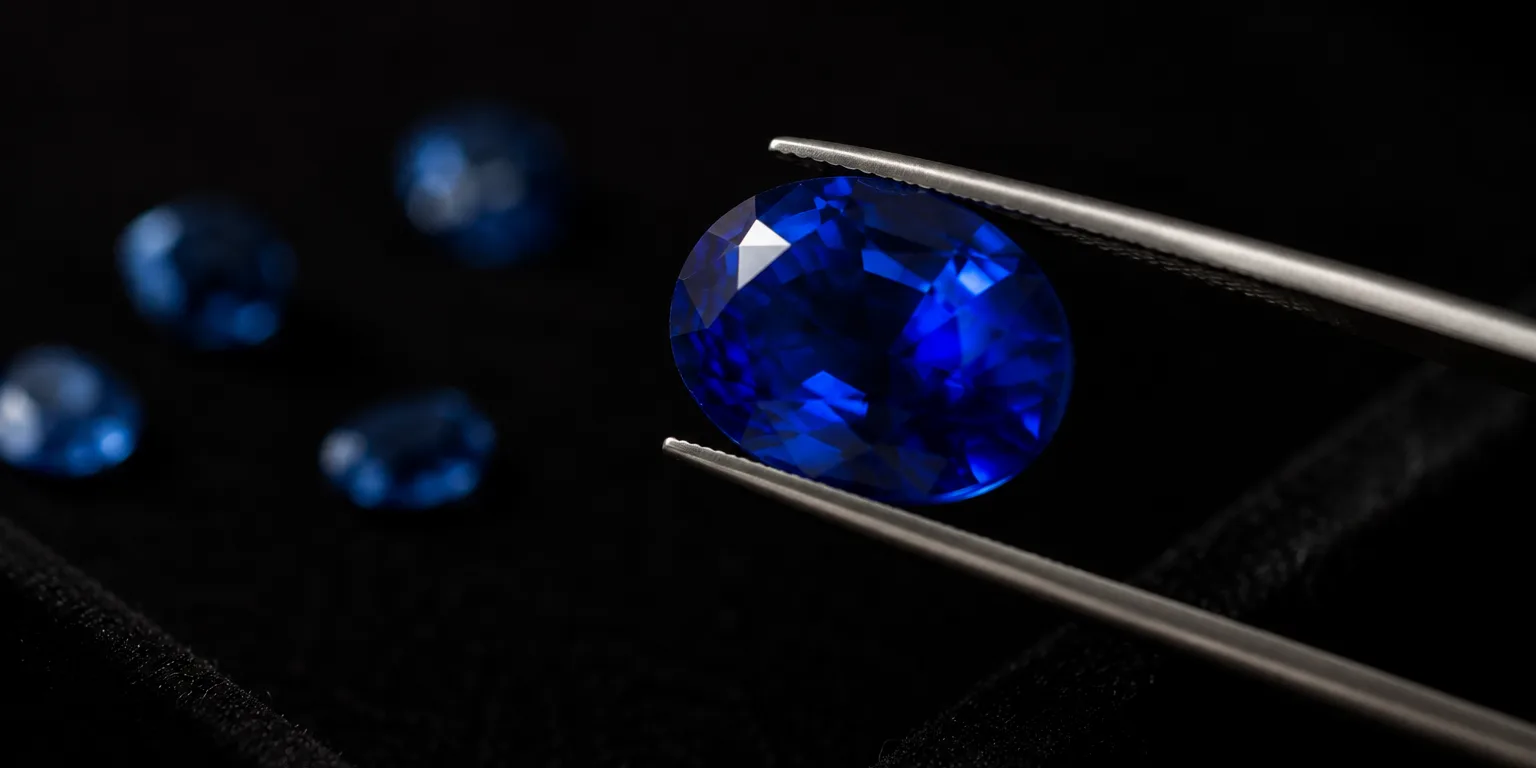
Heating is the traditional treatment of sapphire, using high temperatures to improve colour and clarity; it is stable, permanent and accepted in the trade provided it is disclosed. An unheated sapphire has reached its beauty without any such intervention, and because fine untreated material is rarer, it commands a premium over a comparable heated stone. Only a gemmological laboratory can reliably determine heat status, so 'no heat' claims should always be supported by an independent report.
No question divides sapphire buyers like heat. Heating is the oldest and most widespread treatment in the corundum trade, so normal that its absence, not its presence, is what laboratories certify and collectors pursue. This comparison explains what heating does, how it is detected, and how to decide which side of the divide suits your purchase.
What Heat Treatment Is
Heating exposes sapphire to very high temperatures, typically in specialised furnaces, to improve its appearance. Depending on the starting material, heat can intensify or lighten colour, remove unwanted colour components and improve clarity by dissolving fine silk into the crystal. The practice has a long history in the corundum trade, and the Gems & Gemology field report on Sri Lanka records the island’s recognised expertise in it.
Crucially, ordinary heating adds nothing to the stone. It rearranges what the crystal already contains, and its results are stable and permanent. This distinguishes it from treatments that introduce foreign substances, such as diffusion with beryllium or titanium, or fracture filling with glass, categories the trade treats far more severely.
Geuda: the stone that built an industry
Sri Lanka's place in heat treatment history runs through geuda, the local term for milky, desaturated corundum that shows little beauty as mined. Heated to high temperatures, suitable geuda can turn transparent, saturated blue. Material once considered nearly worthless became commercially important as the technique matured, and the Gems & Gemology field report on Sri Lanka records both the transformation and the island's particular expertise in it. The lesson for buyers is not that heating is suspect; it is that heating is deeply woven into how the modern sapphire supply exists at all, which is exactly why disclosure, not avoidance, is the standard the trade enforces.
What "Unheated" Means
An unheated sapphire left the ground with the colour and clarity it displays today. No furnace, no intervention, only cutting and polishing. Because most rough benefits from heat, fine sapphires that never needed it are a minority, and fine unheated stones are rarer still. That rarity, together with the collector's preference for the untouched, is why unheated stones command premiums over comparable heated material.
How Laboratories Tell the Difference
Heat status is determined by gemmological laboratories, principally from a stone's internal world. Intact, fine rutile silk and undamaged mineral inclusions support an unheated conclusion; partially dissolved silk, stress halos around crystals and other thermal alteration point to heating. Spectroscopic and other analytical methods add further evidence. Detection has limits worth knowing: published heating experiments show that treatment at lower temperatures can leave subtler evidence than the classic high-temperature burn, which is one reason serious laboratories hedge carefully worded conclusions rather than guessing.
The corollary matters to buyers: no dealer's eye, and certainly no buyer's, can settle the question at a counter. A "no heat" claim is only as good as the independent report behind it, see our guide to reading a gem report.
Heated and Unheated Compared
| Heated sapphire | Unheated sapphire | |
|---|---|---|
| Nature of stone | Natural corundum, colour/clarity improved by heat | Natural corundum, untouched apart from cutting |
| Market position | The majority of sapphires on the market | A rarer minority, scarcest at fine quality |
| Price | The market's baseline for each quality level | Premium over a comparable heated stone |
| Stability | Stable and permanent | Stable and permanent |
| Care required | Normal sapphire care | Normal sapphire care |
| Disclosure | Must be disclosed as heated | Status should be confirmed by a laboratory report |
| Best suited to | Buyers prioritising beauty per unit of budget | Collectors and buyers prioritising rarity |
Value and Disclosure
International trade standards, notably CIBJO's Gemstone Book (a Blue Book standard of the World Jewellery Confederation), alongside the codes of trade bodies such as the International Colored Gemstone Association, call for treatments to be disclosed at every point of sale, and consumer law in many jurisdictions separately requires material facts such as treatment to be disclosed. Reputable dealers state heat status on the invoice as a matter of course. The premium for unheated stones makes misrepresentation profitable, which is precisely why documentation matters most at the unheated end of the market. For a significant purchase described as unheated, make the sale conditional on a report from a respected laboratory. The wider pricing context is set out in sapphire price factors.
Which Should You Buy?
There is no wrong answer, only an honest one. A disclosed heated sapphire delivers the most beauty for a given budget and asks nothing in return but accurate paperwork. An unheated sapphire adds rarity, collectability and the quiet satisfaction of an untouched stone, at a premium that only makes sense when independently verified. Decide which of those you are actually paying for, then follow the practical steps in buying a loose sapphire.
Frequently asked questions
Is a heated sapphire still a natural sapphire?
Yes. A heated sapphire is a natural stone whose colour and clarity have been improved by heat. It must be disclosed as heated, but it is entirely distinct from a synthetic sapphire, which is manufactured.
How can anyone tell if a sapphire has been heated?
Through laboratory examination of internal features. Heating alters inclusions in characteristic ways, silk may partially dissolve and crystals may show stress halos, while intact, unaltered inclusions support an unheated conclusion. This is expert work, not something visible to a casual observer.
Is an unheated sapphire more durable than a heated one?
No. Ordinary heating does not weaken sapphire, and both heated and unheated stones share corundum's excellent hardness and toughness. The difference is rarity and price, not durability.
Should I only buy unheated sapphires?
Not necessarily. A disclosed heated sapphire offers fine colour at a more accessible price, while an unheated stone offers rarity and collectability at a premium. Both are legitimate purchases when honestly documented, the mistake is paying an unheated price without an independent report.
Related terms
Sources
- Gemological Institute of America (GIA), Heat treatment of corundum and its detection
- SSEF, Swiss Gemmological Institute, Laboratory criteria for determining heat status
- CIBJO, The World Jewellery Confederation, Disclosure standards for gemstone treatments
- GIA: Sapphire Care and Cleaning Guide, Corundum treatments and their care implications
- Lotus Gemology: Low-temperature heat treatment experiments, Experimental evidence on heat-treatment detection and its limits
- Gems & Gemology (Fall 2014): Sri Lanka expedition, Geuda heating and Sri Lankan heat-treatment expertise
- CIBJO: The Blue Books, Disclosure standards for treatments
External references are provided for verification. Listing a source does not imply affiliation or endorsement.
Seen something that needs correcting? Read how corrections work or contact the editorial team.
Related Guides
Sapphire Centre
What Is a Diffusion-Treated Sapphire?
How titanium and beryllium diffusion treatments colour sapphires, how laboratories detect them, and why disclosure and pricing differ so sharply.
3 min read
Sapphire Centre
What Determines the Price of a Sapphire?
The factors that set sapphire prices, colour, clarity, cut, carat weight, treatment status, origin and documentation, and how they interact.
3 min read
Sapphire Centre
What Are the Inclusions Found in Sapphires?
A guide to sapphire inclusions, silk, crystals, fingerprints and zoning, and how these internal features reveal origin, treatment and authenticity.
3 min read
Sapphire Centre
How Do You Buy a Loose Sapphire?
A practical process for buying a loose sapphire, examining the stone, questioning the seller, verifying claims and securing the right documents.
3 min read