Buying Guides
How to Buy Jewellery in Sri Lanka: A Practical Guide
What to know before buying jewellery in Sri Lanka, gold purity and hallmarks, making charges, gemstone-set pieces, documentation and taking your purchase home.
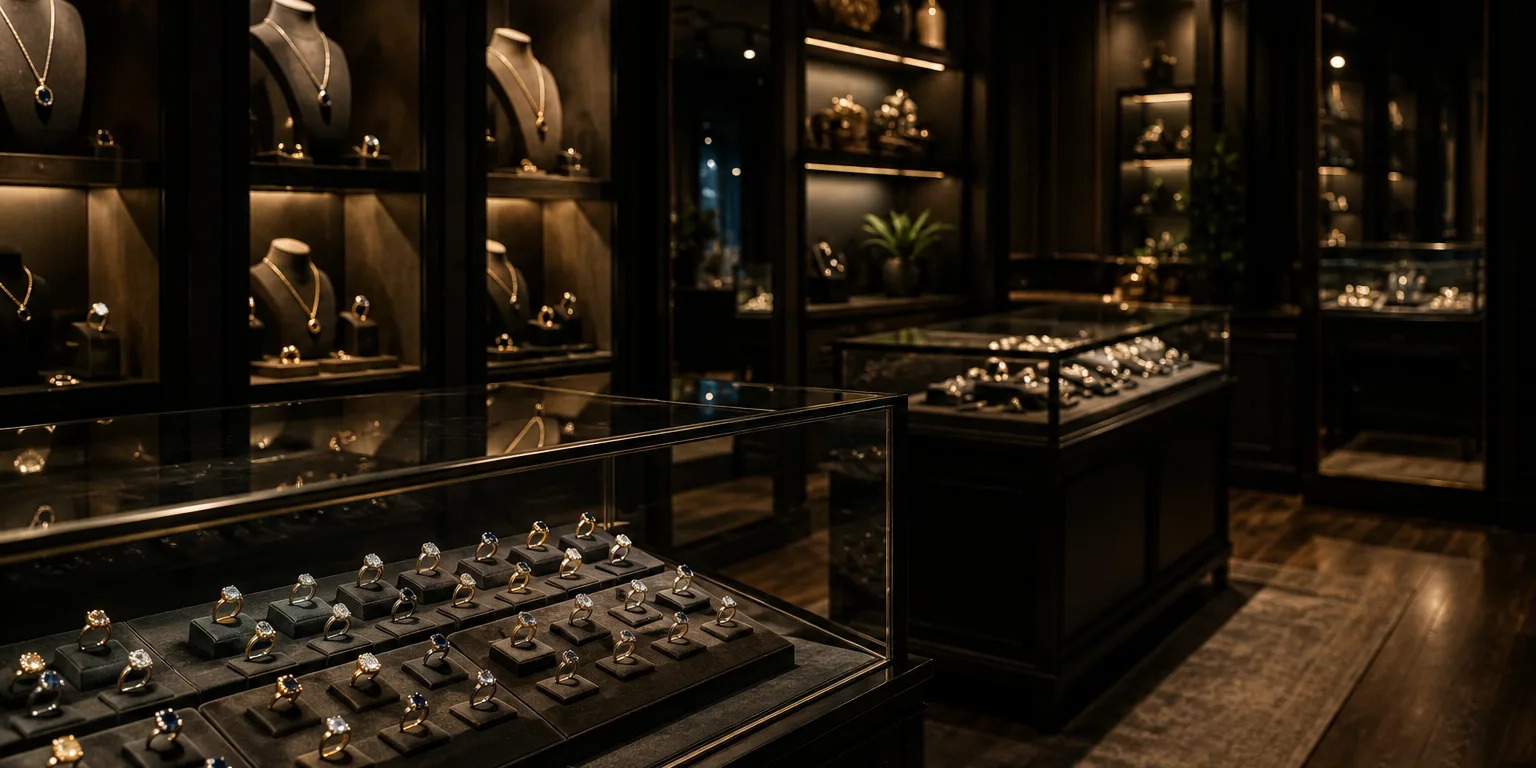
To buy jewellery well in Sri Lanka, decide your budget and purpose first, confirm the metal's karat or fineness in writing, ask how the price splits between metal, stones and making charges, insist on an itemised invoice, and understand return terms and customs requirements before you pay.
Sri Lanka's jewellery trade sits directly on top of one of the world's great gem-producing islands, which makes it an attractive place to buy finished pieces as well as loose stones. It also means the market ranges from long-established workshops to sellers who count on a buyer never checking a claim. This guide covers the questions that matter when the purchase is a finished piece of jewellery rather than a loose gem.
Decide What You Are Buying First
Before entering a shop, decide what the piece is for: daily wear, an occasion, a gift, or a store of value. The answer changes what matters. Daily wear favours durable settings and practical metals; a store of value puts the emphasis on metal weight and fineness rather than design; a gift may put design first.
Set a budget ceiling in advance. Jewellery showrooms are persuasive environments, and a fixed number decided calmly beforehand is the best defence against decisions made under charm or pressure.
Check the Metal: Karat, Fineness and Hallmarks
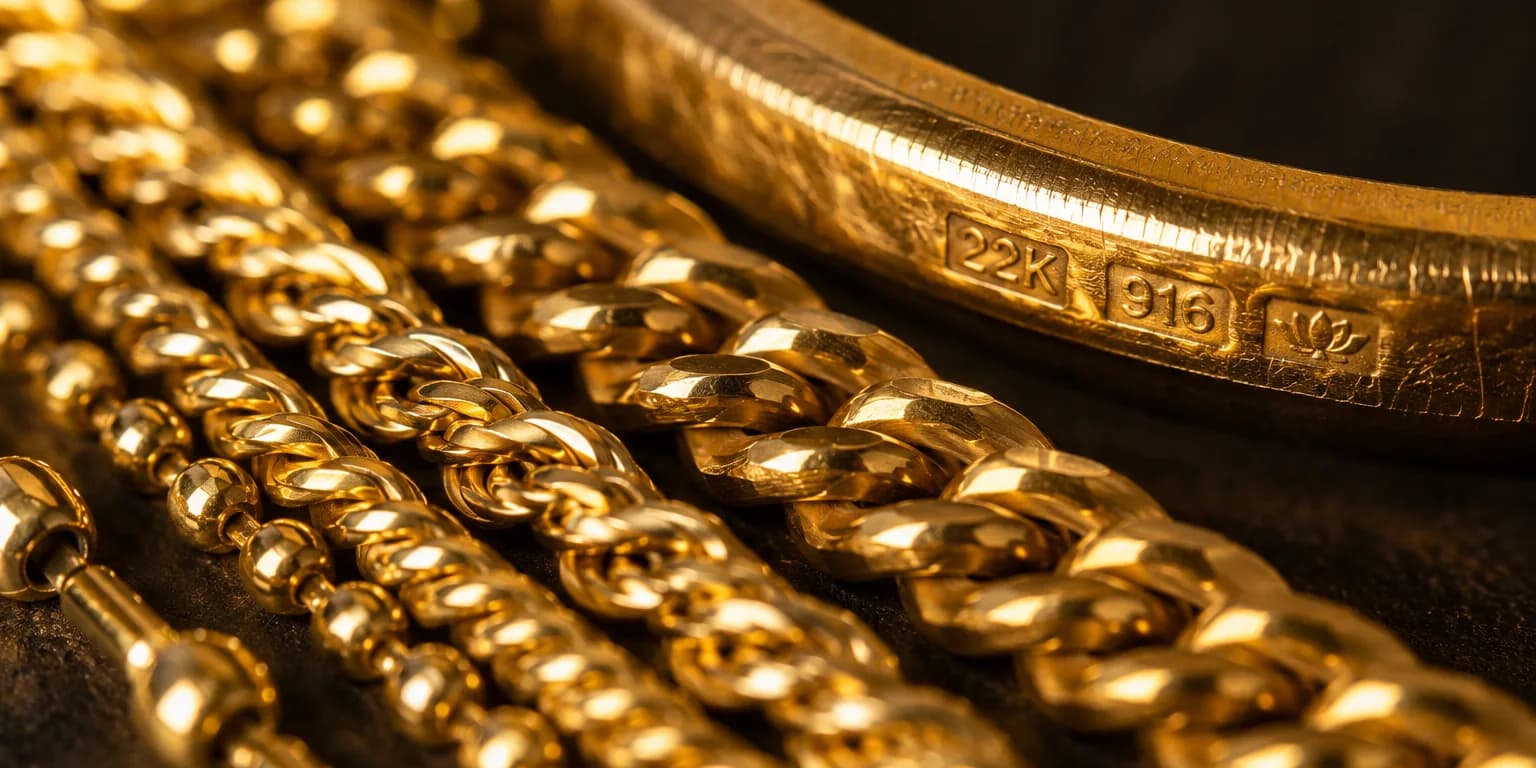
Gold jewellery is described by karat or fineness, two ways of stating how much of the metal is actually gold. Ask which standard the piece is made to and have it written on the invoice. Look at the piece for a purity stamp, and read our guide to gold hallmarks to understand what markings can and cannot tell you.
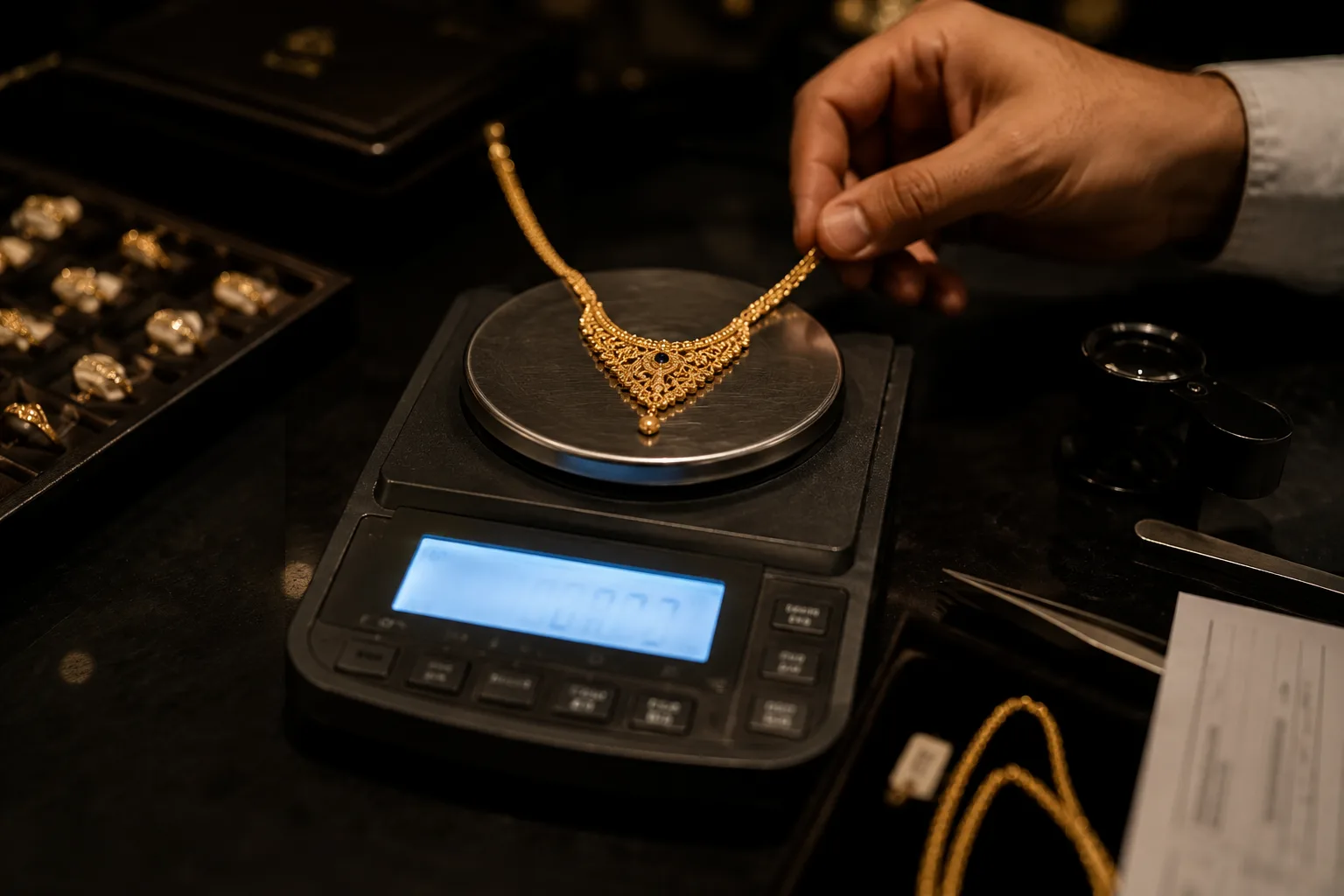
Ask for the piece to be weighed in front of you. Metal weight multiplied by purity is the foundation of a gold price, and a seller who hesitates over a scale is telling you something.
Understand How the Price Is Built
A finished piece has three price components: the metal, the stones, and the workmanship. The workmanship element is usually called the making charge, and how it is calculated varies between businesses. Ask for the split explicitly, our guide to making charges explains the common methods.
A price given only as a single round number is difficult to compare and easy to inflate. A seller who can break the figure down credibly has, at minimum, thought about justifying it.
Gem-Set Jewellery Needs Gem Disclosure
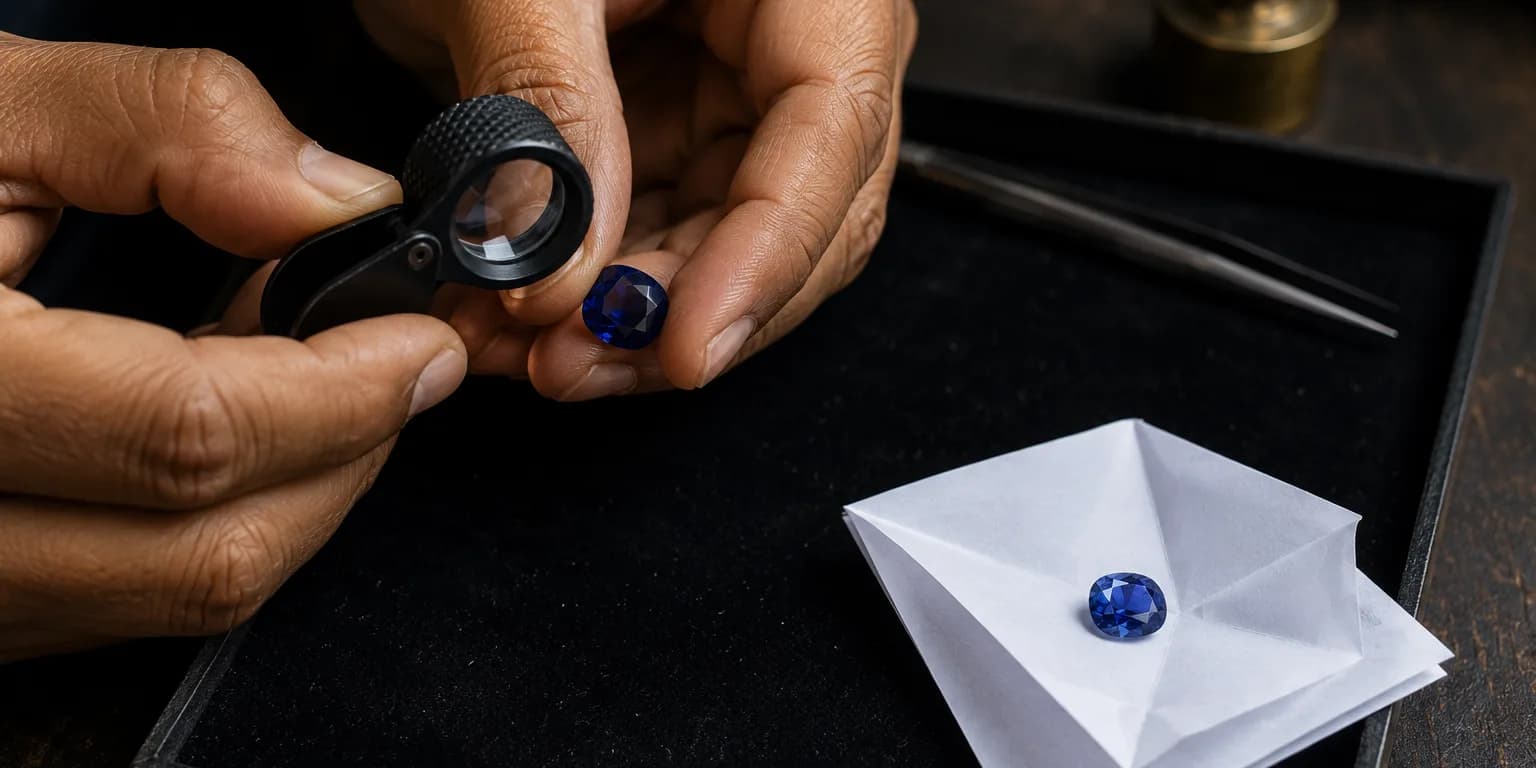
A sapphire does not stop needing disclosure because it is mounted in a ring. For every significant stone, ask whether it is natural or synthetic and whether it has been treated, and have the answers written on the invoice. Mounted stones are harder to examine and weigh than loose ones, which is precisely why sellers of misdescribed stones prefer to sell them mounted.
For an important piece, consider asking whether the principal stone can be verified independently. The principles in our guide to buying gemstones in Sri Lanka apply in full.
Paperwork, Returns and Taking It Home
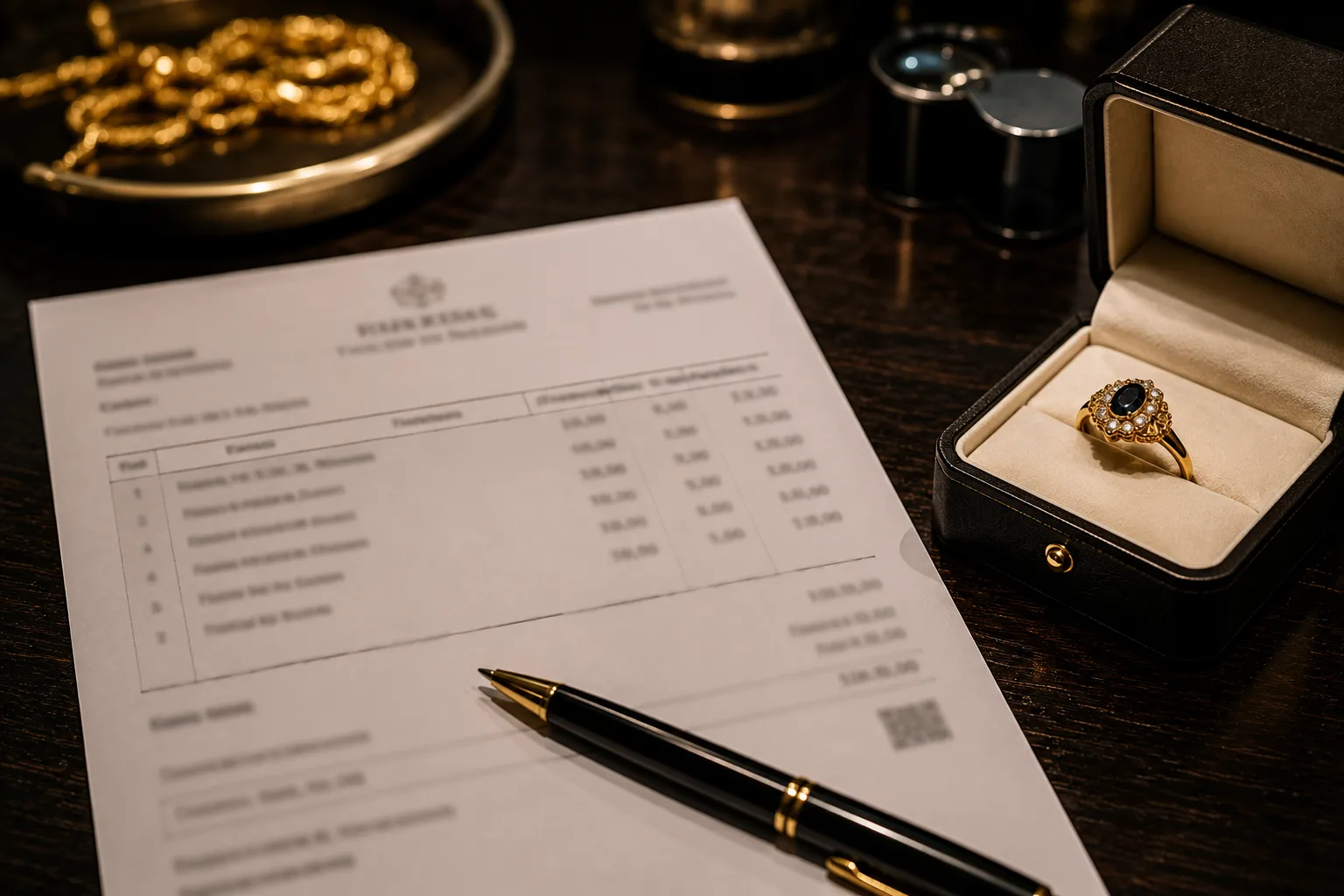
Insist on an itemised invoice recording the seller's details, the metal and fineness, the weight, each stone's identity and treatment status, and the price. Agree return terms in writing before paying; practices vary widely, and our guide to jewellery refunds and returns explains what to pin down.
If you are travelling, keep all documents together and check the current requirements of Sri Lanka and your destination with official sources before you fly. Our guide to taking jewellery through customs covers the general process.
Before You Pay
Run through a final check: metal fineness in writing, weight confirmed on a scale, stones disclosed, price broken down, return terms agreed, and every claim you relied on recorded on the invoice. The interactive Jewellery Purchase Checker turns this into a step-by-step list you can use at the counter.
Frequently asked questions
Is jewellery cheaper in Sri Lanka than elsewhere?
It can be competitive, particularly for gem-set pieces made close to the source of the stones, but there is no guarantee. Compare like with like, the same metal fineness, stone quality and workmanship, rather than assuming any destination is automatically cheaper.
How do I know the gold purity of jewellery in Sri Lanka?
Ask for the karat or fineness in writing on the invoice and look for any hallmark or purity stamp on the piece itself. For significant purchases, independent assay or testing is the strongest confirmation.
What should a jewellery invoice in Sri Lanka include?
The seller's full business details, a description of the piece, the metal and its stated fineness, the weight, each stone's identity and treatment status, the making charge if itemised, the total price and the return terms.
What should I know about returns before paying for jewellery in Sri Lanka?
Return practices vary from business to business. Agree the terms in writing before paying, including any time limit, deductions and whether you receive a refund, exchange or credit note.
Related terms
Sources
- National Gem and Jewellery Authority of Sri Lanka (NGJA), Industry regulation of the Sri Lankan gem and jewellery trade
- CIBJO, The World Jewellery Confederation, International disclosure standards for precious metals and gemstones
- Gemological Institute of America (GIA), Gemological terminology for gem-set jewellery
External references are provided for verification. Listing a source does not imply affiliation or endorsement.
Seen something that needs correcting? Read how corrections work or contact the editorial team.
Related Guides
Buying Guides
How to Buy Gemstones in Sri Lanka Safely and Confidently
A complete guide for tourists, collectors and investors: what to look for, what to ask, what to avoid and how to protect a gemstone purchase in Sri Lanka.
5 min read
Buying Guides
Jewellery Refunds and Returns: What Should You Agree Before Paying?
Refund and return practices for jewellery vary widely between sellers, what to agree in writing before paying, and how to handle a dispute if one arises.
3 min read
Buying Guides
What Questions Should You Ask a Jeweller Before Buying?
Twelve practical questions to ask a jeweller before you buy, covering stones, metal, price breakdown, paperwork and returns, and how to judge the answers.
3 min read
Gold & Metals
What Are Gold Hallmarks and How Do You Read Them?
What gold hallmarks are, how independent assay marks differ from a maker's purity stamp, how regimes vary by country, and what Sri Lankan buyers should check.
2 min read