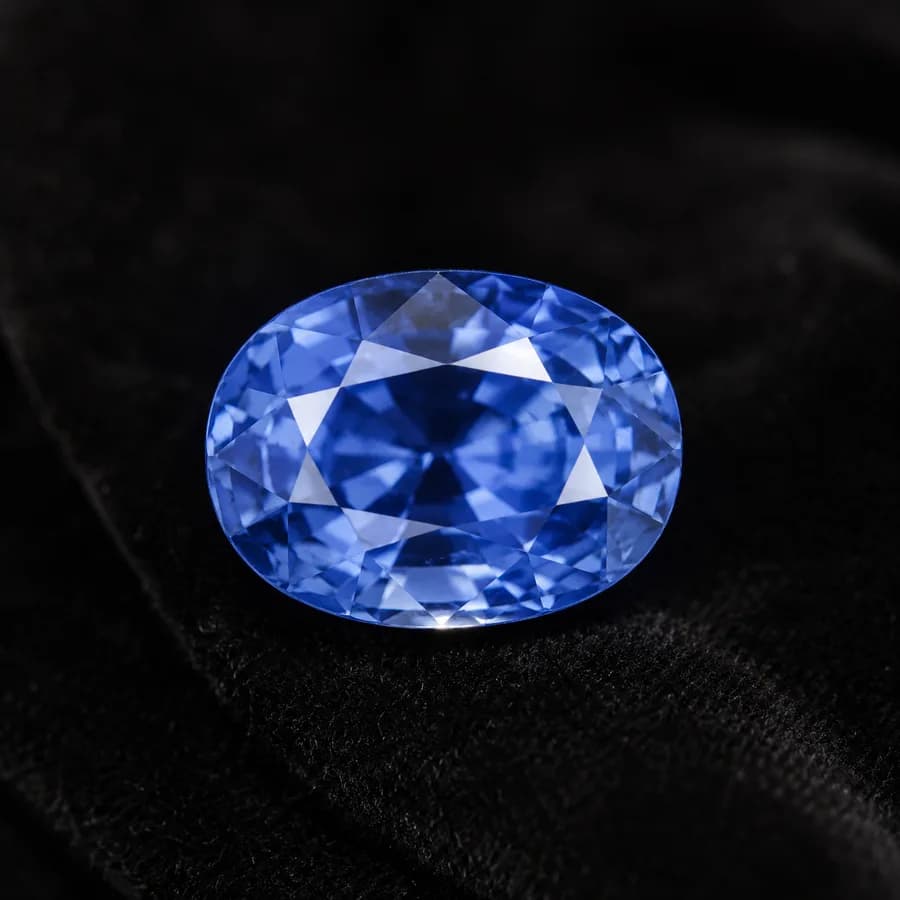
Padparadscha Sapphire
The lotus-hued sapphire found almost nowhere else
Also known as: Padmaraga
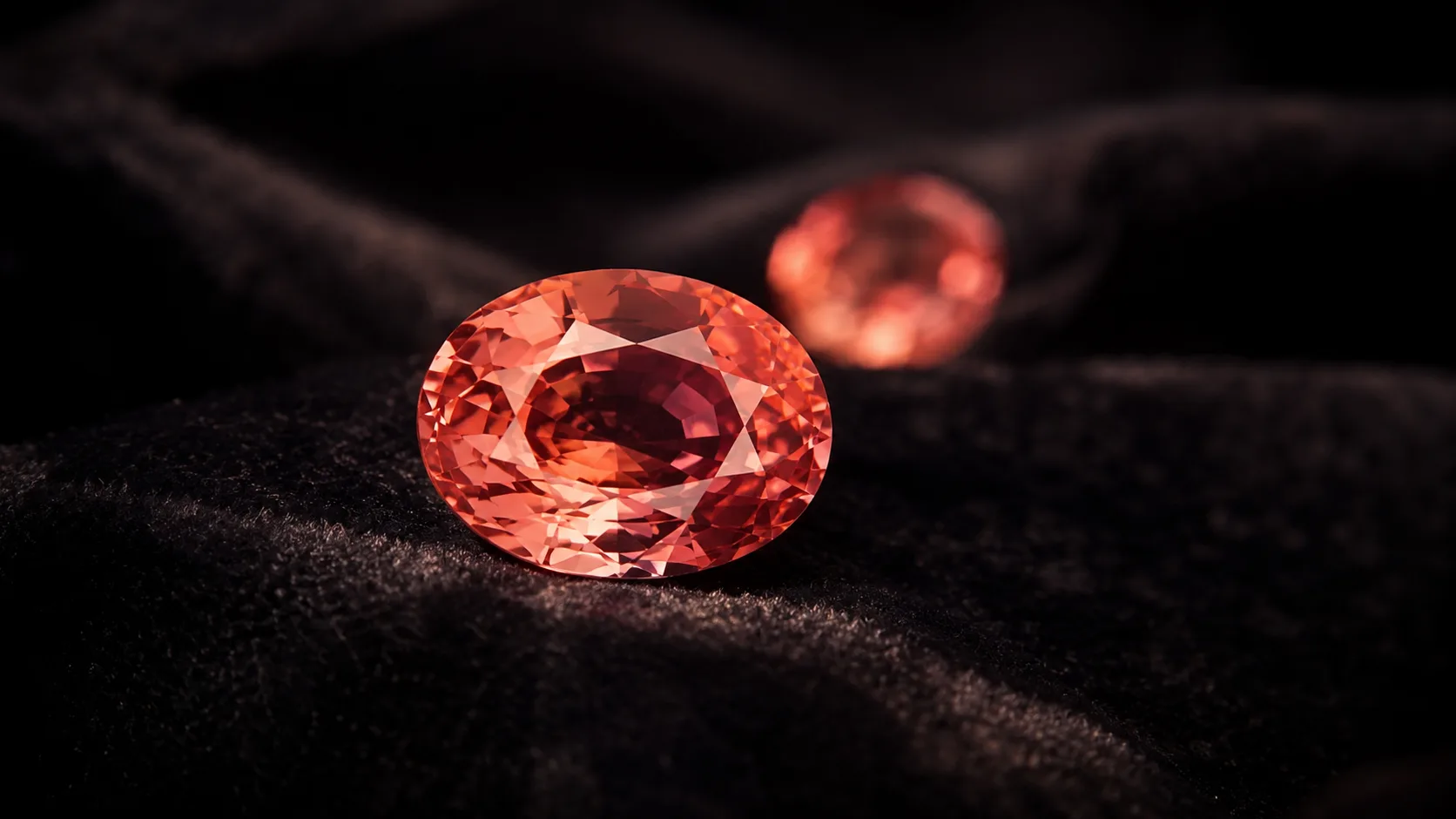
Padparadscha is a rare variety of sapphire showing a delicate blend of pink and orange, traditionally likened to the colour of a lotus blossom. The name derives from a Sinhala and Sanskrit word for the lotus, and Sri Lanka is the origin most closely associated with the gem.
Updated:
Natural Beauty
From Sri Lanka
Durability
Mohs 9
Treatments
Heating (occurs; must be disclosed)
Overview
Genuine padparadscha is among the most sought-after of all sapphires, and its subtle colour makes careful laboratory grading especially important.
Colours
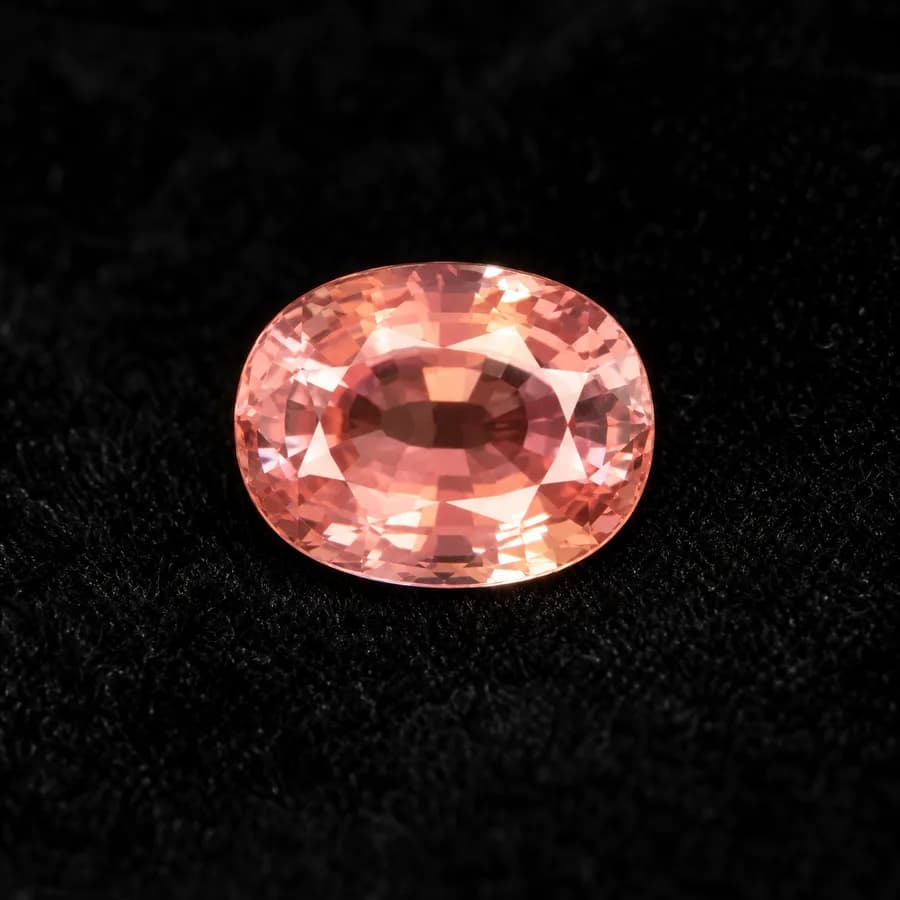
The defining feature of padparadscha is a subtle mixture of pink and orange in one stone, neither a pure pink sapphire nor a pure orange one. Descriptions in the trade range from soft salmon and sunset hues to more saturated pinkish orange. There is no single universal boundary for the colour, and different laboratories apply slightly different criteria, which is why the naming on a laboratory report matters commercially. Stones that are too strongly pink, too brownish or too orange are classified as fancy sapphires instead. The most admired examples show a gentle, pastel balance of both hues with good transparency, a look that has become closely identified with Sri Lankan material.
Quality Factors
Because the padparadscha designation itself carries a premium, quality assessment starts with whether a recognised laboratory will call the stone padparadscha at all. Within that, the balance and delicacy of the pink-orange blend, evenness of colour, transparency and cut quality drive desirability. Eye-clean stones are preferred, though minor inclusions are tolerated in rarer colours. Larger fine examples are genuinely scarce, so size adds value quickly. Buyers should be cautious with stones sold as padparadscha without documentation, since pink or orange sapphires and treated stones are sometimes offered under the name. A report from an internationally recognised laboratory stating the variety and treatment status is essential for this gem.
Treatments
Treatment questions are particularly sensitive for padparadscha. Gentle heating occurs and, when disclosed, is accepted by parts of the trade, although unheated stones are strongly preferred and priced accordingly. The most serious issue is beryllium lattice diffusion, which can create padparadscha-like orange-pink colours in ordinary corundum; such stones must be described as diffusion treated and are valued far below natural-colour padparadscha. Some pink-orange sapphires can also show colour instability, and laboratories may test for this. Under international trade standards, notably CIBJO's Gemstone Book, one of the Blue Book standards published by the World Jewellery Confederation, treatments should be disclosed at every stage of sale, and consumer-protection law in many jurisdictions separately requires material facts such as treatment to be disclosed. Given how much the name and the treatment status affect price, laboratory verification is not optional for this variety, it is fundamental.
CIBJO’s Gemstone Book, one of the Blue Book standards published by the World Jewellery Confederation, calls for every treatment to be disclosed at each sale, and consumer law in many countries separately requires material facts such as treatment to be disclosed. Undisclosed treatment is grounds to walk away, see our guide to heated versus unheated stones.
Origin in Sri Lanka
Sri Lanka is the classic and most celebrated origin for padparadscha, with stones recovered from the island's alluvial gem gravels in districts such as Ratnapura and Balangoda. The gem's name reflects this heritage, deriving from words for the lotus flower in the languages of the region. Pink-orange sapphires have also been reported from other sources, including Madagascar and East Africa, and the trade debates how origin should interact with the padparadscha name. Laboratories form origin opinions from inclusions and chemistry where possible. For many collectors, a Sri Lankan origin opinion together with natural colour represents the most traditional and desirable combination.
Origin describes where a stone was mined, it is not a grade, and trade terms such as “Ceylon” are origin descriptions, never an automatic premium. A fine stone from elsewhere can outclass a mediocre stone from a famous source; judge colour, clarity, cut and treatment first. Remember also that a laboratory origin determination is an expert opinion based on inclusions and chemistry, not an infallible guarantee, and a seller’s origin claim is not laboratory confirmation. Origin claims belong on the invoice and, for important stones, in a report.
Care
As corundum, padparadscha has a hardness of 9 and excellent toughness, so it wears well in rings and other daily jewellery. Its pastel colour shows dirt readily, so regular gentle cleaning with warm soapy water and a soft brush keeps the stone lively. Ultrasonic cleaning is generally safe for untreated and heated stones, but if the treatment status is uncertain, stick to hand washing. Avoid prolonged intense heat and strong chemicals as a general precaution. Because the colour is delicate, some owners prefer settings that protect the stone while letting plenty of light through. Have prongs and settings inspected periodically by a jeweller.
As a Loose Stone
Where It Is Found in Sri Lanka
- Ratnapura
- Balangoda
Common Treatments at a Glance
- Heating (occurs; must be disclosed)
- Beryllium diffusion (a known concern; must be disclosed)
All treatments must be disclosed at sale. See our treatment guides and treatment reports.
Padparadscha Sapphire: frequently asked questions
What colour qualifies as padparadscha?
Padparadscha is defined as a sapphire showing a subtle blend of pink and orange, often described as lotus-like or sunset-like. There is no single universal standard, and laboratories differ slightly in where they draw the line, so the variety name on a recognised laboratory report is what carries commercial weight.
Why are padparadscha sapphires so expensive?
Genuine padparadscha combines the durability and prestige of sapphire with a colour that occurs only rarely in nature, and fine unheated examples are scarcer still. Rarity, strong demand and the close association with Sri Lanka all support prices. As with any gem, value depends on the individual stone and its documentation.
How can I be sure a padparadscha is genuine and untreated?
Only a recognised gemmological laboratory can confirm that a stone is natural corundum, that its colour qualifies as padparadscha under that laboratory's criteria, and that it is free of treatments such as beryllium diffusion. Insist on a current laboratory report before purchasing, particularly given the premium the name commands.
Is padparadscha a good investment?
Fine padparadscha sapphires are rare and highly sought after, but gemstones are illiquid and unregulated as investments, and resale outcomes are uncertain. Buy on the basis of beauty, rarity and solid laboratory documentation rather than expected returns. This is general information, not financial advice.