Sapphire Centre
What Is a Sapphire Origin Report?
How laboratories form opinions on where a sapphire was mined, why origin conclusions are opinions rather than guarantees, and how to use them when buying.
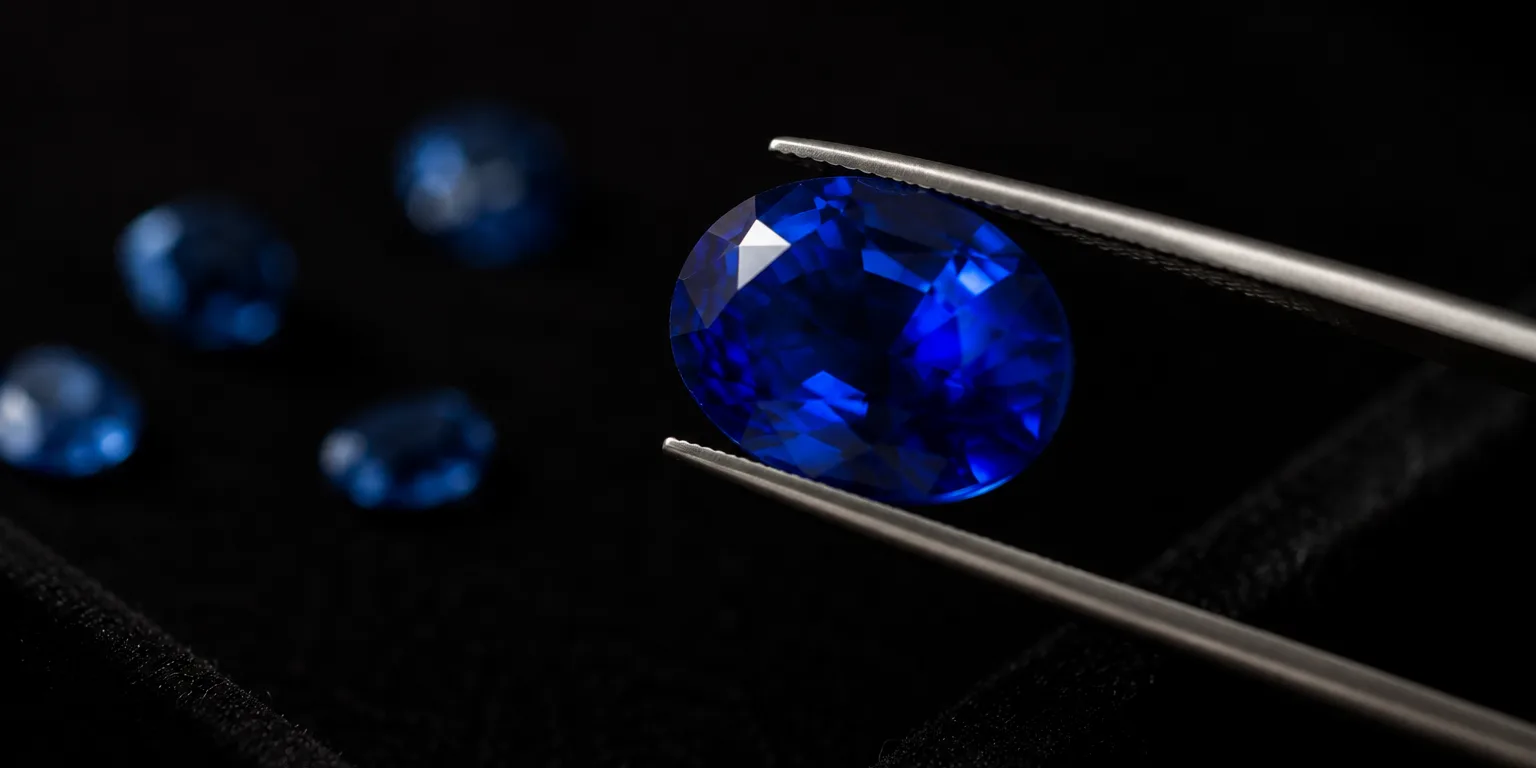
A sapphire origin report is a document in which a gemmological laboratory gives its professional opinion on the country where a stone was mined, based on its inclusions, trace-element chemistry and spectroscopic data. It is an expert opinion, not a guarantee, laboratories can and occasionally do disagree, and it matters commercially because origins such as Ceylon, Kashmir and Burma carry price premiums at the fine end of the market.
At the fine end of the sapphire market, a single word on a laboratory document, Ceylon, Kashmir, Burma, can move a stone's value substantially. That price effect makes origin reports among the most consequential papers in the gem trade, and among the most misunderstood. This guide explains what an origin report is, how the opinion inside it is formed, and how a careful buyer should use one.
What an Origin Report Is
An origin report is issued by a gemmological laboratory and states, alongside the stone's identity and treatment status, the laboratory's opinion of the country in which the stone was mined. Only a minority of laboratories offer origin opinions for coloured stones, because the work requires reference collections and analytical capability accumulated over decades. The general anatomy of these documents is covered in our guide to origin reports and the interactive certificate explainer.
How Laboratories Determine Origin
Geology writes a signature inside every sapphire. Stones from different deposits grew in different rock environments, and those environments leave evidence: characteristic suites of inclusions, distinctive trace-element chemistry, and spectroscopic features. Laboratories read this evidence under the microscope and with analytical instruments, then compare it against reference stones collected from documented mining localities.
When the evidence aligns clearly with one source, the laboratory states that origin. When it does not, because the stone is too clean, or its features overlap between deposits, an honest report says so, sometimes offering no origin opinion at all. That restraint is a mark of quality, not weakness.
Why Origin Is an Opinion, Not a Fact
No one witnessed the stone leave the ground, and geology does not respect borders: deposits in different countries formed in similar environments can produce stones with overlapping internal evidence. Origin determination is therefore expert inference, and respected laboratories present their conclusions as opinions. It follows, uncomfortably but honestly, that two excellent laboratories can disagree about the same stone, which is why important stones sometimes travel to more than one laboratory before sale.
For buyers, the practical rule is proportion: treat a supported origin opinion as strong evidence, treat an unsupported origin claim as marketing, and never treat either as certainty.
When Origin Matters to Value
Origin premiums are concentrated where rarity, quality and romance intersect. For fine sapphires, a respected laboratory's opinion of a storied origin adds genuine market value; for ordinary commercial stones, it adds little beyond the cost of the report. Origin also never rescues a mediocre stone, the market prices colour, clarity, cut and carat first and provenance second. If you are weighing a "Ceylon" label specifically, begin with what a Ceylon sapphire actually is.
Using an Origin Report When Buying
Handle the document with the same care as the stone. Confirm the report comes from a laboratory independent of the seller. Match its stated weight, measurements and description against the stone in front of you, a report is only meaningful when it demonstrably belongs to that stone. Use the laboratory's online verification service where one exists, and be sceptical of photocopies, damaged documents or reports whose details almost match.
Finally, put origin in its place within the purchase. Insist that any origin claim influencing the price appears on the invoice, and for significant stones make the sale conditional on laboratory confirmation. The wider process, questions, comparisons and documentation, is set out in buying a loose sapphire.
Frequently asked questions
Is a sapphire origin report a guarantee of where the stone was mined?
No. It is a considered professional opinion based on the best available evidence, inclusions, chemistry and spectroscopy compared against reference collections. Reputable laboratories present it as an opinion, and buyers should weigh it as one.
Can two laboratories disagree about a sapphire's origin?
Yes, and it happens with well-known laboratories acting in good faith. Deposits in different countries can share similar geology, so their stones can carry overlapping internal evidence. Important stones are sometimes submitted to more than one laboratory for that reason.
Does every sapphire need an origin report?
No. Origin premiums concentrate at the fine end of the market. For modest stones, a standard identification report confirming natural origin and treatment status is usually the sensible level of documentation.
How do I check that an origin report belongs to the stone I am buying?
Match the report's carat weight, measurements, shape and cut description against the stone itself, and use the laboratory's own verification service where offered to confirm the document is genuine.
Related terms
Sources
- Gübelin Gem Lab, Methodology and limits of country-of-origin determination
- SSEF, Swiss Gemmological Institute, Laboratory practice on origin opinions for corundum
- Gemological Institute of America (GIA), Origin research and reporting conventions
- SSEF: Sapphire, Origin determination methodology
- Gems & Gemology (Fall 2014): Sri Lanka expedition, Sri Lankan origin context
External references are provided for verification. Listing a source does not imply affiliation or endorsement.
Seen something that needs correcting? Read how corrections work or contact the editorial team.
Related Guides
Sapphire Centre
What Is a Ceylon Sapphire?
What a Ceylon sapphire actually is, where Sri Lankan sapphires are mined, how laboratories assess origin and why the name alone never guarantees quality.
3 min read
Sapphire Centre
What Are the Inclusions Found in Sapphires?
A guide to sapphire inclusions, silk, crystals, fingerprints and zoning, and how these internal features reveal origin, treatment and authenticity.
3 min read
Sapphire Centre
What Determines the Price of a Sapphire?
The factors that set sapphire prices, colour, clarity, cut, carat weight, treatment status, origin and documentation, and how they interact.
3 min read
Sapphire Centre
How Do You Buy a Loose Sapphire?
A practical process for buying a loose sapphire, examining the stone, questioning the seller, verifying claims and securing the right documents.
3 min read