Buying Guides
How to Buy a Sapphire: What Actually Determines Quality
How to buy a sapphire with confidence, judging colour, clarity, cut and weight, understanding heat treatment and origin claims, and using laboratory reports.
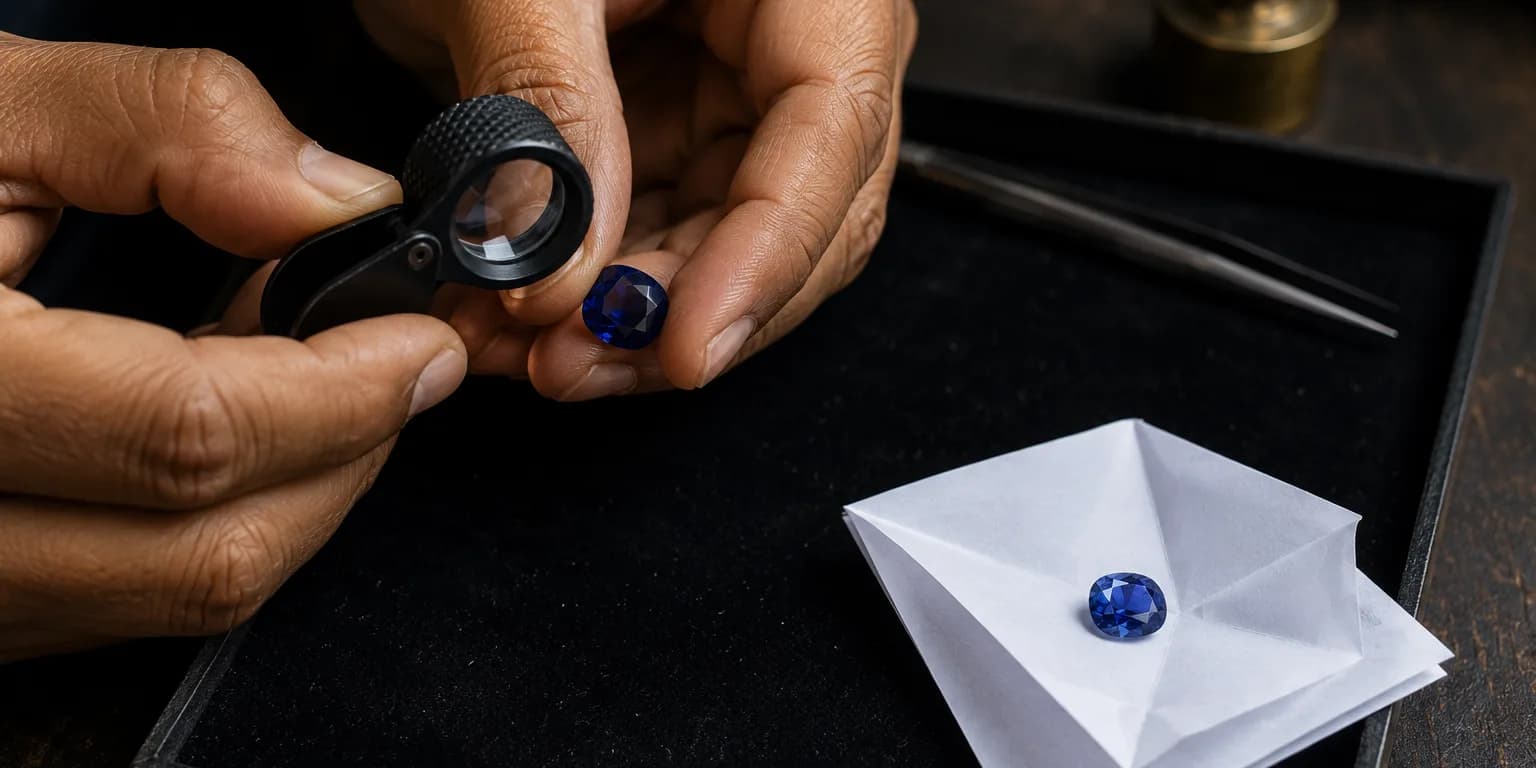
To buy a sapphire well, judge colour first, in daylight as well as shop light, then clarity, cut and carat weight; ask in writing whether the stone is natural and whether it has been heated or otherwise treated; treat origin claims as statements that need laboratory support; and obtain an independent gem report for any significant purchase.
Sapphire is Sri Lanka's signature stone and the reason many buyers come to the island at all. It is also a gem where prices for stones of the same weight can differ many times over, so knowing what actually drives quality is the difference between buying well and buying a story. This guide sets out the factors in the order they matter.
Colour Comes First
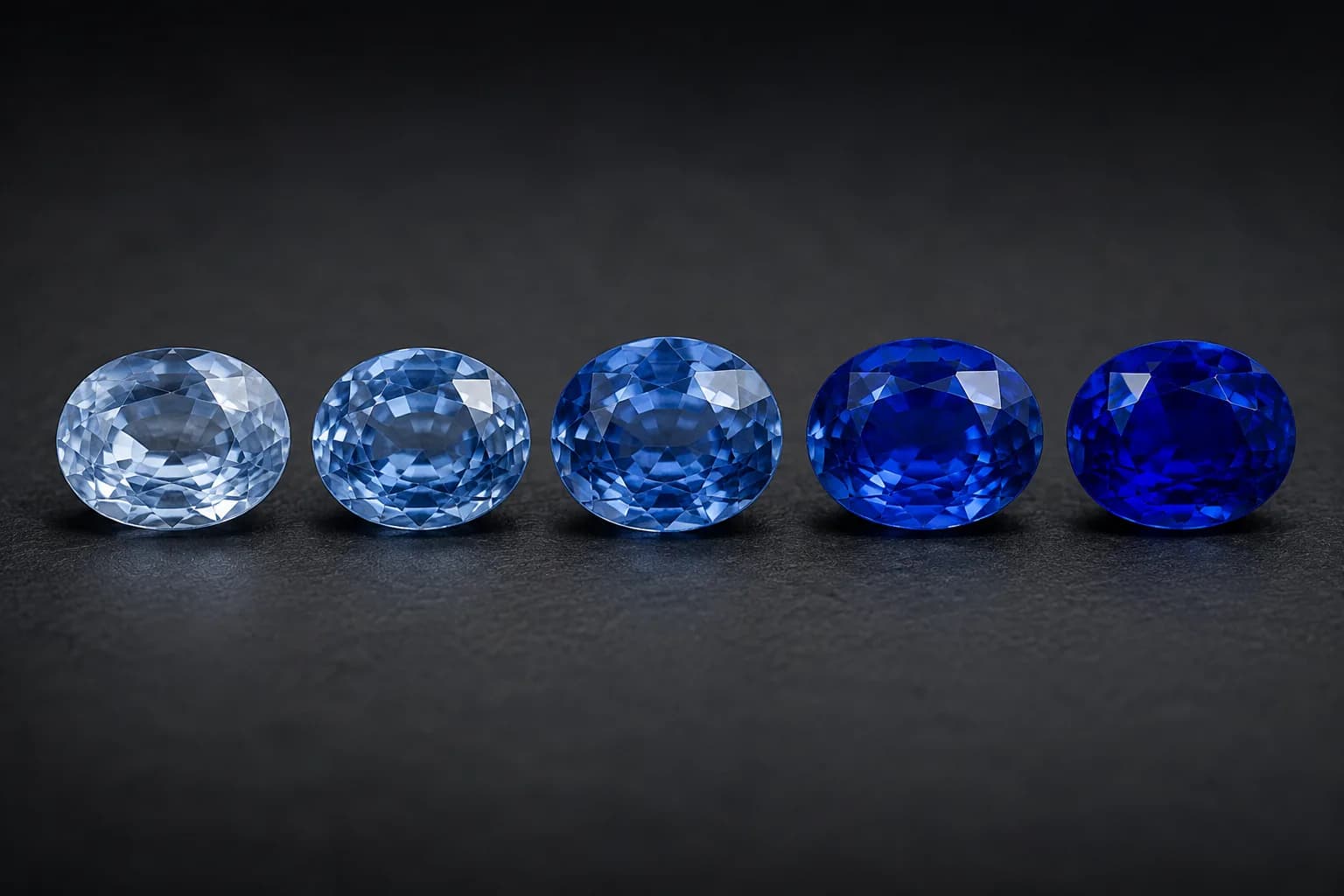
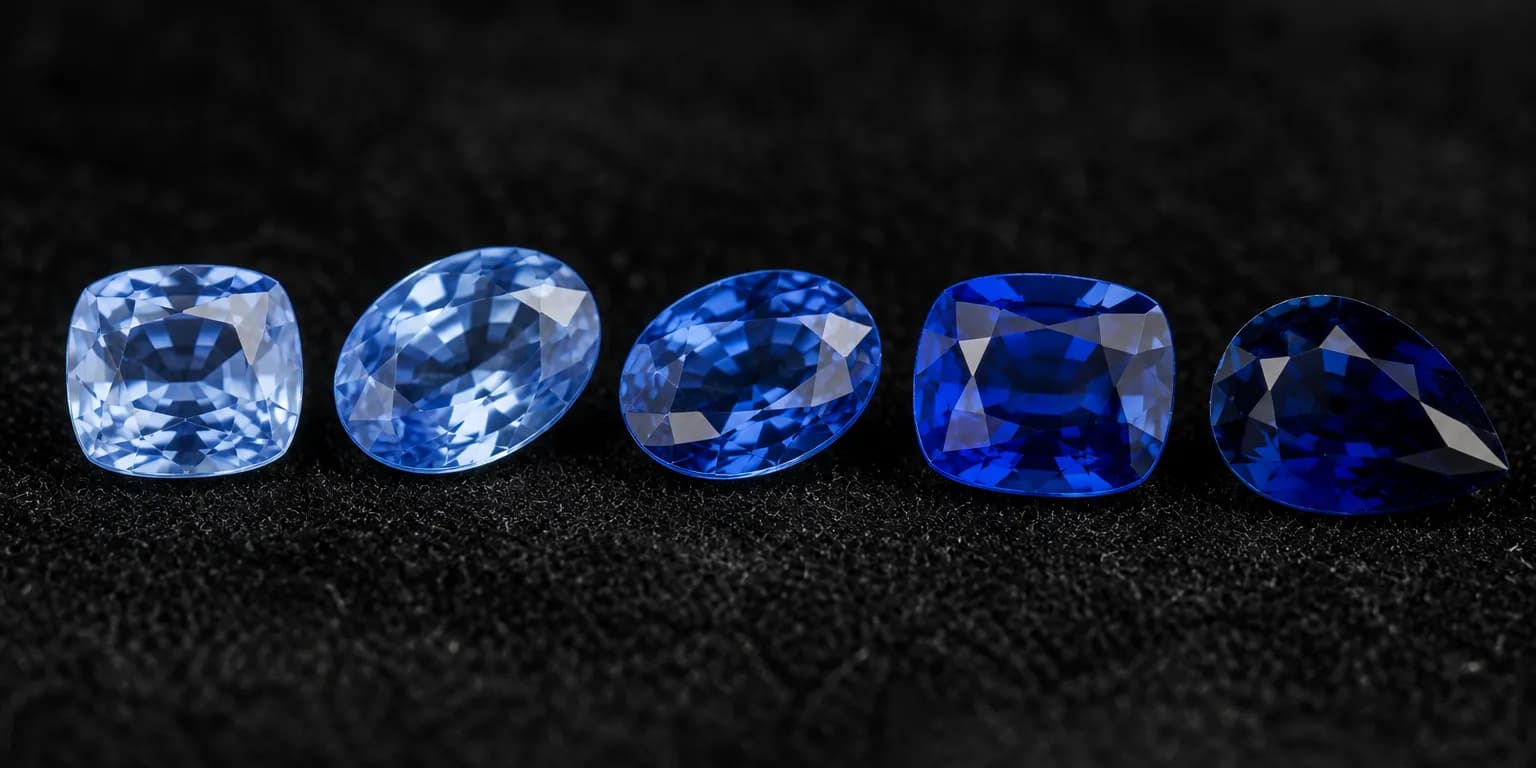
In sapphire, colour does most of the work of value. Three things are being judged at once: the hue (blue, but also pink, yellow, padparadscha and others), the saturation (how vivid the colour is, without drifting to inky darkness), and the evenness of colour across the stone.
Two habits protect you. First, view the stone in daylight, near a window or outside the shop's spotlights, because sapphires can shift character between light sources. Second, look at the stone face-up on a neutral background rather than cupped in a palm or on black velvet, both of which flatter weak colour.
Clarity, Cut and Carat
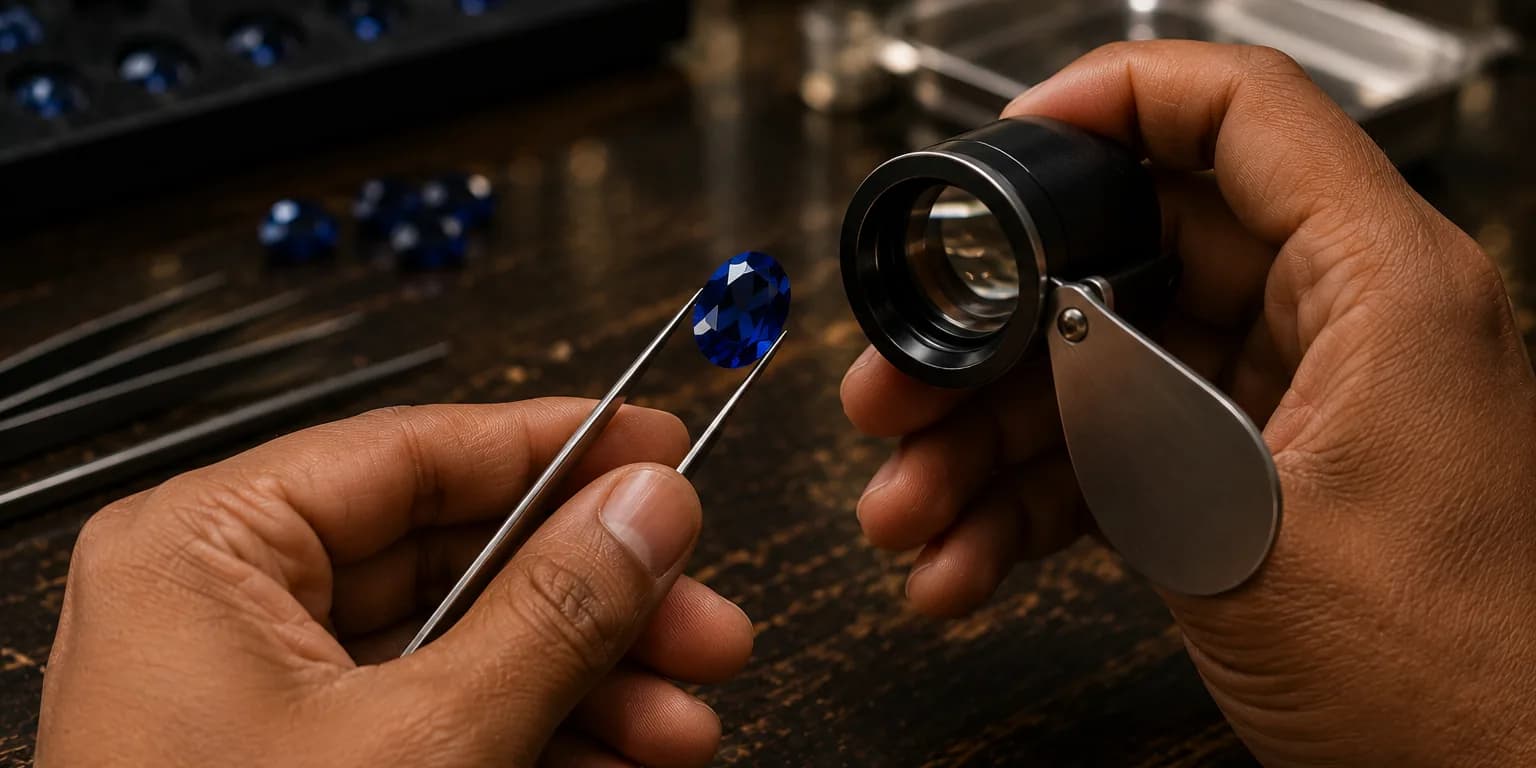
Clarity in sapphire is judged by eye first: inclusions you can see without magnification reduce value noticeably. Ask to examine the stone with a loupe, and expect some inclusions under magnification, a natural stone that looks flawless at 10x deserves more scrutiny, not less, since it may be synthetic.
Cut determines how the stone returns light. Look for life across the whole face; a large washed-out "window" in the centre usually means the stone was cut to preserve weight rather than beauty. Carat weight then multiplies everything else, price per carat steps up sharply at quality and size thresholds, which our guide to sapphire price factors explains in detail.
Heated or Unheated, and Why It Matters
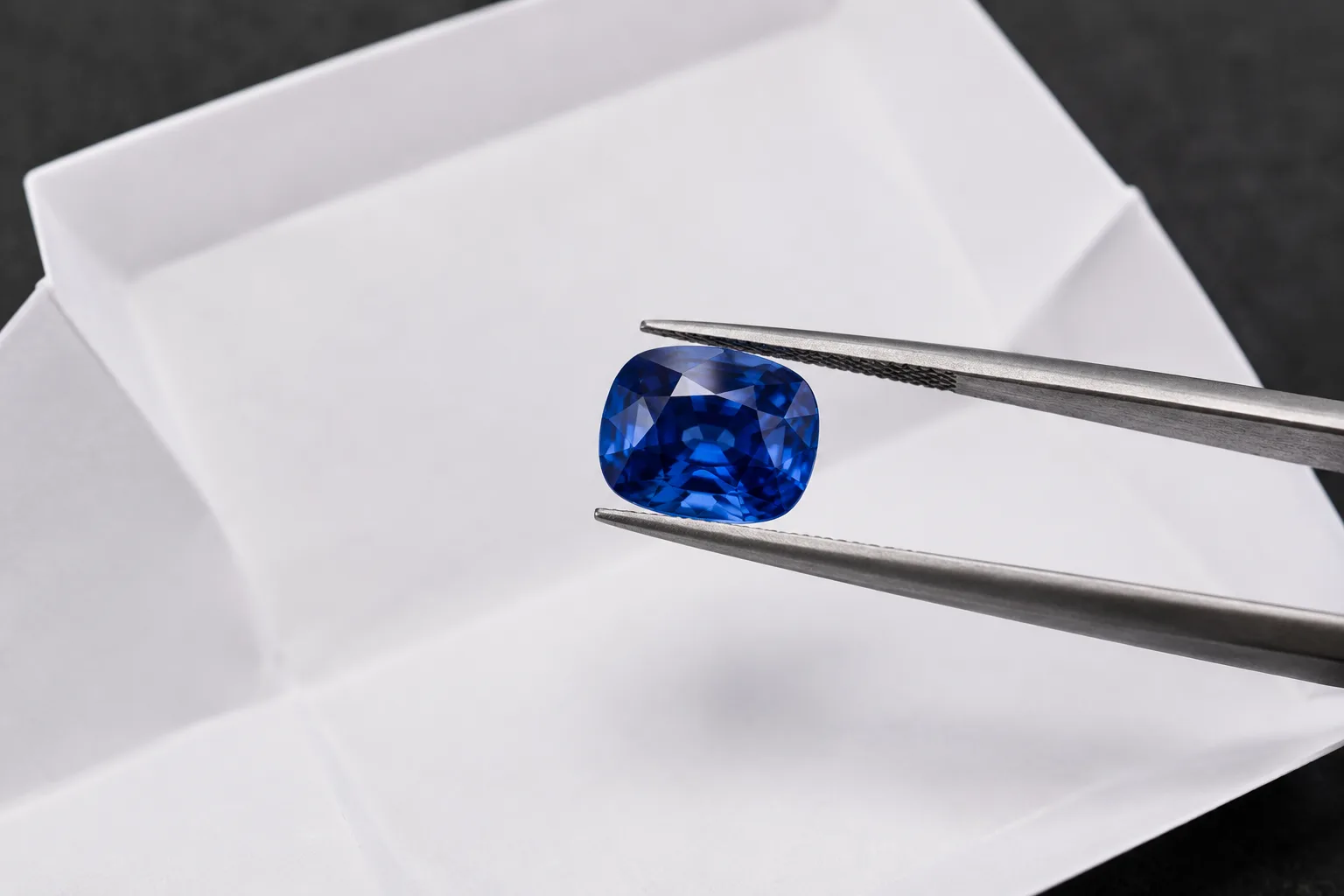
Most sapphires sold today have been heated to improve colour or clarity. This is an accepted practice when disclosed, and a heated sapphire is still a natural sapphire. Unheated stones of comparable quality are scarcer and generally command a premium, which is exactly why the claim "unheated" must never rest on a verbal assurance.
Ask directly: has this stone been treated in any way, including heating? Have the answer written on the invoice, and for any significant stone insist that a laboratory report states the treatment status. Our comparison of heated versus unheated sapphires covers the trade-offs.
Origin Claims Deserve Evidence
"Ceylon sapphire" is a statement about where the stone formed, not a grade. Origin can carry a premium, particularly for fine blue stones, but it is one of the hardest things to verify by eye, laboratories determine it from internal characteristics, and even they express it as an opinion. If origin is part of the price you are paying, it belongs on the invoice and, for important stones, on an origin report. Read more in our profile of the Ceylon sapphire.
Paperwork Before Payment
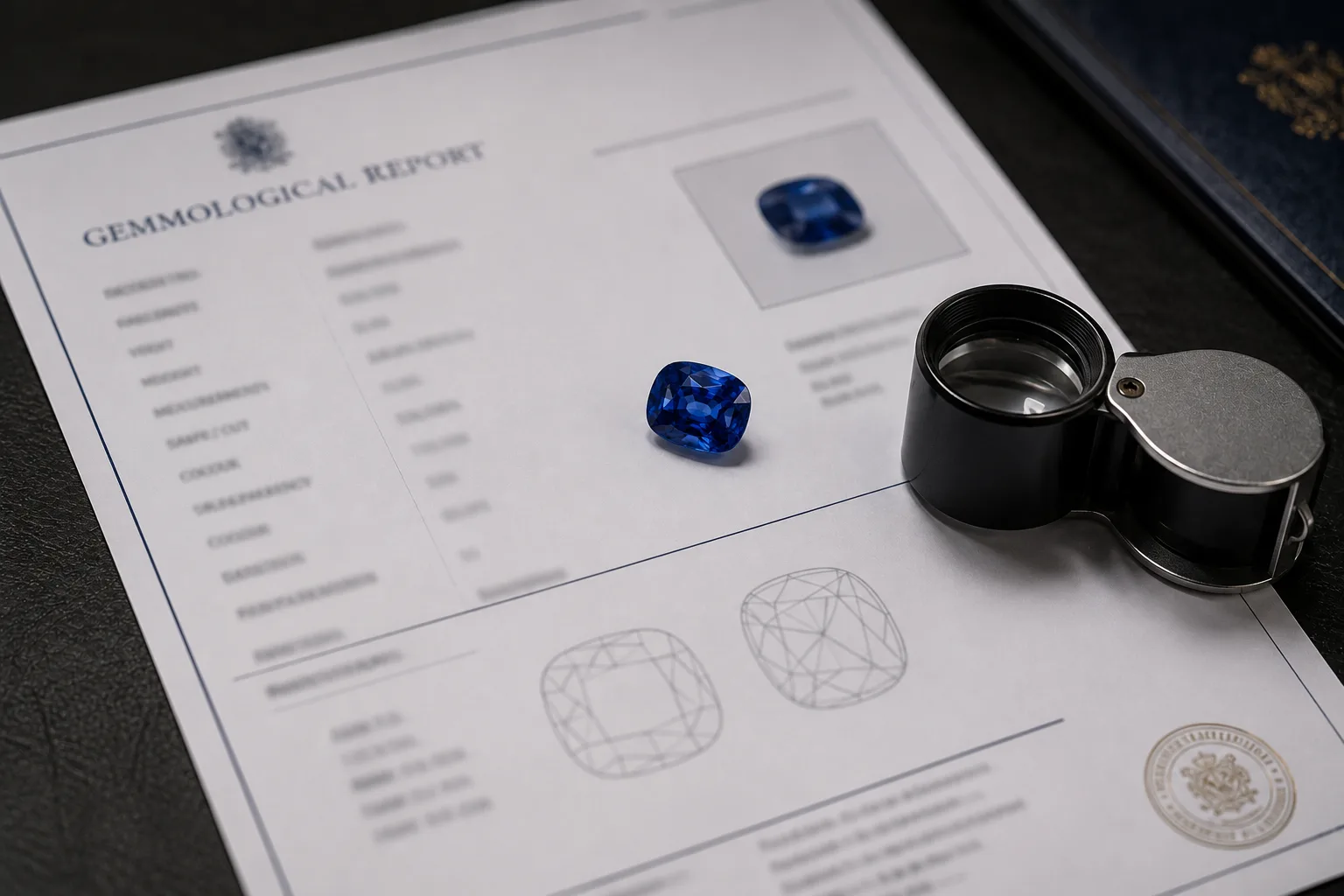
For a significant sapphire, the sequence is simple: written disclosure of identity, treatment and weight on the invoice; an independent gem report from a laboratory unconnected to the seller; and a check that the report's weight and measurements match the stone in front of you. Our guide to checking a gem certificate shows how to do that last step properly.
If you are buying a stone to set later, the additional questions in buying a loose sapphire apply. And if anything in the transaction resists documentation, treat that as your answer.
Frequently asked questions
What is the most important factor when buying a sapphire?
Colour. Hue, saturation and evenness of colour drive sapphire value more than any other factor, which is why the stone should be judged in daylight as well as under shop lighting.
Is a heated sapphire worth buying?
Yes. Heating is a long-accepted trade practice when disclosed, and most sapphires on the market are heated. Comparable unheated stones generally command a premium, so the treatment status must be on the invoice and, for significant stones, on a laboratory report.
Does 'Ceylon sapphire' mean the stone is better?
Ceylon is an origin description, not a quality grade. Origin can affect value, but a fine sapphire is fine regardless of source, and an origin claim on an important stone should be supported by a laboratory origin opinion.
Do I need a certificate to buy a sapphire?
For any purchase that is significant to you, an independent laboratory report confirming natural origin and treatment status is strongly advisable. It is the document insurers, customs officers and future buyers will ask about.
Related terms
Sources
- Gemological Institute of America (GIA), Sapphire quality factors and treatment identification
- CIBJO, The World Jewellery Confederation, Disclosure standards for corundum treatments
- International Gem Society (IGS), Consumer guidance on sapphire buying
- GIA: Sapphire Quality Factors, Quality factors for sapphire
- IGS: Sapphire value and information, Consumer-level value factors
External references are provided for verification. Listing a source does not imply affiliation or endorsement.
Seen something that needs correcting? Read how corrections work or contact the editorial team.
Related Guides
Buying Guides
How to Buy Gemstones in Sri Lanka Safely and Confidently
A complete guide for tourists, collectors and investors: what to look for, what to ask, what to avoid and how to protect a gemstone purchase in Sri Lanka.
5 min read
Buying Guides
How Do You Check a Gem Certificate Is Genuine?
How to check a gem certificate, matching the report to the stone, verifying it with the issuing laboratory, and spotting altered or invented documents.
3 min read
Sapphire Centre
Heated vs Unheated Sapphire: What Is the Difference?
How heat treatment changes sapphires, how laboratories detect it, why unheated stones carry premiums and what disclosure you should insist on.
4 min read
Sapphire Centre
How Do You Buy a Loose Sapphire?
A practical process for buying a loose sapphire, examining the stone, questioning the seller, verifying claims and securing the right documents.
3 min read