Buying Guides
A Tourist's Guide to Buying Gems in Sri Lanka
A practical guide for visitors buying gems in Sri Lanka, where tourists buy, how to judge what you are shown, paying safely and taking stones home.
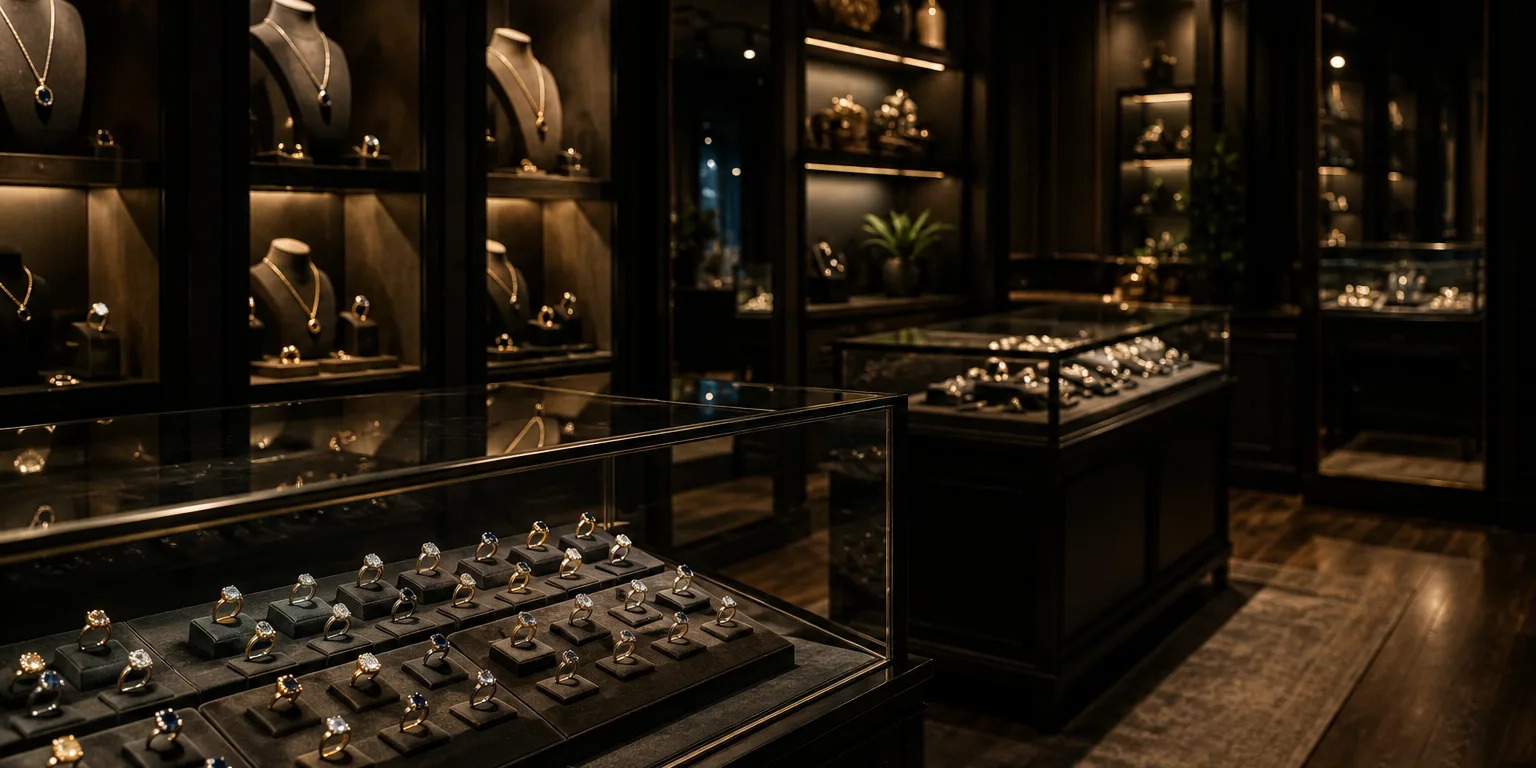
Tourists can buy gems safely in Sri Lanka by sticking to licensed, established dealers, refusing street and hotel-lobby approaches, asking for written disclosure of identity, treatments and weight, comparing prices across several shops, and keeping every document for customs on departure.
For many visitors, buying a sapphire or another coloured stone is part of the point of coming to Sri Lanka. The island's gem trade has been documented since antiquity, and stones can genuinely be bought well here. But tourists are also the market segment most exposed to misdescription and overpricing, because sellers know a visitor has limited time, limited local knowledge and no easy way to return.
This guide is the short, practical version of our fuller guide to buying gemstones in Sri Lanka, focused on the situations a traveller actually meets.
Where Tourists Buy, and Where They Shouldn't
Buy from licensed dealers with fixed, established premises. Sri Lanka's gem industry is regulated by the National Gem and Jewellery Authority, and established businesses have addresses, records and reputations that survive your flight home.
Be firm about where you will not buy: from beach sellers, from touts outside attractions, from a driver's or guide's "cousin with good stones", or in a hotel room. These channels account for a disproportionate share of tourist complaints, and the discount they promise is usually the bait, not the reality.
Judging What You Are Shown
You do not need to become a gemologist in a week. Concentrate on a few habits that raise your odds considerably.
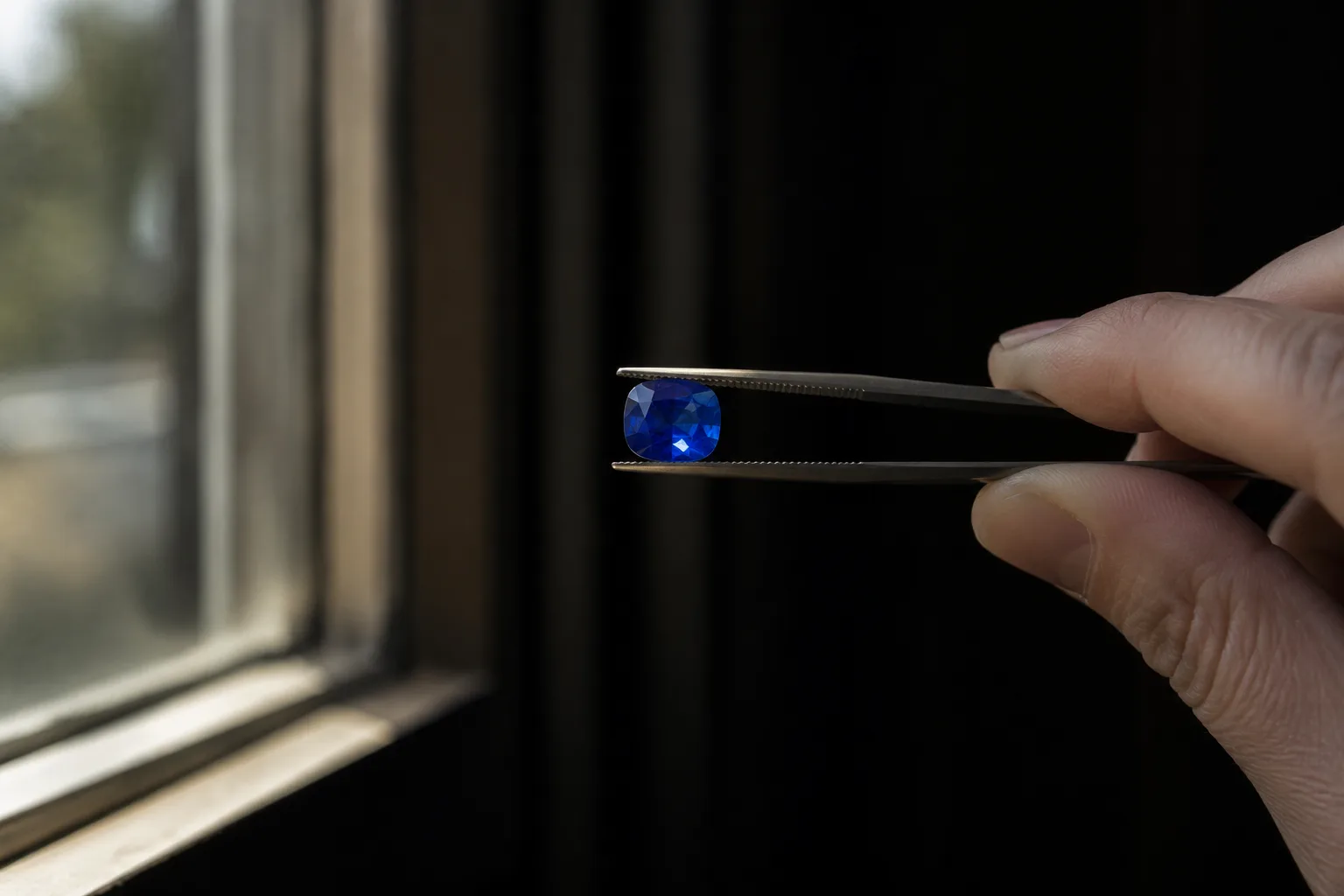
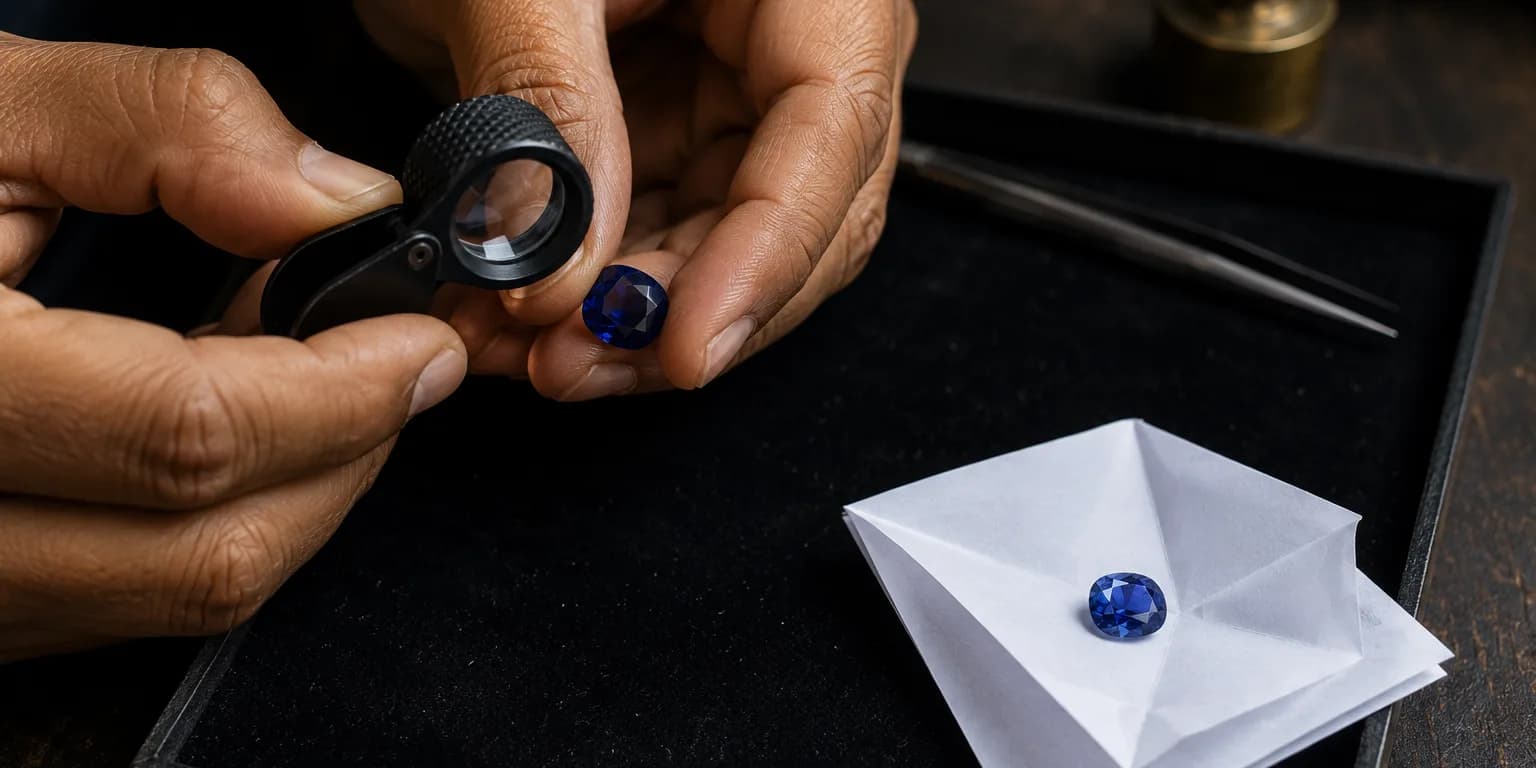
Look at any serious stone in daylight, near a window or doorway, not only under shop spotlights designed to flatter it. Ask what the stone is, whether it is natural or synthetic, and whether it has been treated, then ask for exactly those answers in writing. Ask for the stone to be weighed in front of you.
If you are focused on sapphire, the island's signature stone, read how to buy a sapphire and the profile of the Ceylon sapphire before you shop.
The Stories to Walk Away From
Certain scripts recur so reliably that they function as warnings in themselves. The most common is the resale story: buy this stone here, sell it at home or to a "partner office" abroad for a guaranteed profit. No legitimate dealer sells guaranteed profits to strangers.
Other classics include the shop that is "closing today", the price that drops dramatically the moment you turn to leave, and the gem "mine tour" that ends in a sales room. Our guide to red flags when buying gemstones lists them all with explanations.
Paying and Papers
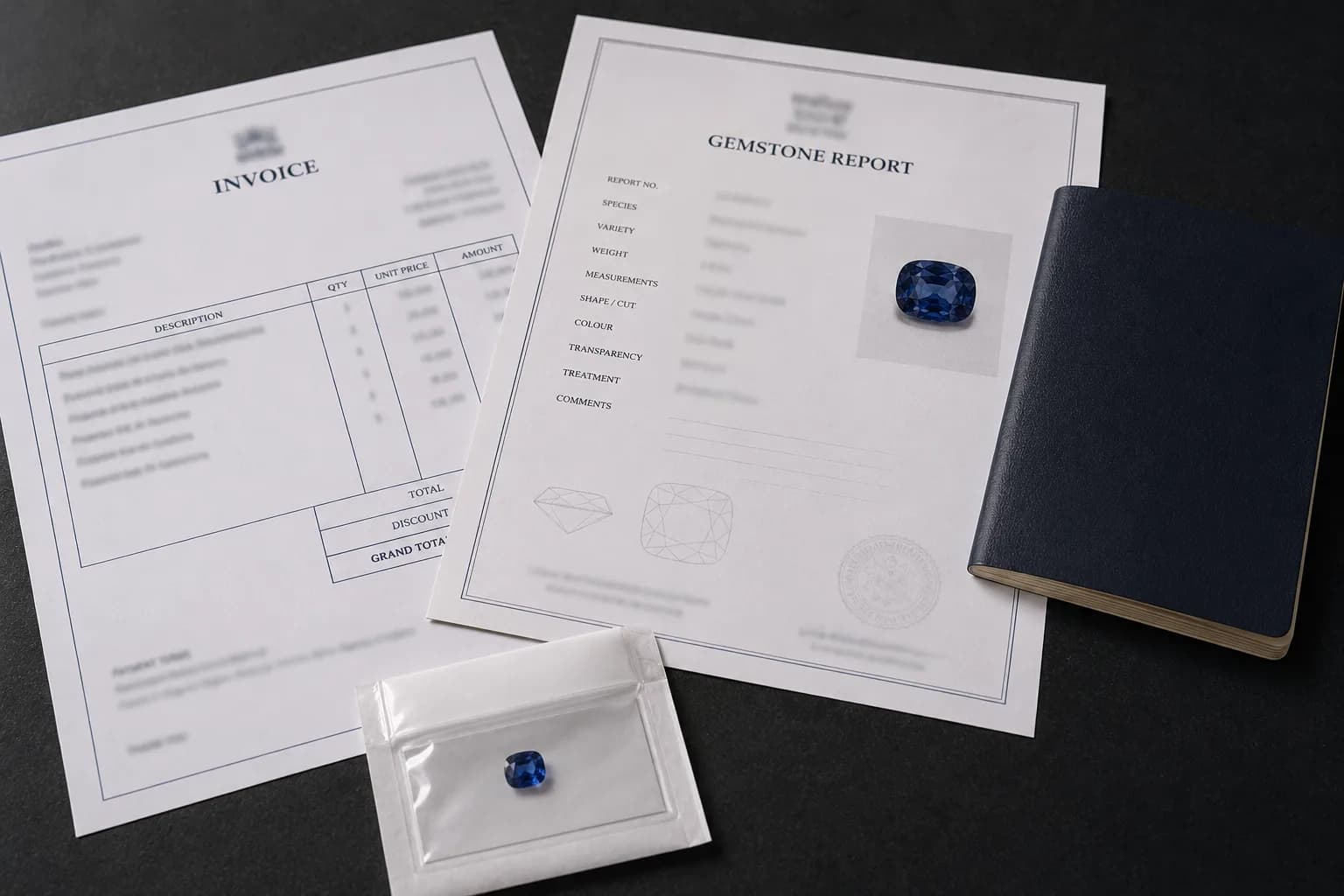
Pay by a method that leaves a record, and keep the receipt. Insist on an itemised invoice naming the seller, the stone, its weight, its treatment status and the price. For a significant purchase, an independent laboratory report is the standard protection, a reputable dealer will not resist verification, and our guide to reading a gem report explains what the document should say.
Taking Your Gems Home
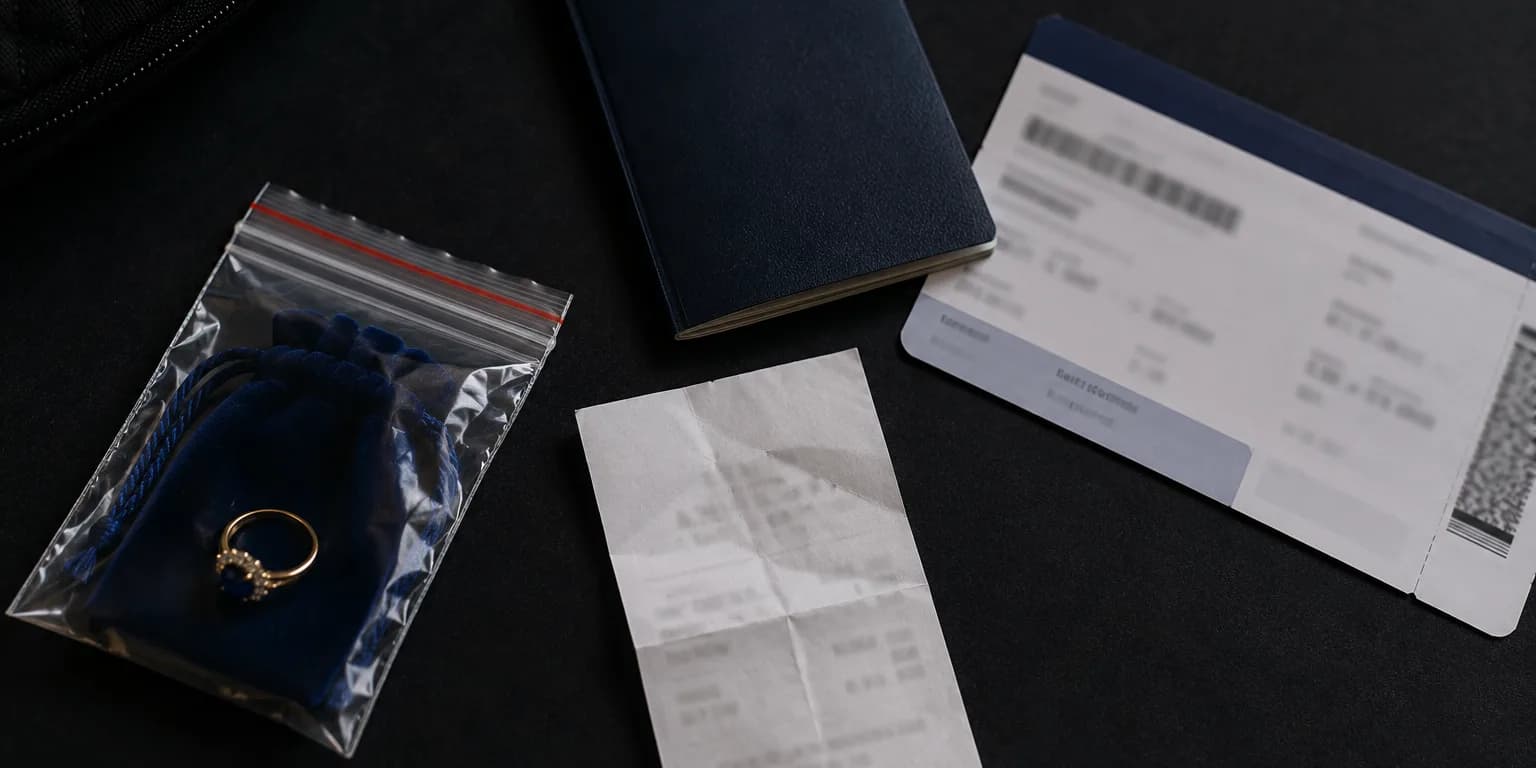
Before you fly, make sure you understand the declaration requirements of Sri Lanka and of your destination country. Rules change, so verify current requirements with official sources close to your departure. Keep invoice, report and payment evidence together in your hand luggage with the stones. Our guide to taking gemstones out of Sri Lanka walks through the general process, and Can Tourists Buy Gemstones in Sri Lanka? answers the legality question directly.
A Traveller's Quick Checklist
- Licensed dealer with fixed premises
- Stone viewed in daylight
- Identity, treatment and weight in writing
- Prices compared across several shops
- No resale-profit stories entertained
- Payment method that leaves a record
- All documents kept together for the journey home
The Jewellery Purchase Checker turns this into an interactive list you can run through at the counter.
Frequently asked questions
Where should tourists buy gems in Sri Lanka?
From licensed, established dealers with fixed premises, whether in Colombo, Kandy, Galle or the gem towns such as Ratnapura. Avoid purchases initiated by touts, drivers, beach sellers or strangers offering introductions.
Are gems really cheaper in Sri Lanka?
Good stones close to the source can be competitively priced, but there are no automatic bargains. A price far below every comparable quote is a warning sign, not an opportunity.
Can I resell a gem at home for a profit?
Treat any seller's story about guaranteed resale profit as a red flag. Reselling coloured stones privately is slow and usually recovers less than retail price. Buy because you want the stone, not as an investment scheme.
What do I need to take a gem out of Sri Lanka?
Keep the itemised invoice, any laboratory report and your payment evidence together, and verify current export and declaration requirements with official sources in Sri Lanka and your home country before you travel.
Should a tourist get a gem certificate?
For any purchase that matters to you financially, yes. An independent laboratory report confirming identity and treatment status is inexpensive relative to the protection it provides.
Related terms
Sources
- National Gem and Jewellery Authority of Sri Lanka (NGJA), Licensing and regulation of the Sri Lankan gem trade
- Gemological Institute of America (GIA), Consumer guidance on gemstone identification and treatments
- International Gem Society (IGS), Consumer education on buying coloured gemstones
- Sri Lanka Customs: Travellers, Traveller declaration duties for gems, gold and currency
External references are provided for verification. Listing a source does not imply affiliation or endorsement.
Seen something that needs correcting? Read how corrections work or contact the editorial team.
Related Guides
Buying Guides
How to Buy Gemstones in Sri Lanka Safely and Confidently
A complete guide for tourists, collectors and investors: what to look for, what to ask, what to avoid and how to protect a gemstone purchase in Sri Lanka.
5 min read
Buying Guides
What Are the Red Flags When Buying Gemstones?
Ten red flags when buying gemstones, pressure tactics, resale-profit stories, fantasy discounts and documentation dodges, and why each one matters.
3 min read
Buying Guides
How to Buy a Sapphire: What Actually Determines Quality
How to buy a sapphire with confidence, judging colour, clarity, cut and weight, understanding heat treatment and origin claims, and using laboratory reports.
3 min read
Rules & Export
Taking Gemstones Out of Sri Lanka: What Travellers Should Know
How travellers generally take purchased gemstones out of Sri Lanka, declarations, documentation and the official bodies to check with before departure.
3 min read