Jewellery
Jewellery in Sri Lanka: An Introduction to the Island's Craft
An editorial introduction to jewellery in Sri Lanka, its traditions, gold culture, gemstones and craftsmanship, and how to explore each subject in depth.
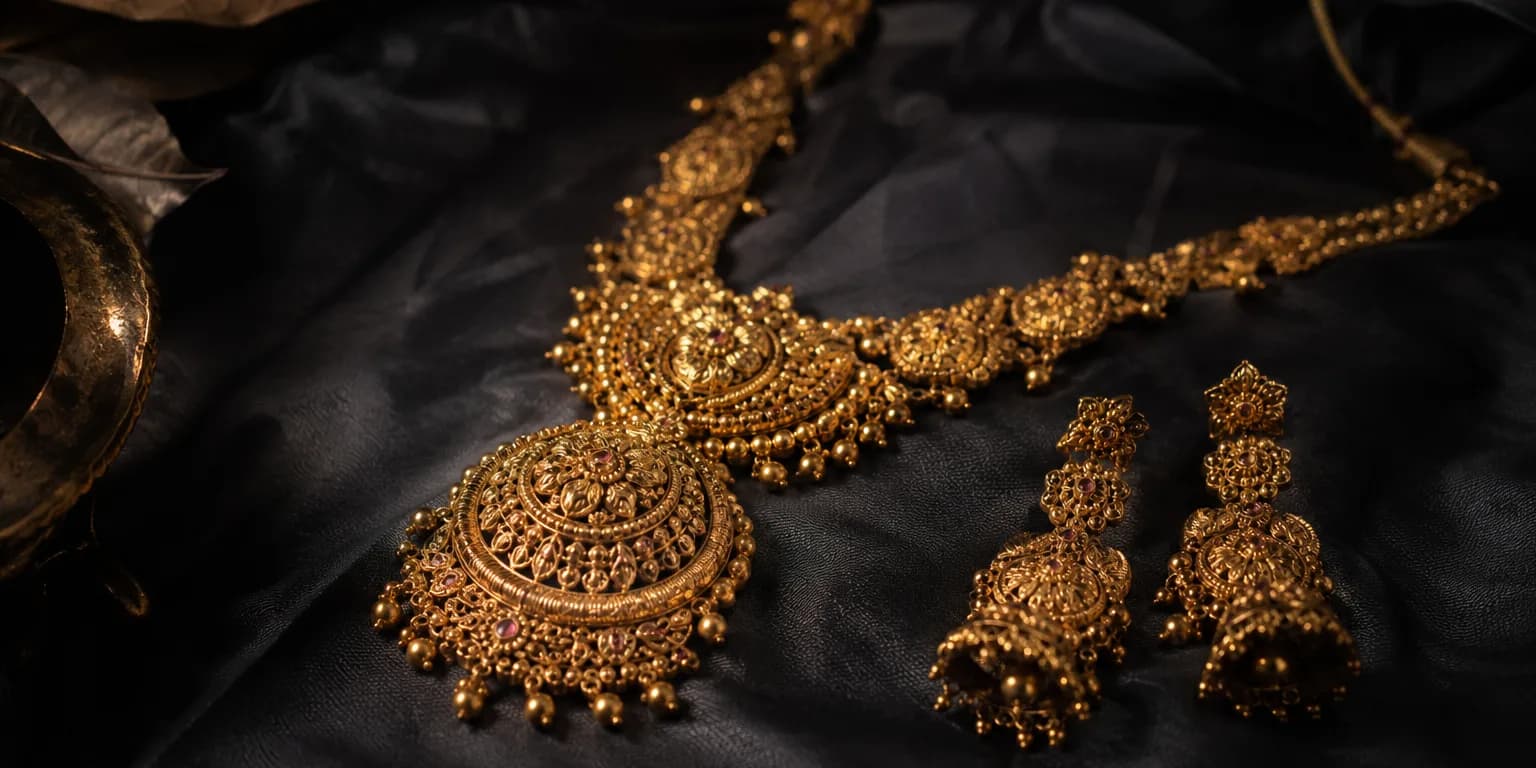
Jewellery in Sri Lanka draws on centuries of goldsmithing tradition, a celebrated gemstone trade and living regional styles such as Kandyan and Tamil bridal jewellery. Today the island supports everything from small family workshops to modern manufacturers, and buyers encounter traditional, contemporary, handmade and custom work side by side.
Few places concentrate as much jewellery history, material wealth and living craft into as small an area as Sri Lanka. The island has long been famous as a source of coloured gemstones, and around that mineral inheritance grew a goldsmithing culture that still shapes how Sri Lankans mark weddings, births and milestones today.
This article is the starting point for our jewellery section. It sketches the landscape, traditions, materials, makers and markets, and points you to the detailed guides on each subject.
A Craft Shaped by Gemstones and Gold
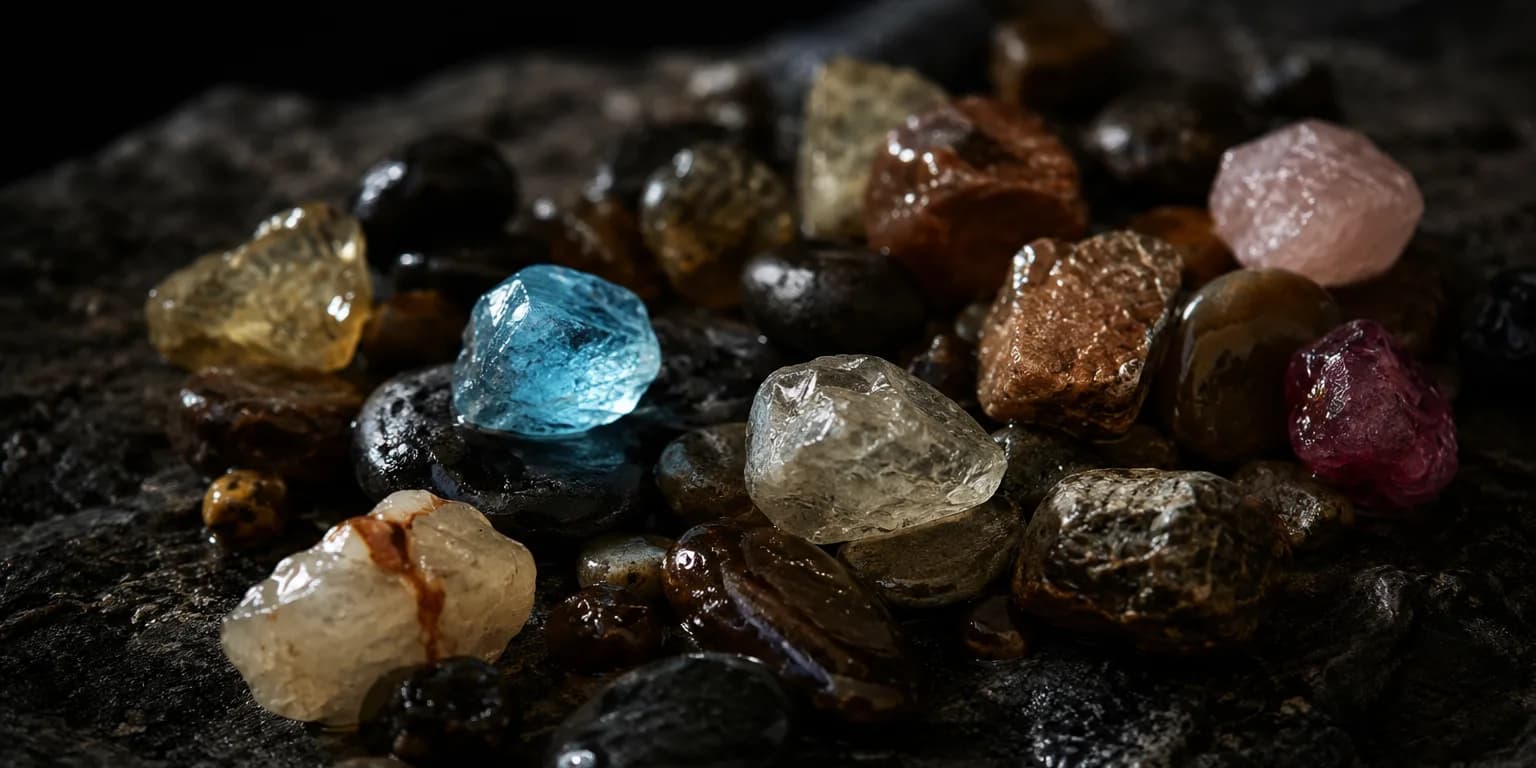
Sri Lanka's jewellery culture is inseparable from its geology. The island's gem gravels have supplied sapphires, moonstones, spinels and many other stones to local and international markets for centuries, and much of the goldsmith's art here evolved specifically to present those stones. The Ceylon sapphire remains the emblem of that relationship, with the softer glow of moonstone a close second.
Gold, meanwhile, carries a social weight that goes beyond adornment. Across communities, gold jewellery has traditionally served as portable family wealth, wedding gift and heirloom in one, a role it still plays in many households.
Living Traditions
Sri Lankan jewellery is not a single style. The hill country is associated with the ornate Kandyan tradition, worn most visibly by brides in full ceremonial dress. Tamil communities, particularly in the north, maintain distinct wedding and temple-inspired jewellery traditions centred on the thali. Coastal and low-country styles, silver craft and colonial-era influences add further layers.
Our guide to traditional Sri Lankan jewellery surveys these strands, while the history overview traces how they developed.
Makers: From Family Bench to Modern Factory
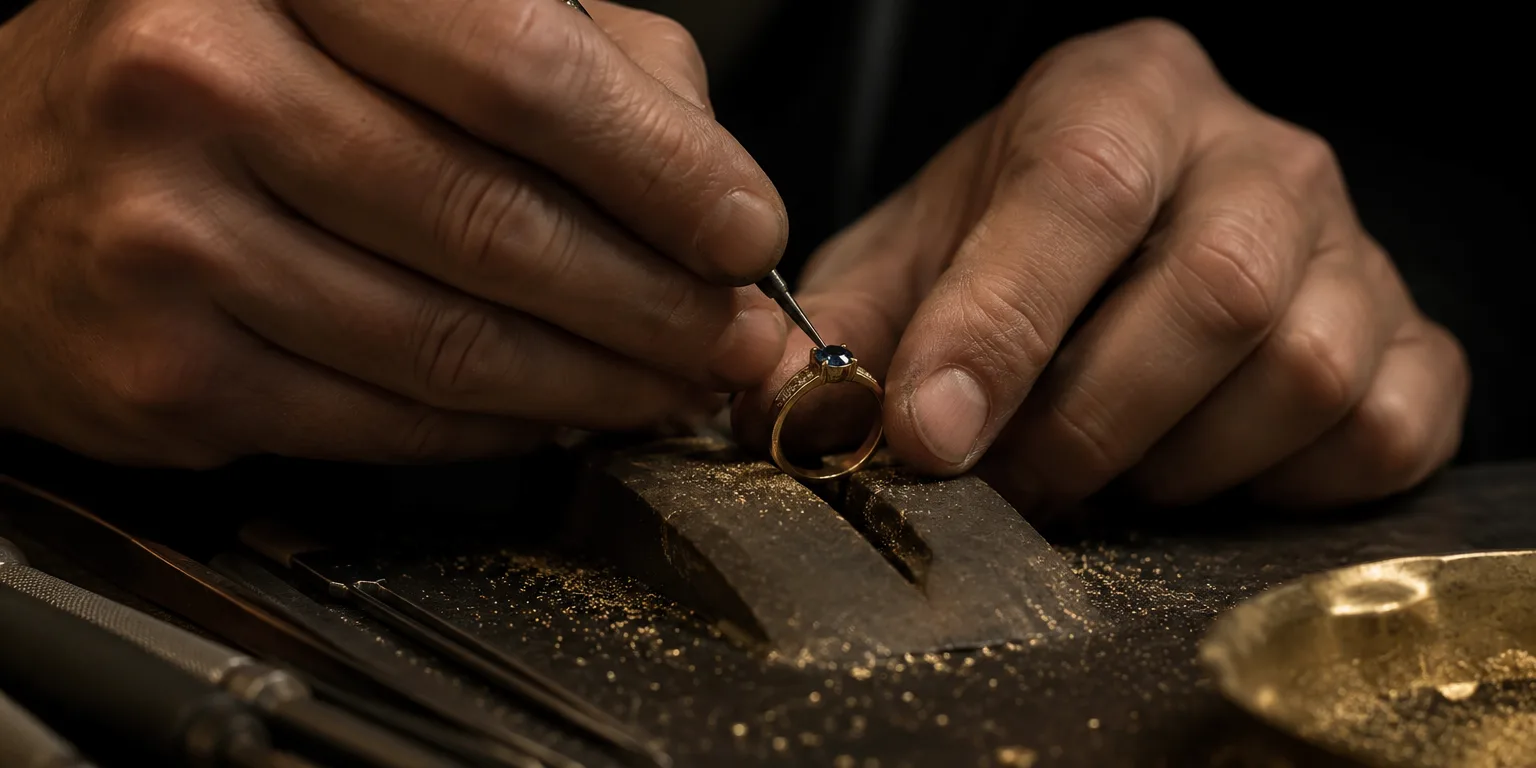
The people who make Sri Lankan jewellery range from individual goldsmiths working with hand tools at a small bench to design studios and export-oriented manufacturers using casting and modern finishing equipment. Many workshops still take commissions directly, which is why custom jewellery remains a normal way to buy rather than a luxury service.
If the making process itself interests you, see our explainers on handmade jewellery and jewellery manufacturing, which compare hand fabrication with casting and describe what each approach means for the finished piece.
What Buyers Encounter Today
A visitor walking through Colombo, Kandy or Galle will see several markets operating side by side: traditional gold jewellery sold largely by weight, gem-set fine jewellery priced on stones and workmanship, contemporary designer pieces, and tourist-oriented shops of widely varying quality.
Navigating them well takes a little structure. Understanding gold hallmarks and making charges demystifies gold pricing, and our jewellery price calculator helps you sense-check a quote. For the full process, questions, documents, red flags, start with the guide to buying jewellery in Sri Lanka.
Caring for What You Own
Jewellery in Sri Lanka is often kept for decades and passed on, which makes maintenance part of the culture. Skilled workshops routinely resize, repair and restore older pieces; our guide to jewellery repair and restoration explains what good work looks like and what to agree before handing over an heirloom.
Where to Go Next
If you are reading for cultural interest, begin with the history and traditional jewellery guides. If you are planning a purchase, pair the buying guide with the article that matches your intent, bridal, custom or fine jewellery. And when you are ready to find workshops and sellers, the directory lists them by city and category.
Frequently asked questions
What is Sri Lankan jewellery known for?
Sri Lanka is best known for gem-set jewellery, above all sapphires, and for a strong goldsmithing culture expressed in regional traditions such as Kandyan and Tamil bridal jewellery. Handmade and custom work remains widely available alongside modern manufactured pieces.
Is jewellery in Sri Lanka mostly gold?
Gold has traditionally been the dominant metal, particularly for bridal and heirloom pieces, but silver has a long craft history of its own and contemporary designers work in a wide range of metals.
Where is jewellery made in Sri Lanka?
Jewellery is made across the island, from small family workshops to modern factories. Cities such as Colombo, Kandy, Galle and Jaffna are traditionally associated with jewellery craft and trade.
How do I start learning about buying jewellery in Sri Lanka?
Begin with the fundamentals, metals, hallmarking, gemstones and documentation, then read a structured buying guide before visiting sellers. Our buying guide for jewellery in Sri Lanka covers the full process.
Sources
- Publicly documented Sri Lankan cultural heritage; specific historical claims pending expert review, General statements about regional traditions and craft centres are described in cautious terms.
- International Gem Society (IGS), General gemstone concepts referenced in passing
External references are provided for verification. Listing a source does not imply affiliation or endorsement.
Seen something that needs correcting? Read how corrections work or contact the editorial team.
Related Guides
Jewellery
What Is the History of Sri Lankan Jewellery?
How jewellery making developed in Sri Lanka, from the ancient gem trade to royal court traditions, colonial influences and today's living craft culture.
3 min read
Jewellery
What Is Traditional Sri Lankan Jewellery?
A survey of traditional Sri Lankan jewellery, Kandyan, Tamil and low-country styles, classic motifs, materials and the ceremonial roles pieces still play.
3 min read
Jewellery
What Does Contemporary Sri Lankan Jewellery Look Like?
How contemporary Sri Lankan jewellery blends heritage craft with modern design, minimalist gem-set work, designer studios, export ambitions and new buyers.
3 min read
Jewellery
What Counts as Fine Jewellery in Sri Lanka?
What fine jewellery means, precious metals, genuine gemstones and quality workmanship, and how Sri Lanka's sapphires and craft heritage shape the category.
3 min read