Jewellery
How Do Jewellery Repair and Restoration Work in Sri Lanka?
Jewellery repair and restoration in Sri Lanka, common repairs, restoring heirlooms sensitively, choosing a workshop and the paperwork to insist on.
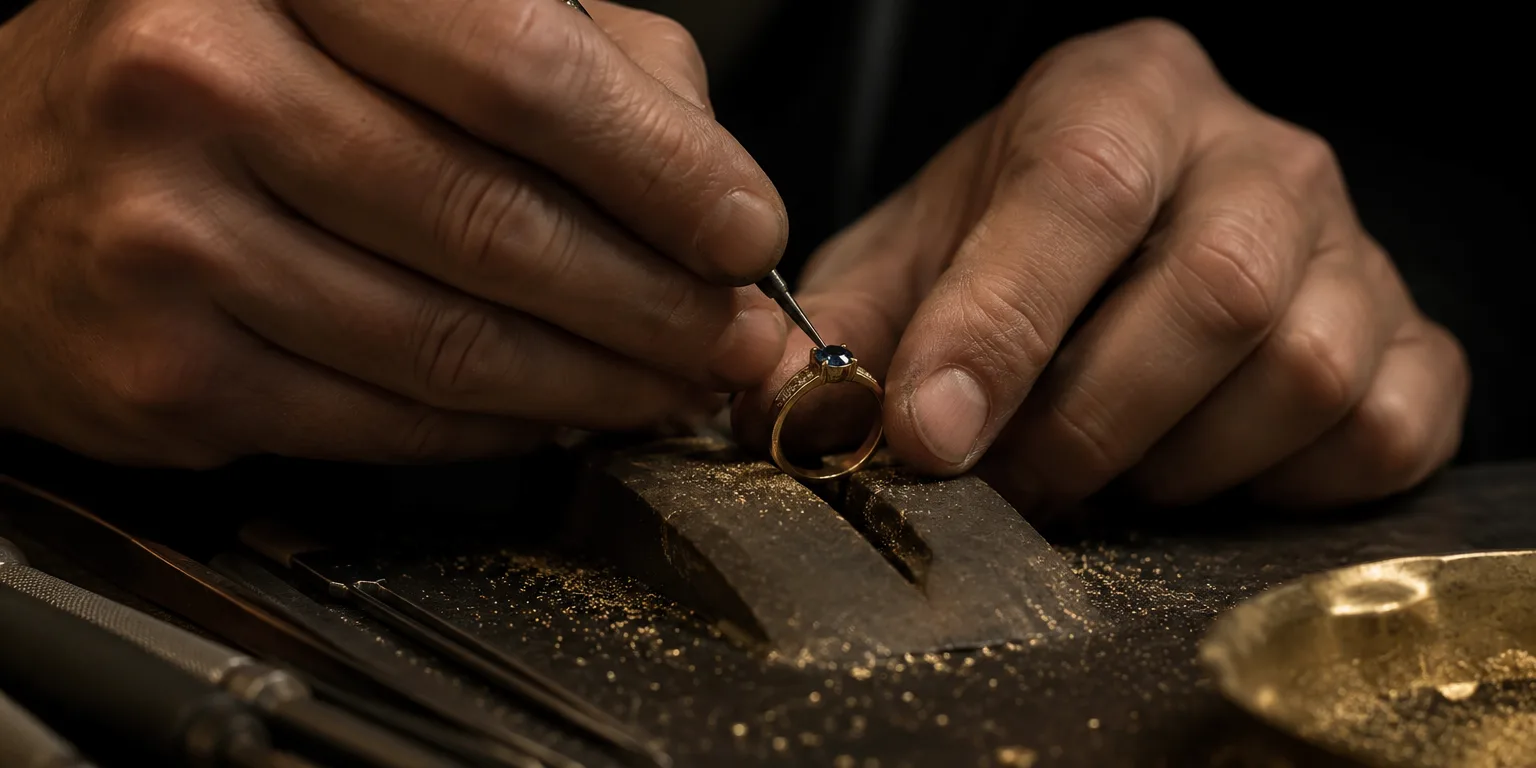
Jewellery repair covers routine work such as resizing, re-tipping prongs, replacing clasps and re-polishing, while restoration returns older or heirloom pieces to sound, wearable condition with minimal alteration. Sri Lanka's workshop culture makes skilled repair widely available; the buyer's job is to choose the workshop carefully, document the piece before handing it over, and agree the work and price in writing.
Jewellery in Sri Lanka is built to be kept. Pieces pass between generations, return to fashion decades after they were made, and survive daily wear that would retire lesser objects. What keeps them alive is the repair bench, and the island's living workshop culture means that skills equal to old, hand-built jewellery are still easy to find. Used well, that resource extends a piece's life indefinitely; used carelessly, it can strip an heirloom of its character in an afternoon.
Repair and Restoration Are Different Jobs
Repair is maintenance: resizing a ring, re-tipping worn prongs, replacing a clasp or a jump ring, mending a broken chain, re-polishing a tired surface. It aims to return a piece to full function, and for modern jewellery there is rarely more to discuss than competence and price.
Restoration is a different discipline. Its object, usually an older or inherited piece, carries age, character and often sentiment, and the aim is to make it sound and wearable while changing as little as possible. Restoration decisions are judgement calls: whether to replace a missing stone or leave the gap, how far to polish, whether to strengthen a worn element invisibly or leave honest wear alone. A good restorer discusses these choices with you before touching the piece.
Common Repairs and What They Involve
Most work falls into a familiar list. Ring resizing adds or removes metal at the shank. Prong re-tipping rebuilds the worn tips that hold stones, the single most valuable preventative repair, since a lost stone costs far more than the prong work that would have kept it. Clasp and joint replacement restores security to chains and bracelets. Chain repair rejoins broken links. Cleaning and re-polishing revive surfaces, though polishing removes a little metal each time and should be used sparingly on older pieces.
Stones deserve their own mention: heat and handling affect some gem materials, so a competent bench identifies what is set in a piece before working on it and removes vulnerable stones first. A repair visit is also the natural moment to have all settings checked and tightened.
Restoring Heirlooms Well
For heirloom pieces, a grandmother's bangles headed for a wedding, an old necklace in a family for generations, restraint is the mark of quality. Hand-fabricated older jewellery, of the kind described in handmade jewellery, responds beautifully to sympathetic hand repair and badly to shortcuts. Over-polishing erases the crisp detail that gives traditional pieces their character; casual replacement of original stones diminishes both history and value.
Families preparing inherited pieces for a wedding should build restoration time into the plan, as our bridal jewellery guide advises.
Protecting Yourself: The Paper Trail
Handing jewellery to a workshop should follow a simple discipline. Photograph the piece from several angles beforehand. Weigh it, and note the weight. Record the stones, count, type, anything distinctive. Then insist on a receipt that describes the piece precisely and states the agreed work, the price and the return date. On collection, check the piece against your photographs and weight before paying the balance.
None of this implies distrust of any particular workshop; it is simply how careful owners and careful workshops prefer to operate, the same documentation habit that runs through buying jewellery in Sri Lanka.
Choosing the Right Workshop
Judge a repair workshop the way you would judge a maker. Good signs: the bench examines the piece with you, explains the work specifically, flags risks, vulnerable stones, thin metal, unprompted, and welcomes your documentation. For restoration, ask about experience with older hand-built work; for production-era pieces, familiarity with cast construction, covered in jewellery manufacturing, is the relevant skill. Workshops can be located through the directory, and for significant restorations it is entirely reasonable to seek a second opinion before committing.
Frequently asked questions
What should I do before leaving jewellery for repair?
Photograph the piece from several angles, note its weight, and record details of every stone. Get a receipt describing the piece precisely, the agreed work, the price and the return date. For gem-set pieces, count and identify the stones on the receipt.
Can old or damaged heirloom jewellery usually be restored?
Very often, yes. Broken solder joints, worn prongs, missing small stones and bent elements are all routinely repairable. The key decision is how far to go, good restoration makes a piece sound and wearable while preserving its age and character.
Will repair affect a piece's value?
Sound, well-executed repair generally protects value; heavy-handed work can reduce it. Over-polishing that erases detail, replacing original stones casually, or modernising construction can all diminish an older piece. Discuss what will change before agreeing.
How do I choose a repair workshop in Sri Lanka?
Prefer workshops that examine the piece with you, explain the work in specific terms, and welcome documentation. Skill with hand fabrication is a good sign for older pieces. Asking who will actually do the work is a fair question.
Should stones be checked during a repair?
Yes. Heat and handling can affect some stones, so the workshop should identify what is set in the piece before working on it and tell you if any stone needs removal first. This is also a natural moment to have loose settings tightened.
Sources
- International Gem Society (IGS), General guidance on jewellery care, settings and stone durability
External references are provided for verification. Listing a source does not imply affiliation or endorsement.
Seen something that needs correcting? Read how corrections work or contact the editorial team.
Related Guides
Jewellery
What Makes Handmade Jewellery Different?
What handmade jewellery means in Sri Lanka, traditional techniques, how handwork differs from casting, how to recognise it and why buyers pay more for it.
3 min read
Jewellery
How Should You Plan Bridal Jewellery in Sri Lanka?
Planning bridal jewellery in Sri Lanka, Kandyan and Tamil traditions, buying versus hiring, budgets and timelines, and using heirloom pieces on the day.
3 min read
Jewellery
What Is Traditional Sri Lankan Jewellery?
A survey of traditional Sri Lankan jewellery, Kandyan, Tamil and low-country styles, classic motifs, materials and the ceremonial roles pieces still play.
3 min read
Jewellery
How Is Jewellery Manufactured in Sri Lanka?
How jewellery is made in Sri Lanka, casting and hand fabrication, the workshop-to-factory spectrum, quality control and what methods mean for buyers.
3 min read