Jewellery
What Does Contemporary Sri Lankan Jewellery Look Like?
How contemporary Sri Lankan jewellery blends heritage craft with modern design, minimalist gem-set work, designer studios, export ambitions and new buyers.
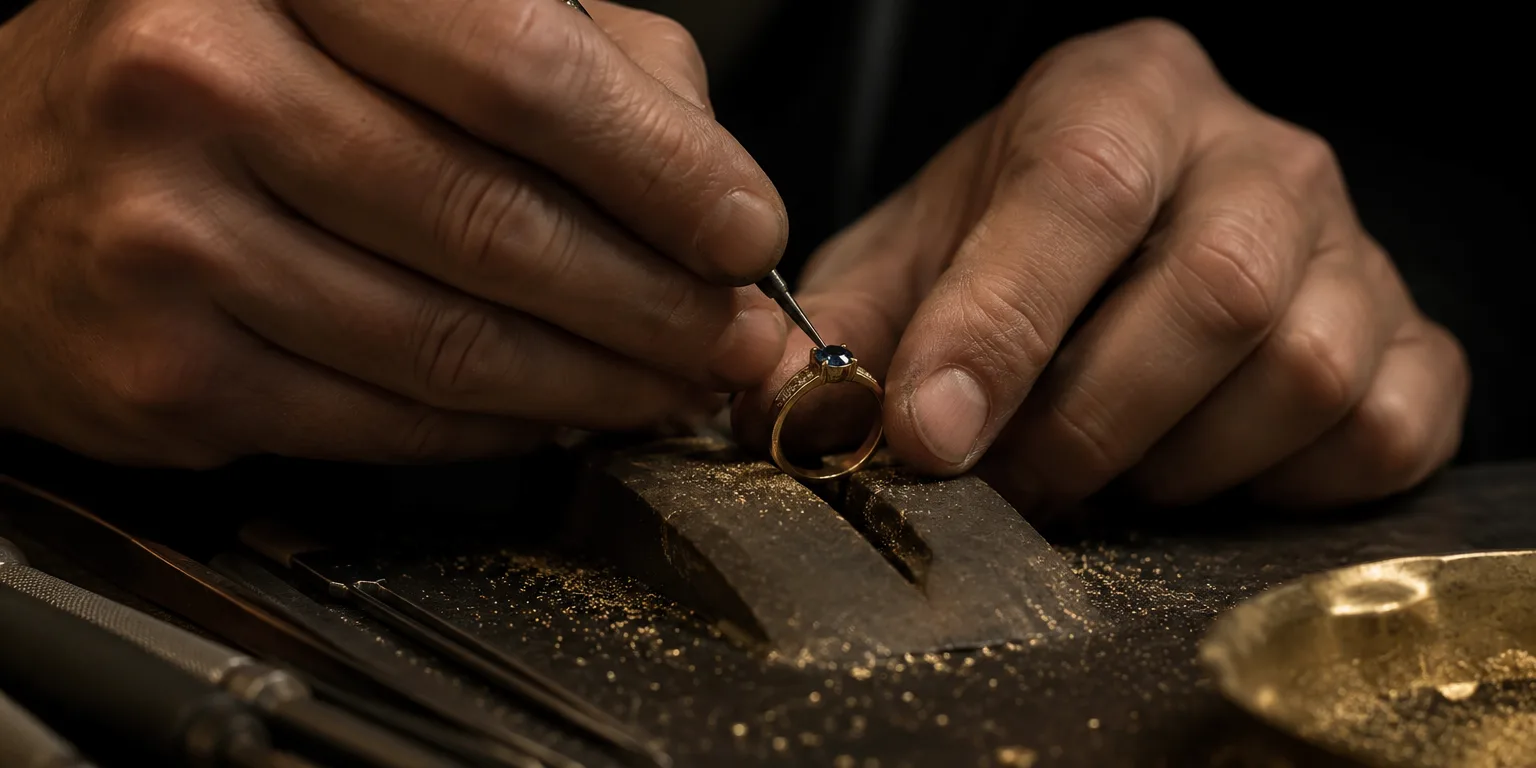
Contemporary Sri Lankan jewellery reinterprets the island's heritage, its gemstones, goldsmithing skills and traditional motifs, through modern design. The scene ranges from minimalist gem-set pieces built around Ceylon sapphires to designer studios updating traditional forms, serving local buyers, visitors and export markets alike.
For a long time, Sri Lankan jewellery presented the world two faces: heritage gold in traditional forms, and loose gemstones destined for other people's designs. A third face has come into focus, contemporary Sri Lankan jewellery, made by designers and studios who treat the island's stones and craft skills as raw material for modern work.
From Stone Source to Design Voice
The island has always had the ingredients: celebrated gems, deep benches of goldsmithing and setting skill, and a lapidary trade used to exacting customers. What has changed is intent. Increasing numbers of designers now finish the story locally, designing, making and branding jewellery on the island rather than exporting stones for others to set. The result is a scene that speaks an international design language with an unmistakably local accent: the colour range of Ceylon sapphires, the glow of moonstone, the patience of hand finishing.
The Contemporary Aesthetic
If the Kandyan bridal set is maximal, much contemporary Sri Lankan work runs the other way. Minimalist settings that foreground a single well-cut stone are a signature: a sapphire in a plain bezel, clean lines, wearable weight. Alongside this minimalism sits a second current, reinterpretation, in which traditional motifs and forms are redrawn at modern scale and restraint rather than discarded.
Both currents share a sensibility: the stone leads, ornament serves, and pieces are designed for daily wear rather than the vault. Readers who want the traditional reference points will find them in our guide to traditional Sri Lankan jewellery.
How Contemporary Work Is Made
Behind the modern surface, making methods mix old and new. Computer-aided design and casting coexist with hand fabrication and traditional setting; many studios sketch digitally, cast the structure and finish entirely by hand. The trade-offs between these approaches, and what they mean for quality and price, are covered in our explainers on handmade jewellery and jewellery manufacturing.
A New Kind of Buyer
Contemporary studios serve an audience that shops differently from the traditional gold buyer. These customers tend to prize design and provenance over gram weight; they expect documented gemstones, stated metal fineness and transparent pricing, and they often want a hand in the design itself. That last impulse keeps the island's commissioning culture alive in modern form, a process our guides to custom jewellery and buying custom jewellery walk through in detail.
Export ambition is part of the picture too. Sri Lankan designers increasingly sell to international customers directly, and the country's jewellery manufacturing sector supplies overseas brands, a quieter but substantial channel for the island's craft.
Buying Contemporary Pieces Well
Modern design does not suspend the fundamentals. Whatever the aesthetic, insist on written disclosure of gemstone identity and treatments, stated fineness for the metal, and an itemised price. For gold-dominant pieces, gold hallmarks and making charges still explain most of the price; the jewellery price calculator helps you test a quote. Studios and retailers can be located through the directory, and the general process is covered in buying jewellery in Sri Lanka.
Where the Scene Is Heading
The direction of travel seems clear: more design-led studios, more direct international selling, and a continuing conversation between heritage and modernity, traditional skills applied to contemporary ends. For the island's jewellery culture as a whole, that is less a break with history than its next chapter.
Frequently asked questions
What defines contemporary Sri Lankan jewellery?
A blend of local strengths, fine coloured stones and skilled handwork, with modern international design. Clean settings, wearable proportions and reinterpreted traditional motifs are characteristic.
Is contemporary jewellery in Sri Lanka good value?
It can be, because buyers are close to the source of the stones and to skilled labour. Value still depends on the individual piece, so documented gemstones, stated fineness and comparable quotes matter as much as ever.
Can I have a contemporary piece made to my own design?
Yes. Many studios and workshops take commissions, from adapting an existing design to developing something entirely new. See our custom jewellery guide for how the process should run.
Do contemporary designers still use traditional techniques?
Frequently. Hand fabrication, filigree and traditional setting skills appear throughout contemporary work, often combined with modern methods such as computer-aided design and casting.
Sources
- International Gem Society (IGS), General gemstone and design concepts referenced in passing
External references are provided for verification. Listing a source does not imply affiliation or endorsement.
Seen something that needs correcting? Read how corrections work or contact the editorial team.
Related Guides
Jewellery
Jewellery in Sri Lanka: An Introduction to the Island's Craft
An editorial introduction to jewellery in Sri Lanka, its traditions, gold culture, gemstones and craftsmanship, and how to explore each subject in depth.
3 min read
Jewellery
What Counts as Fine Jewellery in Sri Lanka?
What fine jewellery means, precious metals, genuine gemstones and quality workmanship, and how Sri Lanka's sapphires and craft heritage shape the category.
3 min read
Jewellery
How Does Custom Jewellery Work in Sri Lanka?
How commissioning custom jewellery works in Sri Lanka, the design process, choosing stones and metal, agreeing costs, timelines and the paperwork to insist on.
3 min read
Jewellery
How Is Jewellery Manufactured in Sri Lanka?
How jewellery is made in Sri Lanka, casting and hand fabrication, the workshop-to-factory spectrum, quality control and what methods mean for buyers.
3 min read