Jewellery
What Is the History of Sri Lankan Jewellery?
How jewellery making developed in Sri Lanka, from the ancient gem trade to royal court traditions, colonial influences and today's living craft culture.
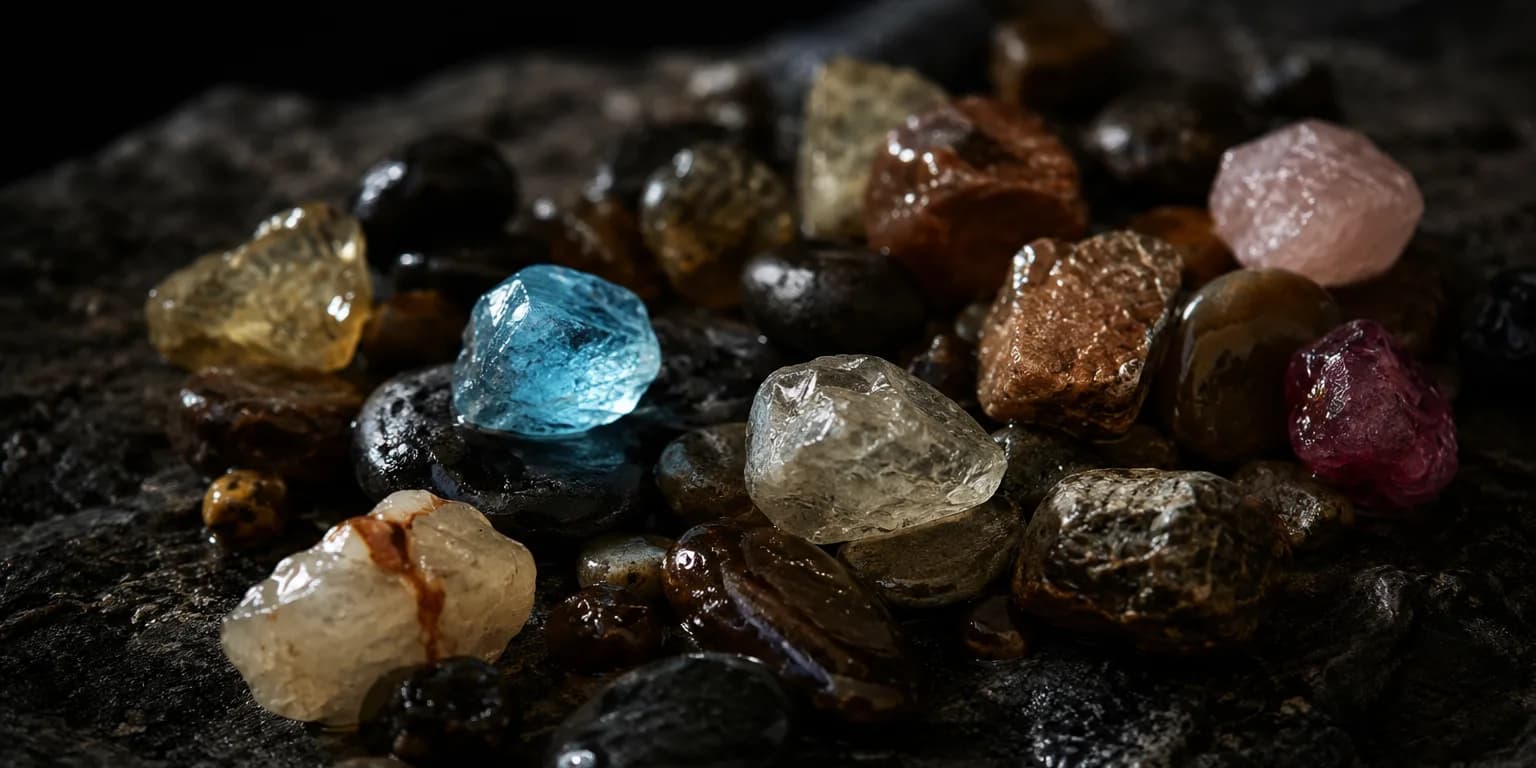
Sri Lankan jewellery grew out of the island's ancient gemstone trade and a long goldsmithing tradition sustained by royal courts, temples and family custom. Over time, regional styles such as Kandyan court jewellery and Tamil wedding jewellery took distinct shape, and colonial-era trade added further influences. The craft survives today in workshops that still use many traditional techniques.
Sri Lanka's jewellery is best understood as the meeting of two inheritances: a landscape unusually rich in gem materials, and a craft culture that learned, over many generations, how to honour them in metal. This article traces that story in broad strokes, deliberately cautious about dates and attributions, which belong to specialists, but confident about the shape of the tradition.
An Island Known for Its Stones
Long before modern gemmology, Sri Lanka was known to traders across Asia and beyond as a source of fine coloured stones. Historic accounts of the island frequently mention its gems, and the trade they describe is traditionally understood to reach back many centuries. That reputation mattered for jewellery: where stones are found, cutting and setting skills follow, and goldsmiths have long worked close to the island's gem trade. The most famous product of that connection, the Ceylon sapphire, still anchors the island's jewellery identity today.
Courts, Temples and the Goldsmith's Craft
Across South Asia, fine metalwork was traditionally sustained by royal patronage and religious institutions, and Sri Lanka is generally understood to share that pattern. Goldsmithing was historically a specialised, often hereditary occupation, with skills passed down within families and communities of craftsmen.
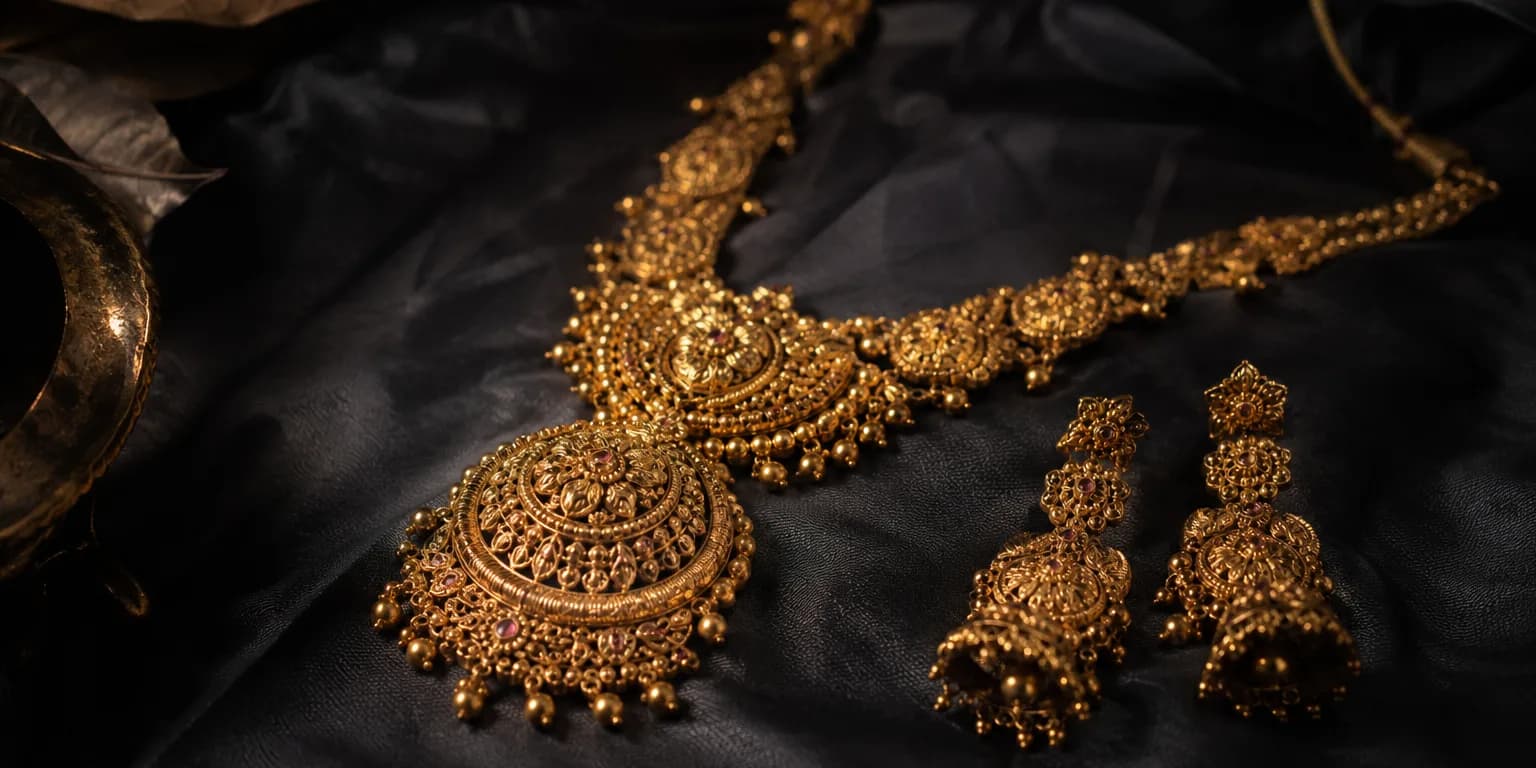
The most visible surviving expression of court-linked craft is the Kandyan tradition, associated with the hill-country royal court and its ceremonial dress. Its layered necklaces and ornate forms are still worn by brides today, making it one of the clearest living links to older courtly aesthetics.
Regional Traditions Take Shape
Different communities on the island developed their own jewellery languages. Tamil communities, particularly in the north around Jaffna, maintained wedding and temple-inspired jewellery traditions in which the thali, the marriage pendant, holds central importance. Low-country and coastal styles evolved separately again, and silver work developed a strong craft identity in several regions.
These strands were never sealed off from one another. Motifs, techniques and forms travelled between communities and workshops, which is part of why the island's traditional jewellery is best described as a family of related styles rather than a single canon. Our guide to traditional Sri Lankan jewellery examines the forms in more detail.
Colonial Trade and Coastal Workshops
From the early modern period onward, successive European powers controlled the island's coastal trade, and jewellery inevitably felt the effects. Port towns became meeting points between local craftsmanship and foreign demand; Galle in particular is traditionally associated with jewellery and gem trading shaped by this exchange. European fashions, tools and commercial practices are generally understood to have entered local workshops during this era, while Sri Lankan stones travelled outward into European jewellery.
The precise commercial history of this period, firms, volumes, workshop organisation, is documented unevenly and deserves careful specialist treatment, so we note it here in general terms only.
From Tradition to the Present Day
The twentieth century brought machine tools, casting and eventually an export-oriented manufacturing sector, yet the older craft culture did not disappear. Family workshops continued to make bridal sets and heirloom pieces to commission, and many still work substantially by hand. Today the historical layers are visible side by side: a bride may wear a Kandyan set rooted in courtly tradition, made this year in a workshop that also produces contemporary designs for export.
Why the History Matters to Buyers
Understanding this background is practical, not merely cultural. It explains why gold is sold and valued the way it is, why handmade work commands respect, and why wedding jewellery carries meanings that a price tag does not capture. Readers planning a purchase can carry that context into our guide to buying jewellery in Sri Lanka.
Frequently asked questions
How old is jewellery making in Sri Lanka?
Jewellery making in Sri Lanka is generally understood to be an ancient craft connected to the island's long-documented gemstone trade. Precise dating of its origins is a matter for archaeologists and historians, so this article describes the tradition's depth without asserting specific dates.
What is Kandyan jewellery's historical background?
Kandyan jewellery is associated with the hill-country royal court tradition, where elaborate gold ornaments formed part of ceremonial dress. Its forms are best known today through the full Kandyan bridal set.
Did colonial rule influence Sri Lankan jewellery?
Coastal trade under successive colonial powers is traditionally associated with new stylistic influences, tools and export markets. Towns such as Galle became known as centres where local craft met international demand.
Are traditional techniques still used today?
Yes. Many Sri Lankan workshops still practise hand fabrication, filigree and other traditional techniques, often alongside modern methods such as casting.
Sources
- Publicly documented Sri Lankan cultural heritage; specific historical claims pending expert review, This article describes broad historical developments in cautious terms; dates, dynasties and archaeological attributions are intentionally not asserted.
External references are provided for verification. Listing a source does not imply affiliation or endorsement.
Seen something that needs correcting? Read how corrections work or contact the editorial team.
Related Guides
Jewellery
Jewellery in Sri Lanka: An Introduction to the Island's Craft
An editorial introduction to jewellery in Sri Lanka, its traditions, gold culture, gemstones and craftsmanship, and how to explore each subject in depth.
3 min read
Jewellery
What Is Traditional Sri Lankan Jewellery?
A survey of traditional Sri Lankan jewellery, Kandyan, Tamil and low-country styles, classic motifs, materials and the ceremonial roles pieces still play.
3 min read
Jewellery
What Is Kandyan Jewellery?
Kandyan jewellery explained, the hill-country tradition associated with Sri Lanka's royal court, the classic bridal set, its forms, and how it is worn today.
3 min read
Jewellery
What Are the Tamil Jewellery Traditions of Sri Lanka?
Tamil jewellery traditions in Sri Lanka, the thali and wedding gold, temple-inspired design, Jaffna's goldsmithing heritage and how the customs live on today.
3 min read