Moonstone
Sri Lanka's luminous gift of blue sheen
Moonstone is a feldspar gem prized for adularescence, a soft, billowing glow that drifts across the stone like moonlight. Sri Lanka is closely associated with moonstone, above all the material from Meetiyagoda in the island's south-west, whose near-transparent stones with strong blue sheen are highly regarded in the trade.
Updated:
Natural Beauty
From Sri Lanka
Durability
Mohs 6–6.5
Treatments
Typically untreated
Overview
The gem is a traditional alternative birthstone for June.
Colours
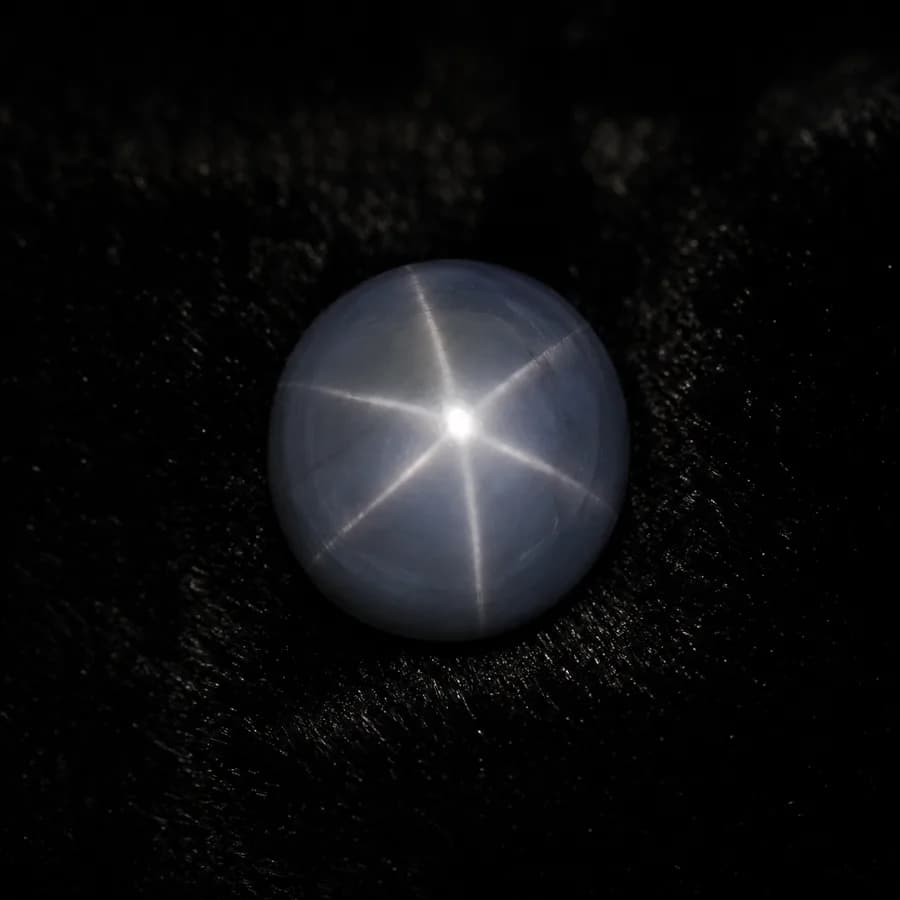
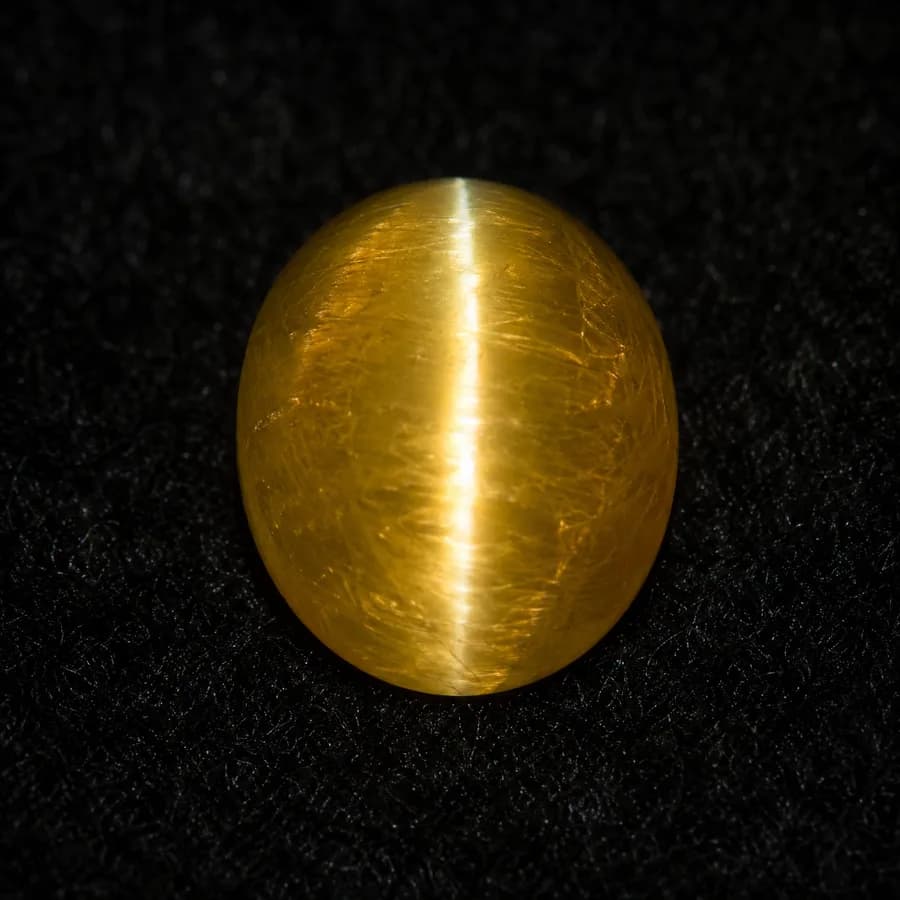
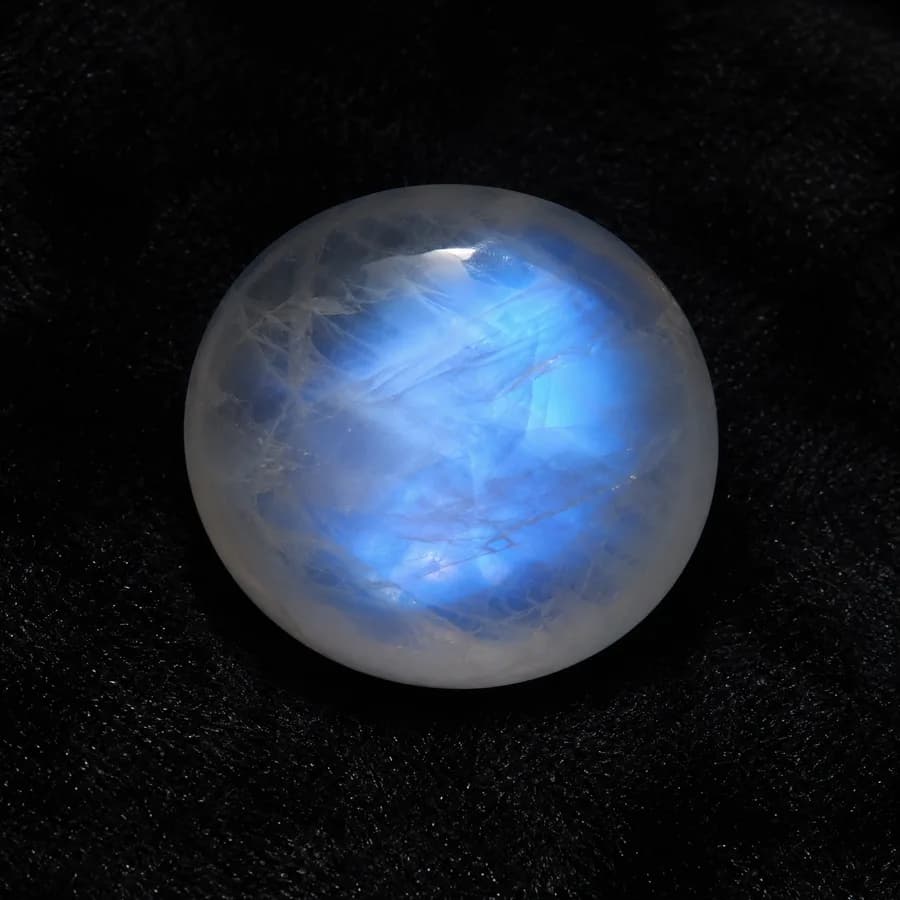
Moonstone's beauty lies less in body colour than in adularescence, the floating sheen created by light scattering from microscopically thin alternating layers of feldspar within the stone. The most prized combination, closely associated with Sri Lanka, is a near-colourless, highly transparent body with a strong electric-blue sheen. Silvery and white sheens are more common and more affordable, and body colours also include grey, cream, peach and brownish tones from other sources. The blue effect is directional, rolling across the dome as the stone moves. Some moonstones additionally display a cat's eye effect or, rarely, a star. Fine blue-sheen material has become scarcer over the years, adding to its desirability.
Quality Factors
The finest moonstones combine high transparency, a clean interior, and strong blue adularescence that is centred and lively on the dome. Semi-transparent to transparent stones outrank opaque ones, and a sheen that only appears at extreme angles is less valued than one visible in normal wear. Characteristic internal marks of moonstone include tiny stress fissures known in the trade as centipedes; heavy inclusions dull the glow. Cabochon proportions matter, since a well-domed, symmetrical cut focuses the effect. Fine Sri Lankan blue-sheen moonstone in larger sizes is genuinely scarce and priced accordingly, while attractive silvery stones remain accessible. Judge moonstone in person, moving it under light, rather than from static images.
Treatments
Moonstone is typically untreated: the adularescence is entirely natural and no routine enhancement exists for the fine material. Coatings or impregnations occasionally appear on low-grade stones and, like every treatment, should be disclosed at every stage of sale under international trade standards such as CIBJO's Gemstone Book (Blue Book). The buyer's practical concerns are identification and substitution, opalescent glass, synthetic spinel with a sheen-like effect, and other feldspars such as labradorite (including the material sold as rainbow moonstone) can be confused with orthoclase moonstone. A gemmological laboratory can confirm species and natural character quickly. For fine blue-sheen Sri Lankan stones commanding significant prices, documentation from a recognised laboratory is a sensible safeguard.
CIBJO’s Gemstone Book, one of the Blue Book standards published by the World Jewellery Confederation, calls for every treatment to be disclosed at each sale, and consumer law in many countries separately requires material facts such as treatment to be disclosed. Undisclosed treatment is grounds to walk away, see our guide to heated versus unheated stones.
Origin in Sri Lanka
Sri Lanka is the origin most celebrated for fine moonstone, and Meetiyagoda in the island's south-west is the locality synonymous with the gem: its shafts and pits have long produced near-transparent moonstone with the coveted blue sheen. Moonstone also occurs elsewhere on the island among the wider gem gravels. India is another major producer, supplying much of the world's peach, grey and cat's-eye moonstone, and material comes from Madagascar, Myanmar and Tanzania. The moonstone mines of Meetiyagoda are a visitor attraction as well as a working source, and Sri Lankan blue-sheen stones remain the reference against which others are measured.
Origin describes where a stone was mined, it is not a grade, and trade terms such as “Ceylon” are origin descriptions, never an automatic premium. A fine stone from elsewhere can outclass a mediocre stone from a famous source; judge colour, clarity, cut and treatment first. Remember also that a laboratory origin determination is an expert opinion based on inclusions and chemistry, not an infallible guarantee, and a seller’s origin claim is not laboratory confirmation. Origin claims belong on the invoice and, for important stones, in a report.
Care
Moonstone needs gentler treatment than the corundum family: at hardness 6 to 6.5 with pronounced cleavage, it can scratch and chip more readily, so it suits pendants and earrings especially well, and rings benefit from protective settings and mindful wear. Never use ultrasonic or steam cleaners, clean with lukewarm soapy water, a soft cloth or very soft brush, and pat dry. Avoid knocks, sudden temperature changes and contact with harder gems in storage; keep moonstone jewellery in its own pouch. Remove rings for housework, sport and gardening. With this modest care, the gem's glow lasts indefinitely, and light repolishing can revive a dome dulled by years of wear.
As a Loose Stone
Where It Is Found in Sri Lanka
- Meetiyagoda
- Ratnapura
Common Treatments at a Glance
- Typically untreated
All treatments must be disclosed at sale. See our treatment guides and treatment reports.
Moonstone: frequently asked questions
What makes Sri Lankan moonstone special?
Sri Lanka, and Meetiyagoda in particular, is renowned for moonstone that combines high transparency with a strong blue adularescence, the most sought-after look for the gem. Such material is scarce, and the island's name has been attached to fine moonstone for generations.
Is rainbow moonstone real moonstone?
The material sold as rainbow moonstone is generally a variety of labradorite, a related feldspar, rather than orthoclase moonstone. It is a genuine natural gem but a different species with a multicoloured sheen. Sellers should identify it accurately; a laboratory can confirm which feldspar you have.
How can I tell if a moonstone is real?
Opalescent glass and other imitations can mimic moonstone's glow superficially, but the directional, rolling character of true adularescence is difficult to fake convincingly. Reliable identification requires a gemmologist or laboratory, which is recommended for fine blue-sheen stones carrying premium prices.
Is moonstone durable enough for a ring?
Moonstone is softer than most ring gems and has cleavage, so it can chip if struck. It works in rings with protective settings for careful wearers, but pendants and earrings are safer homes. Remove moonstone rings for manual work and clean them only by gentle hand washing.