Jewellery
What Counts as Fine Jewellery in Sri Lanka?
What fine jewellery means, precious metals, genuine gemstones and quality workmanship, and how Sri Lanka's sapphires and craft heritage shape the category.
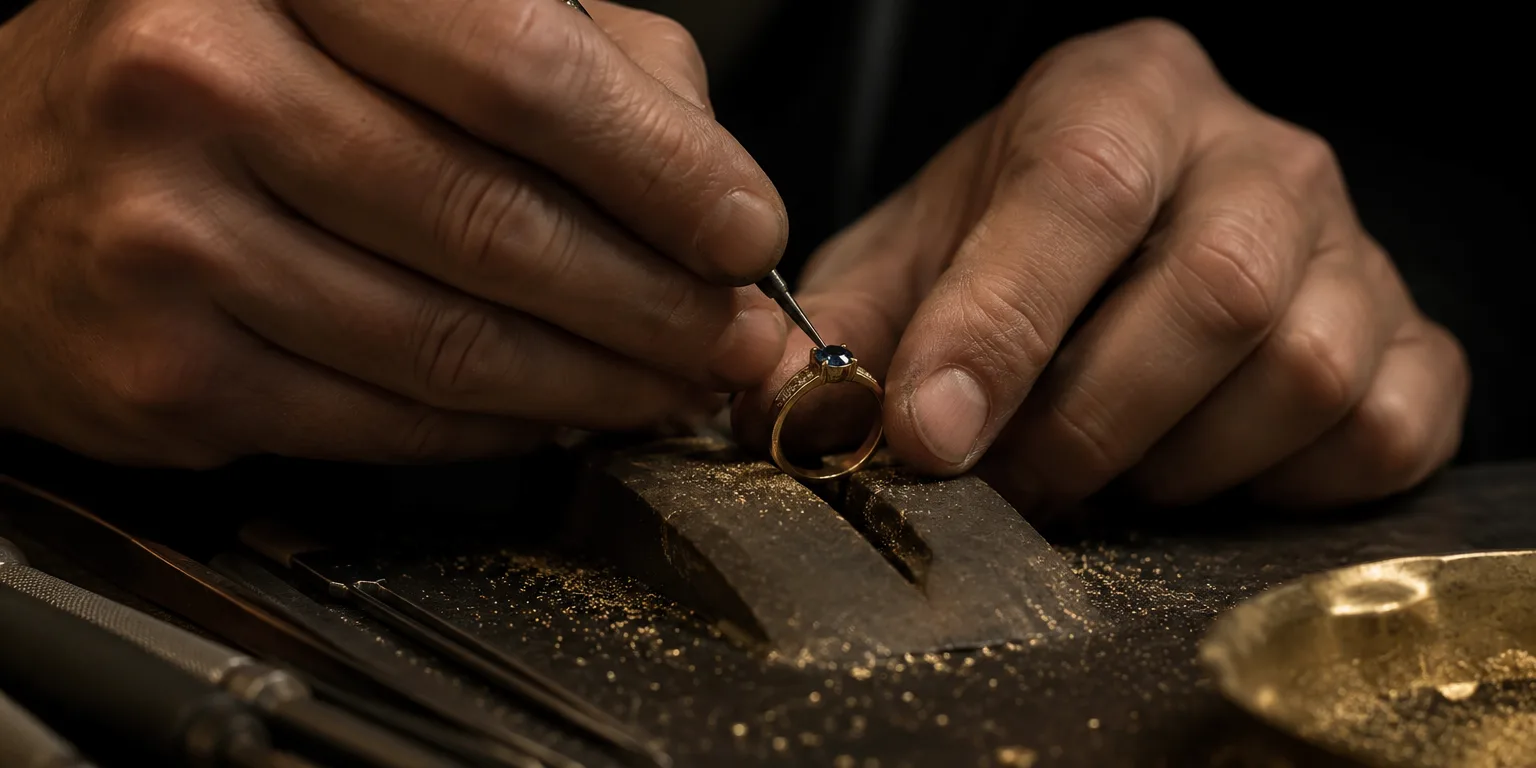
Fine jewellery is made of precious metals, typically gold, platinum or silver, set with genuine gemstones and finished to a high standard of workmanship. In Sri Lanka the category is shaped by the island's own strengths: fine coloured stones, above all Ceylon sapphires, and a deep bench of setting and goldsmithing skill. Documentation of metal fineness and gemstone identity is what separates fine jewellery from fashion pieces.
"Fine jewellery" is one of those phrases the trade uses constantly and defines rarely. Used properly, it names a specific standard: precious metals, genuine gemstones and workmanship good enough to honour both. In Sri Lanka the phrase carries extra resonance, because the island supplies the world with exactly the stones, sapphires first among them, around which fine jewellery is built.
The Three Tests
A piece earns the label by passing three tests together.
Precious metal. Gold, platinum or silver of stated fineness, marked and documented. Plated or base-metal pieces, however attractive, belong to fashion jewellery. Reading fineness marks is a learnable skill, our gold hallmarks guide covers it.
Genuine gemstones. Natural or honestly disclosed stones with identity and treatments stated in writing. International trade bodies maintain nomenclature standards precisely so that a sapphire on an invoice means a sapphire in the setting.
Workmanship. Sound construction, secure and even setting, clean finishing front and back. This third test is the one buyers most often skip, and the one that most separates comparable pieces.
Fail any test and the piece may still be worth owning, but it is not fine jewellery, and should not be priced as such.
Sri Lanka's Claim on the Category
Few countries have a stronger natural claim. The island's gem fields supply the coloured stones, the Ceylon sapphire in blue, pink, yellow and the celebrated padparadscha range, moonstone, spinels, garnets and more, while generations of goldsmiths and setters supply the hands. The result is a market where a buyer can be unusually close to both the stone's source and the maker's bench, with the price advantages that proximity brings.
That proximity cuts both ways: the same market contains superb and mediocre work side by side, which is why the documentation habit matters more here, not less.
Workmanship: Where Quality Hides
Two sapphire rings of equal stone quality can differ sharply in worth, and the difference lives in details most buyers never inspect. Look at the setting: prongs even, tips smooth, the stone level and secure. Look at the back: fine work is finished where no one sees. Feel the weight and edges: solid construction, no sharp or thin spots. Hand-fabricated and hand-finished pieces often show their quality exactly here, as our handmade jewellery explainer describes.
Paperwork Is Part of the Piece
In practice, what separates fine jewellery from everything else is that its claims are provable. The invoice should state metal, fineness, weight, each stone's identity, weight and treatment status, and the price. Significant stones deserve an independent laboratory report. Keep it all together permanently: for insurance, for resale, and for whoever inherits the piece. The full discipline is laid out in buying jewellery in Sri Lanka.
Buying Fine Jewellery on the Island
Ready-made fine jewellery is sold across Colombo and the main centres, contemporary studios offer design-led pieces, see contemporary Sri Lankan jewellery, and commissioning remains the classic route for important pieces, covered in our custom jewellery guide. Whichever route you take, compare sellers, verify claims and use the jewellery price calculator to separate metal value from workmanship in a quote. Sellers and workshops can be found through the directory.
Fine jewellery rewards patience. The metal is lasting, the stones are older than the island's history, and a well-made piece will outlive its first owner, which is, in the end, the standard the label promises.
Frequently asked questions
What is the difference between fine jewellery and fashion jewellery?
Fine jewellery uses precious metals and genuine gemstones with documented identity; fashion jewellery uses base metals, plating and imitation or no stones. The practical dividing line is documentation, fine jewellery can prove what it is.
Is Sri Lanka a good place to buy fine jewellery?
The island offers genuine advantages: proximity to fine coloured stones, skilled workmanship and competitive making costs. The market also varies widely in quality, so the standard checks, written disclosure, comparison and laboratory reports for significant stones, remain essential.
Does fine jewellery hold its value?
Precious metal content holds intrinsic value, and fine gemstones can hold or gain value, but resale prices depend on documentation, quality and market demand. Pieces kept with complete paperwork are always easier to value and to sell.
What should the invoice for a fine jewellery purchase state?
The metal and its fineness, the piece's weight, each gemstone's identity, weight and treatment status, and the price. For significant stones, an independent laboratory report should accompany the invoice.
Sources
- CIBJO, The World Jewellery Confederation, Nomenclature and disclosure standards for precious metals and gemstones
- Gemological Institute of America (GIA), Gemstone quality factors referenced in general terms
- International Gem Society (IGS), General jewellery quality and setting concepts
External references are provided for verification. Listing a source does not imply affiliation or endorsement.
Seen something that needs correcting? Read how corrections work or contact the editorial team.
Related Guides
Jewellery
What Does Contemporary Sri Lankan Jewellery Look Like?
How contemporary Sri Lankan jewellery blends heritage craft with modern design, minimalist gem-set work, designer studios, export ambitions and new buyers.
3 min read
Jewellery
How Does Custom Jewellery Work in Sri Lanka?
How commissioning custom jewellery works in Sri Lanka, the design process, choosing stones and metal, agreeing costs, timelines and the paperwork to insist on.
3 min read
Jewellery
Jewellery in Sri Lanka: An Introduction to the Island's Craft
An editorial introduction to jewellery in Sri Lanka, its traditions, gold culture, gemstones and craftsmanship, and how to explore each subject in depth.
3 min read
Jewellery
What Makes Handmade Jewellery Different?
What handmade jewellery means in Sri Lanka, traditional techniques, how handwork differs from casting, how to recognise it and why buyers pay more for it.
3 min read