Sapphire Centre
Natural vs Synthetic Sapphire: How Do They Differ?
The real differences between natural and synthetic sapphire, how lab-grown corundum is made, how gemmologists tell them apart and what each is worth.
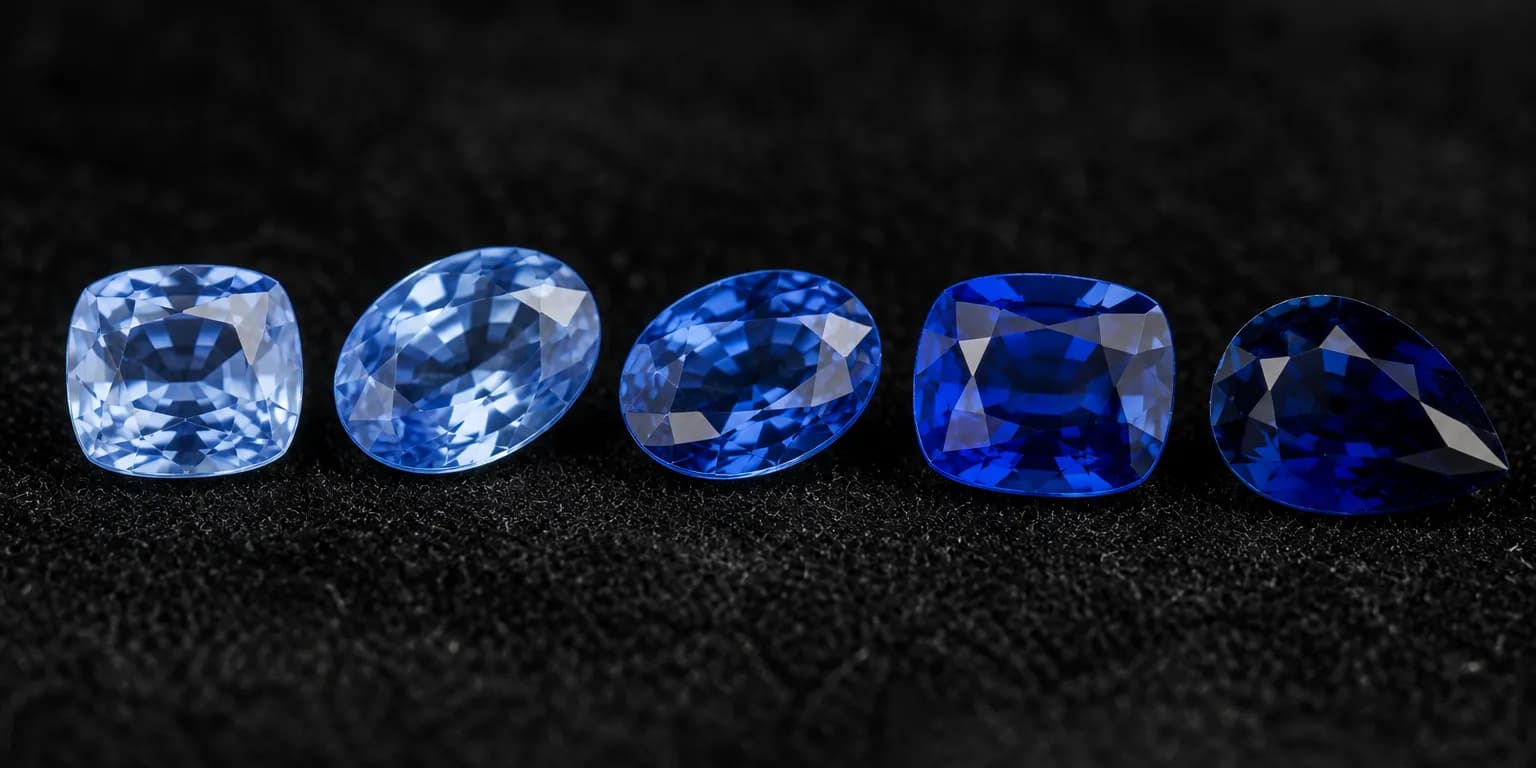
A synthetic sapphire is corundum grown in a laboratory or factory with essentially the same chemical composition and physical properties as natural sapphire; it is a real material but not a natural gem. Gemmologists separate the two by their internal features, curved growth lines and gas bubbles betray synthetics, while natural inclusions and growth patterns confirm a stone formed in the earth. Synthetics are legitimate products when disclosed, and they trade at a small fraction of natural sapphire prices.
Every serious sapphire purchase eventually meets one question before all others: did this stone form in the earth, or in a factory? Synthetic sapphire has existed commercially for over a century, it is chemically genuine corundum, and at its best it is visually indistinguishable from natural stone across a counter. Understanding how the two differ, and how professionals separate them, is fundamental protection for any buyer.
What "Synthetic" Actually Means
A synthetic sapphire is corundum crystallised by people rather than by geology, with essentially the same chemical composition, crystal structure, hardness and optical properties as the natural gem. It is not an imitation: blue glass or synthetic spinel imitating sapphire are different materials entirely. A synthetic is the same material with a different biography, and in gems, biography is most of the value.
Disclosure rules reflect this. Trade standards require synthetics to be described plainly as synthetic, laboratory-grown or laboratory-created, and never in language that blurs them into natural production.
How Synthetic Sapphire Is Made
The oldest and cheapest method, flame fusion, melts alumina powder in a flame so that it crystallises into a carrot-shaped boule; it has supplied inexpensive synthetic corundum since the early twentieth century. Flux growth dissolves alumina in a molten chemical bath and crystallises it slowly, producing more convincing crystals at a higher cost. Hydrothermal growth mimics natural conditions in heated, pressurised solutions, while crystal pulling draws large crystals from a melt, largely for industry.
The method matters to buyers for one reason: each process leaves fingerprints inside the crystal, and those fingerprints are how the truth is read.
How Gemmologists Tell Them Apart
Identification rests on the interior. Natural sapphires carry the evidence of slow geological growth, mineral crystals, silk, fingerprints, angular colour zoning, described in our guide to sapphire inclusions. Flame-fusion synthetics instead show curved growth lines (striae) and rounded gas bubbles, features impossible in natural corundum. Flux-grown stones may contain wisps of flux and traces of their growth environment; hydrothermal material shows its own telltale growth patterns.
Difficult cases exist, clean natural stones and sophisticated synthetics can each withhold easy answers, and these are settled by laboratories with spectroscopy and trace-element chemistry. This is a core function of the reports discussed in sapphire origin reports and how to read a gem report.
Natural and Synthetic Compared
| Natural sapphire | Synthetic sapphire | |
|---|---|---|
| Formation | Grown in the earth over geological time | Grown by an industrial process |
| Material | Corundum | Corundum, same chemistry and hardness |
| Internal features | Natural inclusions, silk, angular zoning | Curved striae, gas bubbles or flux residues |
| Rarity | Genuinely limited, especially at fine quality | Manufactured at scale |
| Price | Full gem pricing driven by quality and rarity | A small fraction of natural prices |
| Disclosure | Sold as natural, treatments disclosed | Must be sold as synthetic or laboratory-grown |
| Role | Gem, heirloom, collectable | Affordable jewellery, industry, honest budget option |
Value and the Case for Each
Natural sapphire's value rests on rarity and the accident of geology; synthetic sapphire's appeal rests on affordability and consistency. Both are legitimate purchases, a disclosed synthetic can be a sensible choice for everyday jewellery. What is never legitimate is the gap between them exploited in silence: a synthetic sold at natural prices is one of the oldest frauds in the trade.
Protecting Yourself
Ask every seller, explicitly and in writing, whether a stone is natural or synthetic, and make sure the word "natural" appears on the invoice. For any significant stone, buy subject to verification by an independent laboratory. The complete question list and process are in buying a loose sapphire and red flags when buying gemstones.
Frequently asked questions
Is a synthetic sapphire a fake?
Not in the material sense, it is real corundum with sapphire's chemistry and hardness. It becomes a deception only when sold as natural. The correct terms are synthetic, laboratory-grown or laboratory-created; an imitation, by contrast, is a different material altogether, such as glass or synthetic spinel.
Can a jeweller tell natural from synthetic sapphire by eye?
Usually not with certainty. Fine synthetics can look identical to natural stones face-up. The distinction rests on internal features seen under magnification and, in difficult cases, on advanced laboratory analysis.
Do synthetic sapphires have inclusions?
They can, but different ones. Flame-fusion stones may show curved growth lines and gas bubbles, while flux-grown synthetics can contain flux residues. What they lack are the natural mineral inclusions, silk and growth features formed only in the earth.
Will a synthetic sapphire hold its value?
Synthetic sapphire is manufactured at scale, so it lacks the rarity that underpins gem value. It should be bought for its appearance and low price, never as a store of value.
Related terms
Sources
- Gemological Institute of America (GIA), Synthetic corundum growth methods and identification
- International Gem Society (IGS), Consumer-level distinctions between natural and synthetic sapphire
- CIBJO, The World Jewellery Confederation, Nomenclature and disclosure rules for synthetic gem materials
- GIA: Sapphire Description, Sapphire as corundum; natural colour causes
External references are provided for verification. Listing a source does not imply affiliation or endorsement.
Seen something that needs correcting? Read how corrections work or contact the editorial team.
Related Guides
Sapphire Centre
What Are the Inclusions Found in Sapphires?
A guide to sapphire inclusions, silk, crystals, fingerprints and zoning, and how these internal features reveal origin, treatment and authenticity.
3 min read
Sapphire Centre
What Is a Sapphire Origin Report?
How laboratories form opinions on where a sapphire was mined, why origin conclusions are opinions rather than guarantees, and how to use them when buying.
3 min read
Sapphire Centre
How Do You Buy a Loose Sapphire?
A practical process for buying a loose sapphire, examining the stone, questioning the seller, verifying claims and securing the right documents.
3 min read
Sapphire Centre
What Is a Ceylon Sapphire?
What a Ceylon sapphire actually is, where Sri Lankan sapphires are mined, how laboratories assess origin and why the name alone never guarantees quality.
3 min read