Certificates
How Do You Read a Gem Report, Field by Field?
A field-by-field walkthrough of a generic laboratory report, report number, species, variety, weight, measurements, colour, treatment comments and origin.
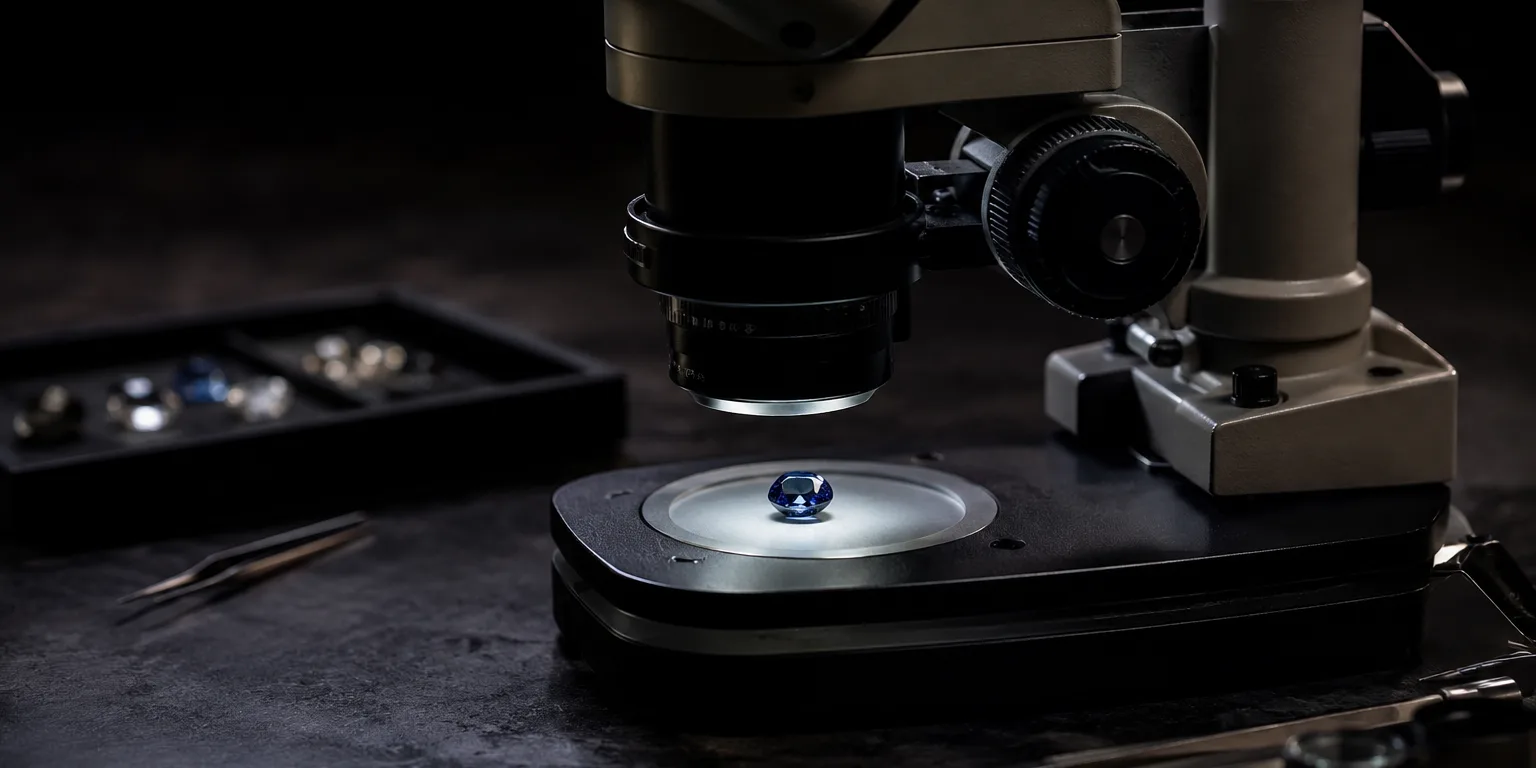
Read a gem report from the top: confirm the report number and date, then the species and variety, then check that the weight and measurements match the stone in front of you. Next read the shape, cut and colour descriptions, and finish with the treatment and comments section, often the most commercially important lines on the page.
A laboratory report is only useful if you can read it. Layouts, typefaces and security features differ from one laboratory to another, but the underlying fields are remarkably consistent, because they answer the same questions everywhere. This guide walks through a generic report from top to bottom. It describes no particular laboratory's format; it describes what the fields mean wherever you meet them.
Report Number and Date
Every report carries a unique number and the date of examination. The number is the document's identity: it is what you quote if you contact the laboratory, and what many laboratories let you enter into an online lookup, as explained in our guide to report verification.
The date matters too. A report describes the stone as it was examined on that day. A very old report on a stone that has since been recut or remounted no longer describes what you are holding.
Species and Variety
The identification usually appears as two linked statements. The species is the mineral itself, corundum, beryl, spinel. The variety is the gem name within that species, sapphire, emerald and so on. Together they tell you precisely what the stone is, which is the core purpose of a gem report.
Alongside, the report states whether the stone is natural or synthetic. This single word carries enormous commercial weight, so it is stated explicitly rather than assumed.
Weight and Measurements
The carat weight, usually to two decimal places, and the measurements in millimetres tie the paper to one specific stone. This is your first practical check: a stone whose weight or dimensions do not match the report is simply not the stone the report describes.
Where possible, have the stone weighed in front of you and compare the figure yourself. Small discrepancies from remounting tolerance aside, the numbers should agree.
Shape, Cut and Colour
The report describes the outline (oval, cushion, round), the cutting style (faceted, cabochon) and the colour in the laboratory's standard vocabulary. Colour wording is descriptive rather than a grade in most coloured-stone reports; treat it as identification detail rather than a quality score.
Treatment and Comments
For coloured stones, this is often the section that moves the price. Here the laboratory discloses detected treatments, for sapphires, most commonly whether there is evidence of heating, using its own standard phrasing. Our guide to treatment reports explains the common wordings, and the commercial difference is set out in heated versus unheated sapphire.
Read the comments in full. Anything the laboratory considered worth stating, additional observations, limitations of the examination, appears here.
Origin, Where Present
Some reports for certain species include a geographic origin opinion, either on the main document or as a separate origin report. The wording is deliberately careful, because origin is a professional opinion built from inclusions and chemistry rather than a measurable fact. What that opinion rests on, and what it is worth, is covered in our guide to origin reports.
Putting It Together
Reading a report well takes about two minutes: number and date, identity, weight against the stone, colour and cut, then treatments and comments. If any field is missing, vague or contradicts what the seller told you, pause. Our certificate explainer walks through these fields interactively, and the practical buying checks are covered in how to check a gem certificate.
Frequently asked questions
What is the most important field on a gem report?
For confirming you are holding the right stone, the weight and measurements. For value, usually the identification and the treatment or comments section, which states whether the stone is natural and what treatments were detected.
Why do reports state species and variety separately?
Species is the mineral (for example corundum); variety is the commercial gem name within it (for example sapphire). Stating both removes ambiguity, since one species can include several varieties with very different values.
What does the comments section of a gem report mean?
It carries the laboratory's findings that do not fit the standard fields, most importantly treatment disclosures, expressed in each laboratory's standard wording. Read it as carefully as the identification itself.
Do all gem reports include an origin opinion?
No. Origin is typically a separate service offered for certain species, and many identification reports say nothing about geographic origin at all. Where origin appears, it is stated as an opinion.
Related terms
Sources
- Gemological Institute of America (GIA), General structure of gemmological reports, reference only, no affiliation
- SSEF, Swiss Gemmological Institute, Coloured-stone report terminology, reference only, no affiliation
External references are provided for verification. Listing a source does not imply affiliation or endorsement.
Seen something that needs correcting? Read how corrections work or contact the editorial team.
Related Guides
Certificates
What Are Gem Certificates and What Do They Actually Tell You?
An overview of gemstone laboratory reports, what identification, origin and treatment documents cover, what they cannot guarantee, and why they matter.
3 min read
Certificates
How Do Laboratory Reports Disclose Gemstone Treatments?
How laboratories detect and disclose gemstone treatments, why the wording on a report matters, and how treatment findings change what a stone is worth.
2 min read
Certificates
How Do You Verify That a Laboratory Report Is Genuine?
How to check a gem laboratory report using online report-number lookup, document security features and a physical comparison between the stone and the paper.
3 min read
Buying Guides
How Do You Check a Gem Certificate Is Genuine?
How to check a gem certificate, matching the report to the stone, verifying it with the issuing laboratory, and spotting altered or invented documents.
3 min read