Buying Guides
What Are the Red Flags When Buying Gemstones?
Ten red flags when buying gemstones, pressure tactics, resale-profit stories, fantasy discounts and documentation dodges, and why each one matters.
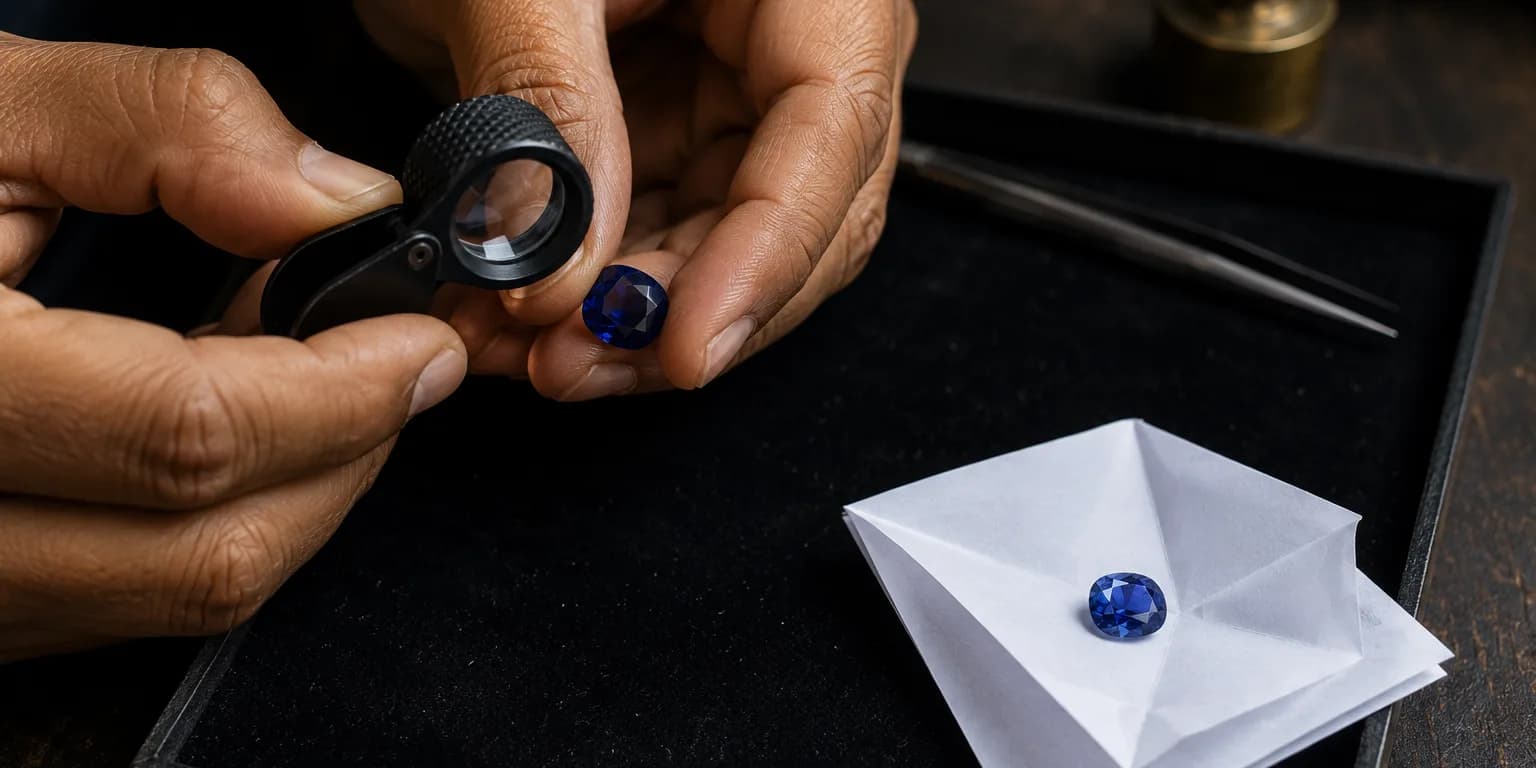
The strongest red flags when buying gemstones are refusal to put claims in writing, pressure to buy immediately, stories of guaranteed resale profit, prices far below every comparable quote, refusal of independent laboratory verification, and invoices vaguer than the sales talk. Any one of them is reason to slow down; several together are reason to leave.
Gem deceptions vary in their details but repeat their structure. The same handful of pressures, stories and paperwork dodges appear wherever gems are sold to people who cannot easily come back, which is why a list of red flags works. Here are ten, each with the reason it matters. One strong flag is grounds to stop; a cluster of weak ones is grounds to leave politely and compare elsewhere.
Pressure and Theatre
1. The deal that cannot wait. "Closing today", "another buyer is coming", "this price only while you are here". Why it matters: every deception depends on preventing reflection, comparison and verification. Real dealers sell to people who come back tomorrow; the value of a genuine stone does not expire at sunset.
2. The price that collapses when you walk. An opening price that drops by half the moment you turn to the door. Why it matters: the first number was invented, and the "discount" is calibrated to your hesitation, not to the stone. You have learned only that the seller prices people, not gems.
3. The engineered encounter. The helpful stranger, the driver's cousin, the "gem mine tour" ending in a sales room, the invitation to a private house. Why it matters: these settings are chosen to remove the protections of an established shopfront, records, reputation, and somewhere to return to. The advice in our tourist guide to buying gems exists largely because of this pattern.
Stories About Money
4. Guaranteed resale profit. You are told the stone can be sold at home, or to a partner office abroad, for more than you are paying. Why it matters: this is the signature move of tourist-targeted gem fraud. If a certain profit existed, the seller would take it. The story exists to justify an inflated price and to recruit your greed against your judgement.
5. A price far below the market. Why it matters: dealers can sell genuine goods at market price all day; they do not need you. A stone at a fraction of every comparable quote is being described by its price, as treated without disclosure, synthetic, imitation, or simply not what the label says.
6. Pressure towards untraceable payment. Cash only for a significant sum, or a transfer to an account that does not match the business name. Why it matters: recourse follows the payment record. A seller who steers you away from traceable payment is planning for the day you want your money back.
Paperwork Dodges
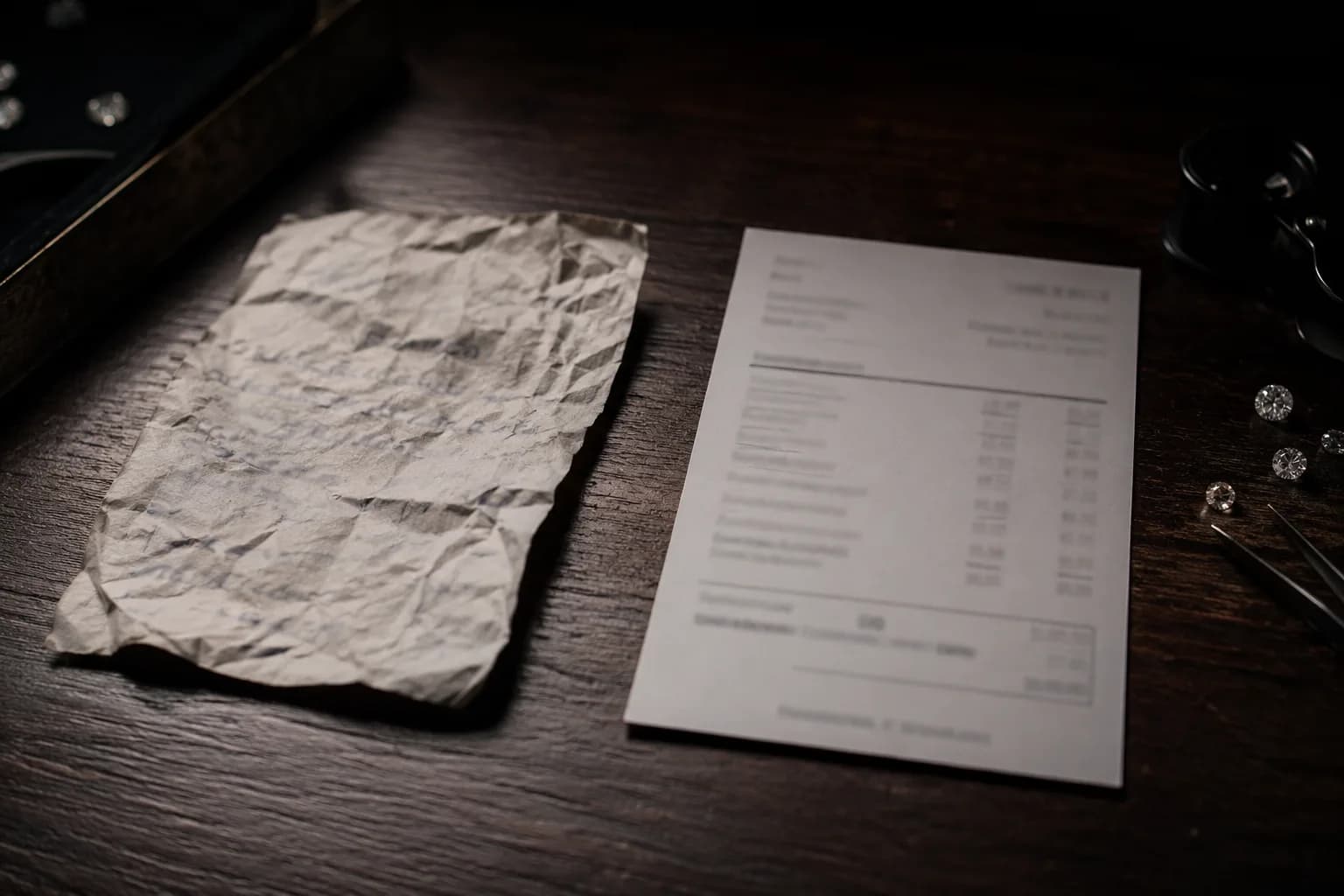
7. Claims that stay verbal. "Unheated", "no treatment", "Ceylon origin", but the invoice will say none of it. Why it matters: whatever a seller will not write down, they do not expect to be held to. Written treatment and identity disclosure is the minimum standard; its absence is a confession in advance.
8. The invoice vaguer than the sales talk. You were sold a "natural unheated blue sapphire"; the receipt says "blue stone". Why it matters: the gap between the pitch and the paper is exactly the gap the seller intends to disappear into. Read the invoice before paying, not after.
9. Refusal of independent verification. The seller resists your having the stone checked by an independent laboratory, or insists only their own certificate counts. Why it matters: a genuine stone passes testing; only a misdescribed one is endangered by it. A reputable dealer treats a gem report request as routine, refusal answers your question. See how to avoid fake gemstones for the verification sequence.
10. The too-convenient certificate. An impressive document from a laboratory you cannot find, or one connected to the seller. Why it matters: certificates are only as good as their issuers, and fabricated or in-house paperwork is a known accessory to misdescribed stones. Check the document as described in fake or altered certificates.
What to Do When You See One
Slow everything down. Ask your remaining questions, require written answers, compare other sellers, and make any significant purchase conditional on independent verification. No genuine opportunity is destroyed by a day's delay, and nothing identifies a false one faster.
Frequently asked questions
What is the biggest red flag when buying gemstones?
Refusal to put claims in writing. A seller who will not state the stone's identity, weight and treatment status on the invoice is telling you the claims will not survive scrutiny.
Why is a very cheap gemstone a warning sign?
Because dealers have access to the same market you do. Genuine material sells at close to market prices; a stone offered far below every comparable quote is almost always misdescribed, treated without disclosure, synthetic or imitation.
Is the 'resell it at home for profit' offer ever genuine?
Treat it as a scam signature. Legitimate dealers do not hand guaranteed profits to passing strangers; the story exists to make an inflated price feel like an opportunity.
Should one red flag stop a purchase?
One strong flag, refusal of written disclosure or of independent verification, should. Softer flags call for slowing down, asking more questions and comparing elsewhere before deciding.
Related terms
Sources
- Gemological Institute of America (GIA), Consumer guidance on gemstone misrepresentation
- International Gem Society (IGS), Documented patterns in gem sales deceptions
- National Gem and Jewellery Authority of Sri Lanka (NGJA), Licensing context for the Sri Lankan gem trade
External references are provided for verification. Listing a source does not imply affiliation or endorsement.
Seen something that needs correcting? Read how corrections work or contact the editorial team.
Related Guides
Buying Guides
How to Buy Gemstones in Sri Lanka Safely and Confidently
A complete guide for tourists, collectors and investors: what to look for, what to ask, what to avoid and how to protect a gemstone purchase in Sri Lanka.
5 min read
Buying Guides
How to Identify Fake Gemstones and Avoid Them When Buying
How to avoid fake gemstones, understanding synthetics, imitations and undisclosed treatments, the checks that genuinely help, and when to use a laboratory.
3 min read
Buying Guides
A Tourist's Guide to Buying Gems in Sri Lanka
A practical guide for visitors buying gems in Sri Lanka, where tourists buy, how to judge what you are shown, paying safely and taking stones home.
3 min read
Certificates
How Can You Spot a Fake or Altered Gem Certificate?
Warning signs of fake or altered gem reports, mismatched weights, edited dates, photocopies in place of originals, and sellers resisting laboratory checks.
3 min read