Sapphire Centre
What Is a Fracture-Filled Sapphire?
How fracture filling with glass disguises breaks in corundum, the signs laboratories look for, and why filled stones need careful handling and full disclosure.
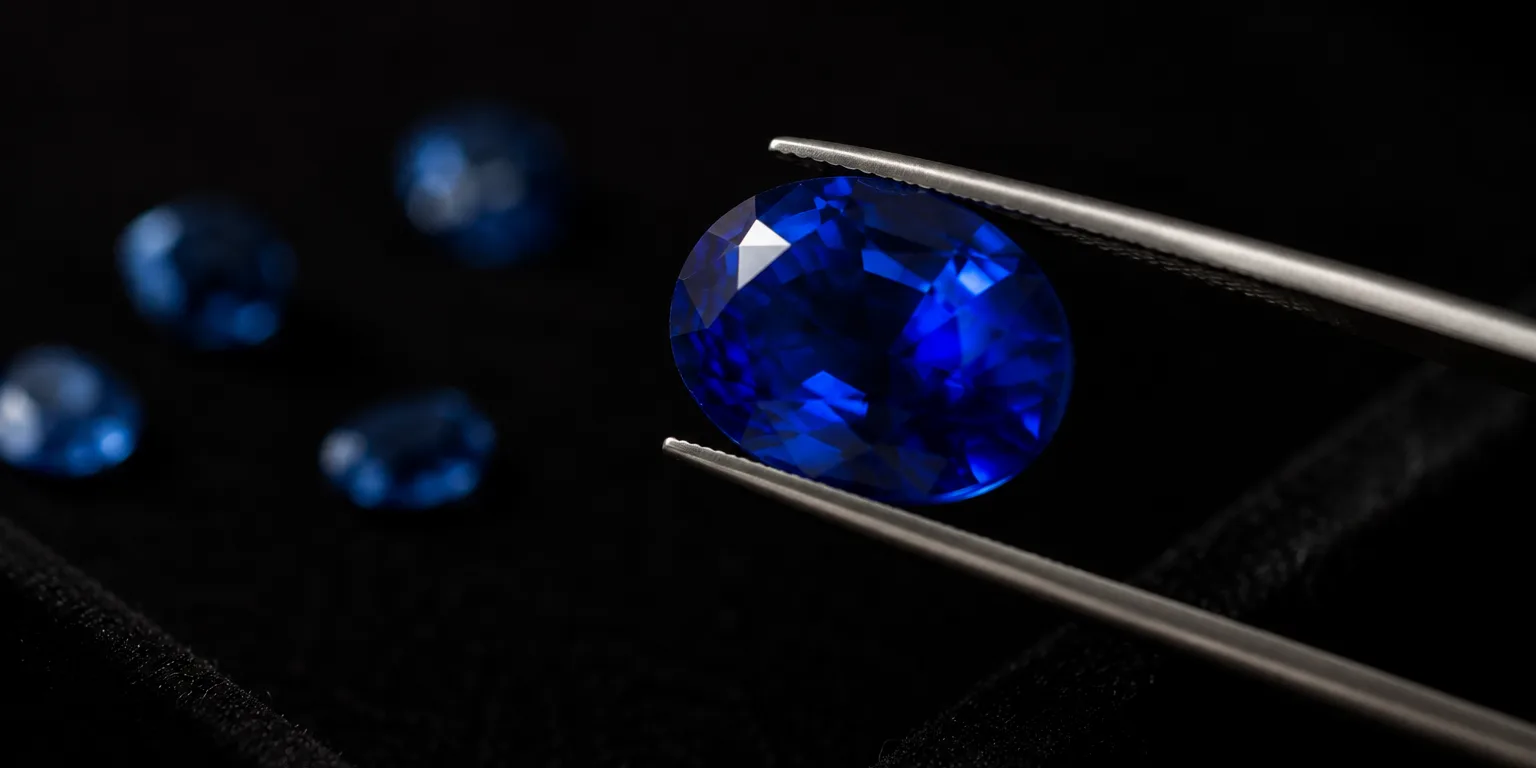
A fracture-filled sapphire has had surface-reaching fractures filled with a foreign substance, most significantly lead glass, to make the breaks less visible and the stone appear clearer. The filling is not permanent: heat from a jeweller's torch, ultrasonic cleaning and common chemicals can damage it. Filled corundum must be fully disclosed, trades at a small fraction of untreated material, and requires distinctly gentler care.
Most sapphire treatments aim to improve what is there. Fracture filling aims to hide what is there, the surface-reaching breaks that would otherwise make a stone visibly flawed and commercially marginal. The technique is far more prominent in ruby, corundum's red sibling, but it appears in sapphire too, and every sapphire buyer should recognise it. Few treatments combine so low a market tier with so high a need for careful handling.
What Fracture Filling Is
Fracture filling introduces a foreign substance into fractures that reach a stone's surface, replacing the air in the break with a material whose optical properties are closer to corundum. Light then passes across the filled break instead of reflecting off it, and the fracture seems to fade. The most significant modern filler is high-lead-content glass, used on heavily fractured material that would otherwise have little gem value; oils and resins appear in other species but glass dominates the corundum story.
The essential point: the fractures do not go away. The stone remains broken inside; the treatment is a disguise, not a repair.
How Filled Stones Are Identified
Under magnification, lead-glass filled corundum tends to reveal itself. The classic sign is the flash effect, a vivid coloured flash, often blue or orange, that sweeps across a filled fracture as the stone is tilted. Flattened gas bubbles trapped in the glass are another frequent giveaway, and the filler may show a slightly different lustre where it reaches the surface.
Identification is nonetheless laboratory work when money is at stake. A report from an independent laboratory will state fillers plainly, and our guide to reading a gem report shows where to look on the document.
Durability: The Real Problem
Untreated sapphire is one of the most durable gems known. A lead-glass filled stone is only as durable as its filler, and the filler is vulnerable in ways that surprise owners.
Heat is the first enemy: the temperatures of a jeweller's torch during resizing or repair can damage or discolour the glass, which is why the treatment must be disclosed to any bench jeweller before work begins. Chemicals are the second: acids and strong cleaning agents, including substances as ordinary as some household cleaners, can etch or cloud the filler. Ultrasonic and steam cleaning add mechanical and thermal stress to fractures that were never healed. Practical care routines are covered in sapphire care.
Disclosure and Value
Trade standards are unambiguous: filling must be disclosed, with lead-glass filled corundum called out explicitly rather than hidden behind a vague "treated". Heavily filled stones are widely regarded as composite products, corundum and glass together, and respectable sellers describe and price them as such.
That pricing is the buyer's compass. Filled corundum occupies a low tier of its own, suited to inexpensive fashion jewellery bought with open eyes. The danger is never the honest filled stone; it is the filled stone priced as though it were merely heated. Where clarity seems remarkable for the price, apply the scrutiny described in sapphire clarity and red flags when buying gemstones.
Practical Guidance for Buyers and Owners
Before buying, ask in writing whether the stone contains any filler and insist the answer appears on the invoice; for anything beyond token value, require an independent laboratory report. After buying, treat the stone gently: soap, warm water and a soft brush; no ultrasonic machines; no harsh chemicals; and full disclosure to any jeweller who works on the piece. A filled stone honestly bought and sensibly kept can give pleasant service, it simply must never be mistaken, in price or in care, for the untreated sapphire it imitates.
Frequently asked questions
Is a fracture-filled sapphire a real sapphire?
The corundum is real, but the stone is a composite of mineral and filler, and heavily filled material is best understood as a manufactured product containing corundum. It must be disclosed as filled and priced accordingly, far below untreated or simply heated sapphire.
How do laboratories detect fracture filling?
Under magnification, filled fractures often show a coloured flash effect that changes with viewing angle, along with trapped gas bubbles within the filler. Laboratories confirm the diagnosis with additional analysis where needed.
Can a fracture-filled sapphire be repaired or resized safely?
Only with precautions. The heat of a jeweller's torch can damage the filler, so the stone should be removed before work or protected by a jeweller who has been told about the treatment. Always disclose the filling to anyone working on the piece.
How should I clean a fracture-filled stone?
With warm water, mild soap and a soft brush only. Avoid ultrasonic and steam cleaners, acids and strong household chemicals, all of which can etch or cloud the filler.
Related terms
Sources
- Gemological Institute of America (GIA), Identification and durability of lead-glass filled corundum
- CIBJO, The World Jewellery Confederation, Disclosure and nomenclature for filled gemstones
- International Gem Society (IGS), Consumer guidance on filled corundum care
- GIA: Sapphire Care and Cleaning Guide, Fracture/cavity filling and its care implications
- CIBJO: The Blue Books, Disclosure standards for treatments
External references are provided for verification. Listing a source does not imply affiliation or endorsement.
Seen something that needs correcting? Read how corrections work or contact the editorial team.
Related Guides
Sapphire Centre
What Is a Diffusion-Treated Sapphire?
How titanium and beryllium diffusion treatments colour sapphires, how laboratories detect them, and why disclosure and pricing differ so sharply.
3 min read
Sapphire Centre
Heated vs Unheated Sapphire: What Is the Difference?
How heat treatment changes sapphires, how laboratories detect it, why unheated stones carry premiums and what disclosure you should insist on.
4 min read
Sapphire Centre
How Should You Care for a Sapphire?
How to clean, wear and store sapphire jewellery safely, including the extra care rules for fracture-filled, diffusion-treated and star sapphires.
3 min read
Sapphire Centre
How Is Sapphire Clarity Judged?
How clarity works in sapphires, the eye-clean standard, common inclusions, silk, and when internal features lower value or actually add to it.
3 min read