Gold & Metals
What Is Platinum and How Does It Compare with Gold?
What platinum is, why the naturally white metal is usually 950 fine in jewellery, how it differs from white gold in wear and weight, and what to check.
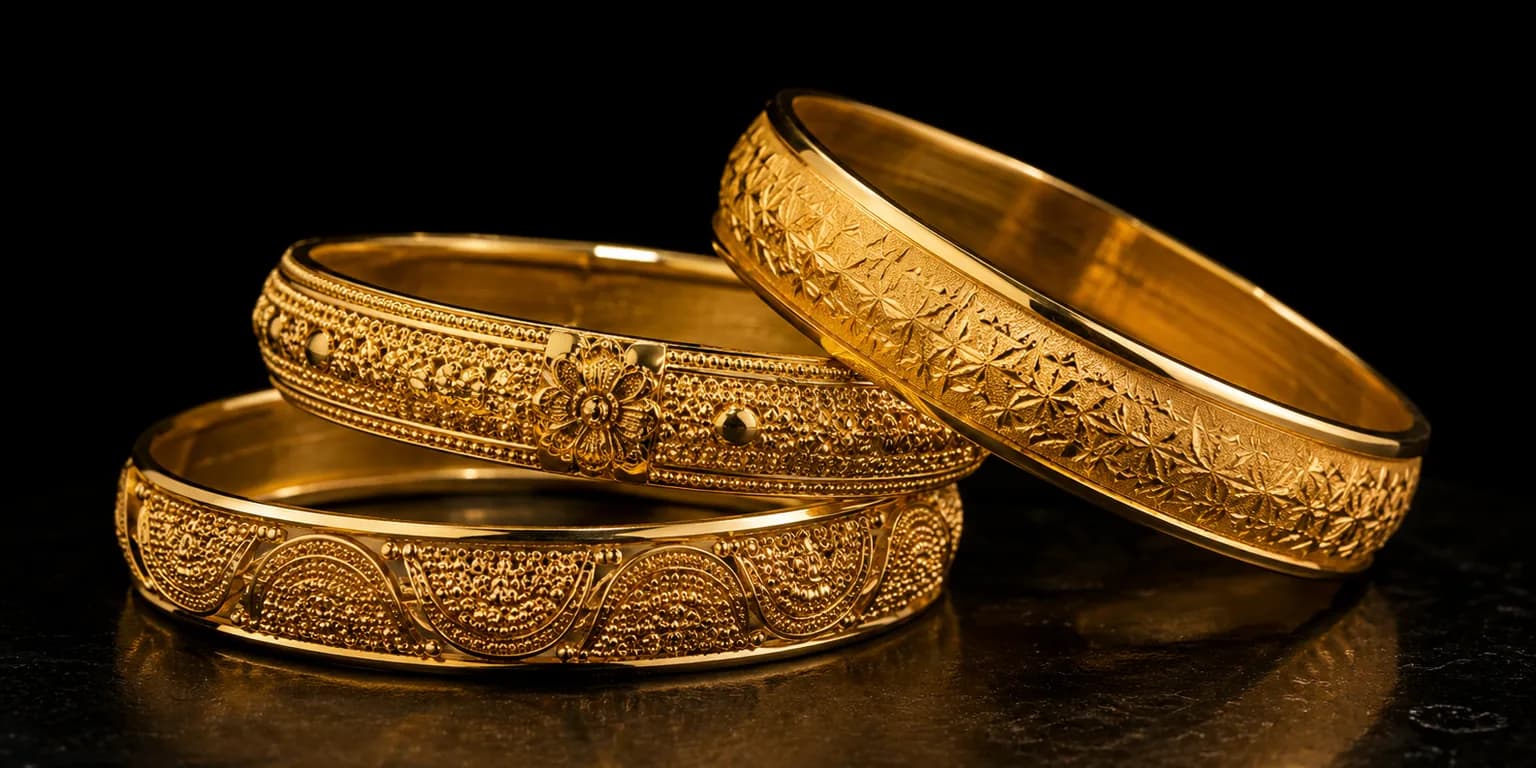
Platinum is a dense, naturally white precious metal used in jewellery at very high purity, commonly 950 parts per thousand, marked Pt950. Unlike white gold it needs no rhodium plating, because it is white throughout, and it is prized for the secure, durable settings it makes. It is usually more expensive than white gold piece-for-piece, largely because of its density and working demands.
Platinum is a dense, naturally white precious metal that keeps its colour to the core, needing no plating to stay white. It asks a higher price and repays it with a permanence no plated metal can match, which is why the finest gem-set jewellery, including important sapphire pieces, so often rides in platinum.
What Platinum Is
Platinum is a precious metal in its own right, one of the platinum-group metals alongside palladium and rhodium. It is silvery-white, exceptionally dense, noticeably heavier than gold volume-for-volume, and highly resistant to corrosion and tarnish. Unlike gold, whose colour must be engineered away to make white jewellery, platinum starts white and stays white at any depth of wear.
Purity: Why Pt950
Where gold jewellery spans purities from 375 to 999, platinum is worked at very high fineness: the common jewellery standard is 950 parts per thousand, marked Pt950, with other grades such as 900 also in use. The alloying few per cent, often ruthenium, iridium, copper or cobalt, tunes hardness and casting behaviour. Because the purity system uses parts per thousand rather than karats, a platinum mark reads like a gold fineness stamp but is prefixed Pt; our karat versus fineness guide explains the notation family.
Platinum Versus White Gold
The comparison every ring buyer eventually makes. White gold is a gold alloy whitened with other metals and almost always rhodium-plated; the plating wears and is periodically renewed. Platinum needs no plating, its colour is its own. It is also more ductile in a way that matters for settings: platinum prongs bend rather than snap, and the metal wears by displacement, developing a satiny patina while losing almost no mass over decades.
The costs of those virtues are weight and price. A platinum ring is markedly heavier than the same design in 18K gold, needs more metal by weight, and is more demanding at the bench, all of which typically make the finished piece more expensive, independent of the day's metal markets.
Platinum in Gem-Set Jewellery
For valuable stones, platinum's grip is the attraction. Prongs stay where the setter puts them, resisting the slow loosening that costs stones their security, and the cool white metal flatters sapphires and diamonds alike. High-value engagement and export pieces are routinely offered in platinum for exactly this reason.
Buying Platinum with Confidence
Find the Pt950 (or Pt900) mark, but treat it as you would any purity stamp, a claim to verify. Marking and hallmarking practices vary by country, XRF testing confirms the metal in seconds, and the invoice should state metal, fineness and weight in writing. Priced fairly and documented properly, platinum is as close to a permanent jewellery metal as the trade offers.
Frequently asked questions
Is platinum more expensive than gold?
A finished platinum piece usually costs more than the same design in white gold, even when the metals' market prices are close, because platinum's density means more grams of metal, its purity is higher and it is more demanding to work. Metal market prices themselves fluctuate independently.
Does platinum scratch?
Yes, no jewellery metal is scratch-proof. The difference is that scratching platinum displaces metal rather than removing it, so pieces develop a soft patina while losing almost no weight. A polish restores the mirror finish at any time.
Will platinum irritate sensitive skin?
Rarely. Jewellery platinum is around 95% pure and its usual alloying metals are well tolerated, which is why platinum is a common recommendation for nickel-sensitive wearers.
How can I verify a piece is really platinum?
Look for the Pt950 or equivalent mark, then verify: XRF testing identifies platinum and its fineness in seconds without damage, and its distinctive density is itself a check. Have the metal and fineness written on the invoice.
Related terms
Sources
- CIBJO, The World Jewellery Confederation, International standards for platinum fineness and marking
- International Gem Society (IGS), Educational material on platinum in jewellery
External references are provided for verification. Listing a source does not imply affiliation or endorsement.
Seen something that needs correcting? Read how corrections work or contact the editorial team.
Related Guides
Gold & Metals
What Is White Gold?
What white gold is made of, why it is usually rhodium-plated, how it compares with platinum and silver, and what maintenance owners should expect over time.
2 min read
Gold & Metals
What Is 18K Gold?
What 18K gold is, why its 750 fineness means 75% pure gold, and why it is the preferred purity for gem-set, white and rose gold jewellery worldwide.
2 min read
Gold & Metals
How Is Gold Tested? XRF, Touchstone, Acid and Fire Assay
The four main ways gold purity is tested, XRF, touchstone, acid and fire assay, what each can and cannot tell you, and when a buyer should insist on a test.
2 min read
Gold & Metals
What Does 916 Mean on Gold?
Why gold is stamped 916, how the number equals 22-karat purity at 91.6% gold, where the mark appears, and why a stamp alone is not proof of fineness.
2 min read