Gold & Metals
What Is White Gold?
What white gold is made of, why it is usually rhodium-plated, how it compares with platinum and silver, and what maintenance owners should expect over time.
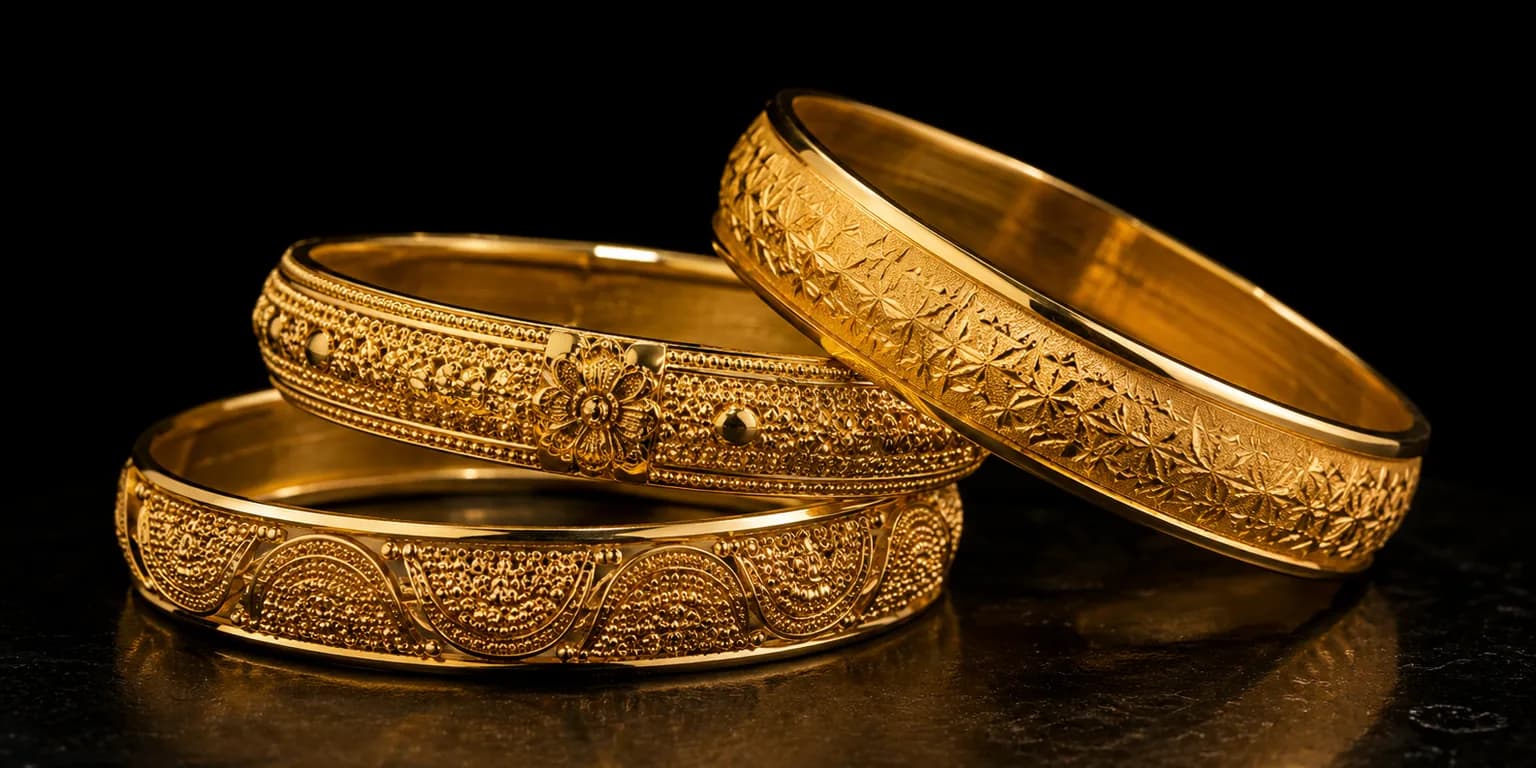
White gold is a genuine gold alloy in which whitening metals such as palladium, nickel or silver replace part of the copper, giving a pale colour. Most white gold is finished with a thin plating of rhodium for a bright white surface, which wears over years and is renewed by re-plating. An 18K white gold ring stamped 750 contains exactly as much gold as its yellow counterpart.
White gold is one of jewellery's most successful inventions: the security and workability of gold in a cool, silvery dress. It carries most modern engagement rings and a great deal of Sri Lanka's export sapphire jewellery, yet many owners are surprised to learn that its bright white surface is not the gold itself.
What White Gold Is Made Of
Pure gold is unalterably yellow, so white gold is an exercise in alloying. Starting from the gold content its karat requires, 75% for 18K, metallurgists fill the balance with whitening metals: palladium, nickel, silver and zinc in various recipes. The result is a genuine gold alloy, stamped with the same fineness numbers as yellow gold; the 750 mark means 75% gold whatever the colour.
Alloy families matter to wearers. Nickel whitens powerfully and cheaply but is a known skin sensitiser; palladium-based alloys cost more and sit gentler on sensitive skin. A good jeweller can tell you which family a piece belongs to.
The Rhodium Layer
Even well-whitened gold alloys retain a faintly warm, greyish cast, so nearly all white gold is electroplated with rhodium, a platinum-group metal with a brilliant, hard white surface. The plating is thin, and this is the fact every owner should absorb: rhodium wears. Rings, which take the most friction, can begin showing warmer metal at the shank within a few years of daily wear.
This is not deterioration of the gold. Re-plating is a routine, inexpensive workshop job that restores the original brightness, and owners of white gold should simply budget for it as periodic maintenance.
White Gold, Platinum or Silver?
The three white metals serve different purposes. Platinum is naturally white to its core, denser and more durable in settings, but typically costs more. Sterling silver is far cheaper but soft and prone to tarnish, suiting fashion pieces rather than heirloom gem setting. White gold occupies the commercial middle: strong enough for fine settings, familiar to every workshop and priced off its gold content.
White Gold in Gem-Set Jewellery
Most white gold is 18K or 14K, the purities whose hardness suits precision setting. Cool-toned metal flatters blue and pink sapphires and makes white stones appear whiter, which is why so much of Sri Lanka's export gem jewellery is set this way.
Buying and Caring for White Gold
Check the fineness stamp, have karat and weight written on the invoice, and confirm the alloy family if skin sensitivity matters, the same discipline as any gold purchase, as our guide to gold testing explains. In wear, remove rings for heavy work, keep pieces away from chlorine, and expect to re-plate high-friction items every few years. Treated this way, white gold keeps both its value and its colour for generations.
Frequently asked questions
Why is my white gold ring turning yellow?
The rhodium plating is wearing through, revealing the naturally warmer tone of the white gold alloy beneath. This is normal wear, not a fault in the gold, a jeweller can re-plate the ring quickly and inexpensively.
Is white gold worth the same as yellow gold?
At equal karat and weight, the gold content is identical, 18K is 75% gold in any colour. Prices can differ slightly with alloying metals and finishing, but melt value follows fineness and weight.
White gold or platinum for an engagement ring?
White gold costs less and is lighter; platinum is naturally white throughout, denser and needs no plating, but usually costs more. Both hold gemstones securely, the choice is budget, weight preference and maintenance tolerance.
Can white gold cause skin reactions?
Nickel-whitened alloys can affect nickel-sensitive wearers, particularly as plating wears. Palladium-based white golds are the usual answer; ask the jeweller which alloy family a piece uses.
Related terms
Sources
- CIBJO, The World Jewellery Confederation, Standards for describing precious metal alloys and coatings
- International Gem Society (IGS), Educational material on white gold alloys and rhodium plating
External references are provided for verification. Listing a source does not imply affiliation or endorsement.
Seen something that needs correcting? Read how corrections work or contact the editorial team.
Related Guides
Gold & Metals
What Is 18K Gold?
What 18K gold is, why its 750 fineness means 75% pure gold, and why it is the preferred purity for gem-set, white and rose gold jewellery worldwide.
2 min read
Gold & Metals
What Is Platinum and How Does It Compare with Gold?
What platinum is, why the naturally white metal is usually 950 fine in jewellery, how it differs from white gold in wear and weight, and what to check.
2 min read
Gold & Metals
What Is Rose Gold?
What gives rose gold its pink colour, how copper content shapes its shades and durability, and what buyers should know about karat, wear and care.
2 min read
Gold & Metals
What Does 750 Mean on Gold?
Why gold jewellery is stamped 750, how the mark equals 18-karat purity at 75% gold, where it appears on fine and gem-set pieces, and how to verify it.
2 min read