Rules & Export
Can Tourists Buy Gemstones in Sri Lanka?
Yes, tourists can generally buy gemstones in Sri Lanka's regulated market. What that means in practice, which bodies oversee the trade, and what to verify.
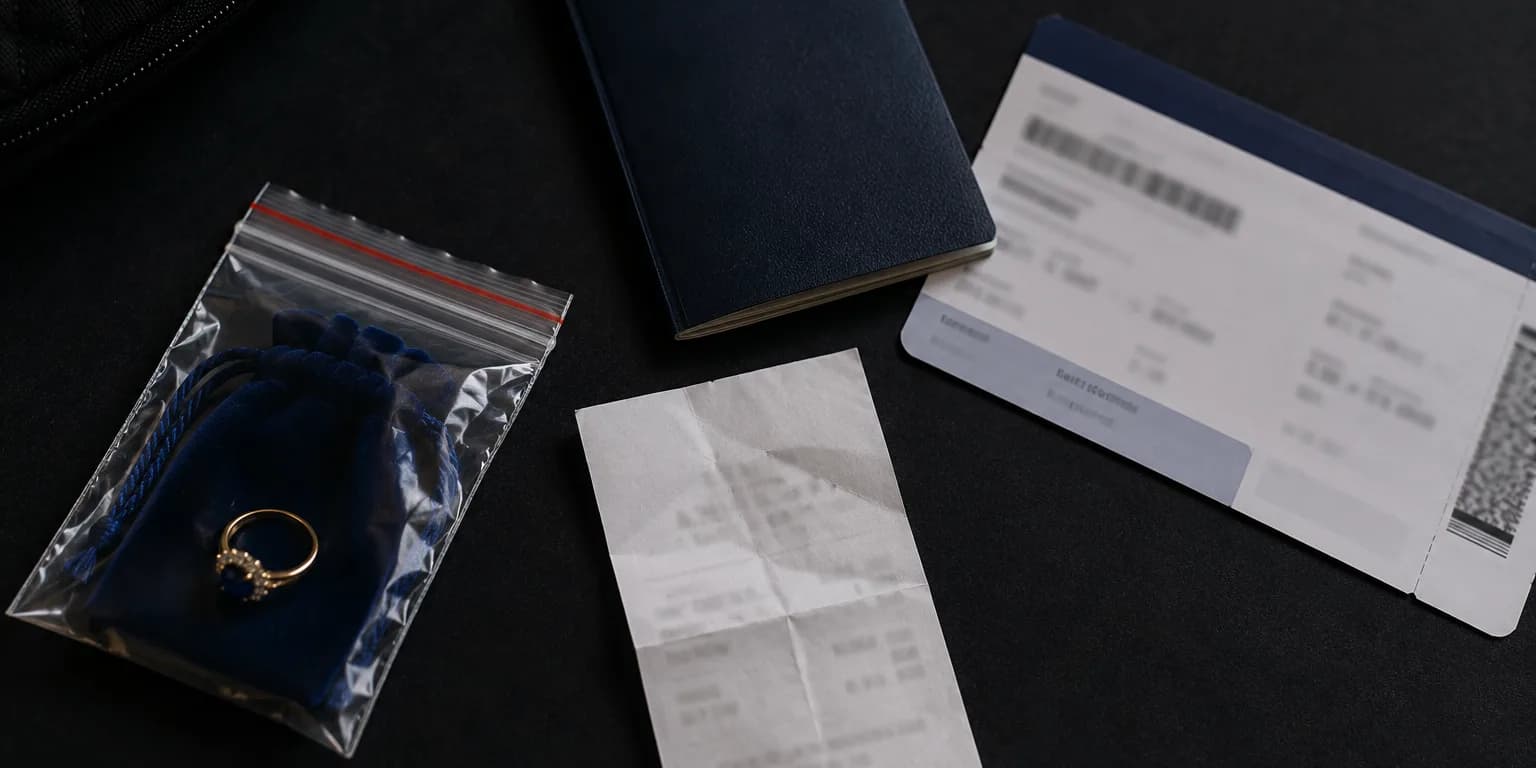
Yes. Tourists can generally buy gemstones in Sri Lanka, which operates a long-established and regulated gem trade overseen by the National Gem and Jewellery Authority. Purchases for personal use are a normal part of the market, but buyers should keep full documentation of every purchase and verify current rules on declarations and taking stones out of the country with the NGJA and Sri Lanka Customs before travelling.
Sri Lanka has traded gemstones with visitors since antiquity, and buying a sapphire or another coloured stone remains one of the most popular purchases a traveller can make on the island. The short answer to the headline question is yes: tourists can generally buy gemstones in Sri Lanka. The longer answer is about doing it within the rules, and knowing which rules to check before you fly.
A Regulated, Long-Established Market
Sri Lanka's gem and jewellery trade operates under public oversight. The National Gem and Jewellery Authority (NGJA) is the body responsible for regulating the industry, including the licensing of dealers, while Sri Lanka Customs is responsible for what crosses the border and how it is declared.
For a visitor, this regulatory framework is a genuine advantage. It means there is a recognised category of licensed dealer to buy from, and identifiable public bodies to consult when you want an authoritative answer rather than a shop-counter assurance.
What Tourists Can Generally Do
Buying gemstones for personal use, a stone for a ring, a small collection piece, a gift, is a normal part of the Sri Lankan market, and licensed dealers sell to visitors every day. Nothing about being a tourist generally prevents you from making such a purchase.
Two boundaries are worth understanding from the outset. First, buying in commercial quantities for resale is a different activity, typically involving licensing and export formalities; our guide to personal purchases versus commercial export explains the distinction. Second, taking a purchase out of the country brings declaration and documentation expectations into play, which are covered in taking gemstones out of Sri Lanka.
Buy From Licensed Dealers and Document Everything
The single most protective habit is to buy from licensed, established dealers and to leave the shop with paperwork that fully describes what you bought: species and variety, weight, treatment status and price, on an itemised invoice, with payment evidence kept alongside it.
This is not only sound consumer practice, as set out in our guide to buying gemstones in Sri Lanka, it is also what makes any later customs conversation straightforward. A stone with a clear paper trail is easy to explain; an undocumented stone is not. For the full list of papers worth collecting, see documents required.
Thinking Ahead to Departure
Before you buy anything of significance, think about the journey home. Sri Lanka Customs' traveller guidance sets out declaration duties that can apply on departure, and your destination's rules apply again on arrival in your destination country.
Neither this article nor any dealer can tell you the current, binding position, that is the role of Sri Lanka Customs for departure and of your home customs authority for arrival. Our guides to customs declarations and destination country import rules explain what to check and where.
Practical Checklist for Visiting Buyers
- Buy from licensed dealers and record the seller's full business details.
- Insist on an itemised invoice stating species, weight, treatments and price.
- Keep payment evidence and any laboratory report with the invoice.
- Check current departure declaration requirements with Sri Lanka Customs before you fly.
- Check your destination country's import rules before you fly.
- For significant stones, consider independent verification, our guide to reading a gem report explains what a good report contains.
Verify Before You Rely on This
This article describes the position in general terms only and is not legal advice. Rules, procedures and thresholds change. Before buying or travelling, verify current requirements directly with the National Gem and Jewellery Authority and Sri Lanka Customs, whose details appear on our sources page.
Frequently asked questions
Is it legal for tourists to buy gemstones in Sri Lanka?
Buying gemstones for personal use is generally a normal, permitted activity within Sri Lanka's regulated market. The safest approach is to buy from licensed dealers and to confirm any current conditions with the National Gem and Jewellery Authority.
Do tourists need any special permit to buy a gemstone?
Personal purchases from licensed dealers do not generally involve a buyer-side permit, but requirements can change and commercial-scale buying is treated differently. Confirm the current position with the NGJA before relying on it.
What paperwork should a tourist keep after buying a gem?
Keep the itemised invoice describing the stone, weight and treatments, any laboratory report, and evidence of payment. These documents support customs declarations, insurance and any later resale.
Can I take a purchased gemstone home with me?
Travellers are generally able to take personal gemstone purchases home, subject to declaration requirements in Sri Lanka and in the destination country. Verify current rules with Sri Lanka Customs and your home customs authority before flying.
Sources
- National Gem and Jewellery Authority of Sri Lanka (NGJA), Responsible authority for gem trade regulation and dealer licensing. Verify current requirements directly.
- Sri Lanka Customs, Responsible authority for declarations at departure. Verify current requirements directly.
- Sri Lanka Customs: Travellers, Traveller declaration duties on departure
External references are provided for verification. Listing a source does not imply affiliation or endorsement.
Seen something that needs correcting? Read how corrections work or contact the editorial team.
Related Guides
Rules & Export
Taking Gemstones Out of Sri Lanka: What Travellers Should Know
How travellers generally take purchased gemstones out of Sri Lanka, declarations, documentation and the official bodies to check with before departure.
3 min read
Rules & Export
Customs Declarations for Gems and Jewellery: How They Work
What customs declarations are, when travellers and traders are generally expected to make them for gems and jewellery, and how to prepare one properly.
3 min read
Rules & Export
Documents Required for Gems and Jewellery: The Complete Paper Trail
The documents that generally support buying, carrying, exporting and insuring gems and jewellery from Sri Lanka, and why each one earns its place.
3 min read
Buying Guides
A Tourist's Guide to Buying Gems in Sri Lanka
A practical guide for visitors buying gems in Sri Lanka, where tourists buy, how to judge what you are shown, paying safely and taking stones home.
3 min read