Sapphire Centre
How Should You Care for a Sapphire?
How to clean, wear and store sapphire jewellery safely, including the extra care rules for fracture-filled, diffusion-treated and star sapphires.
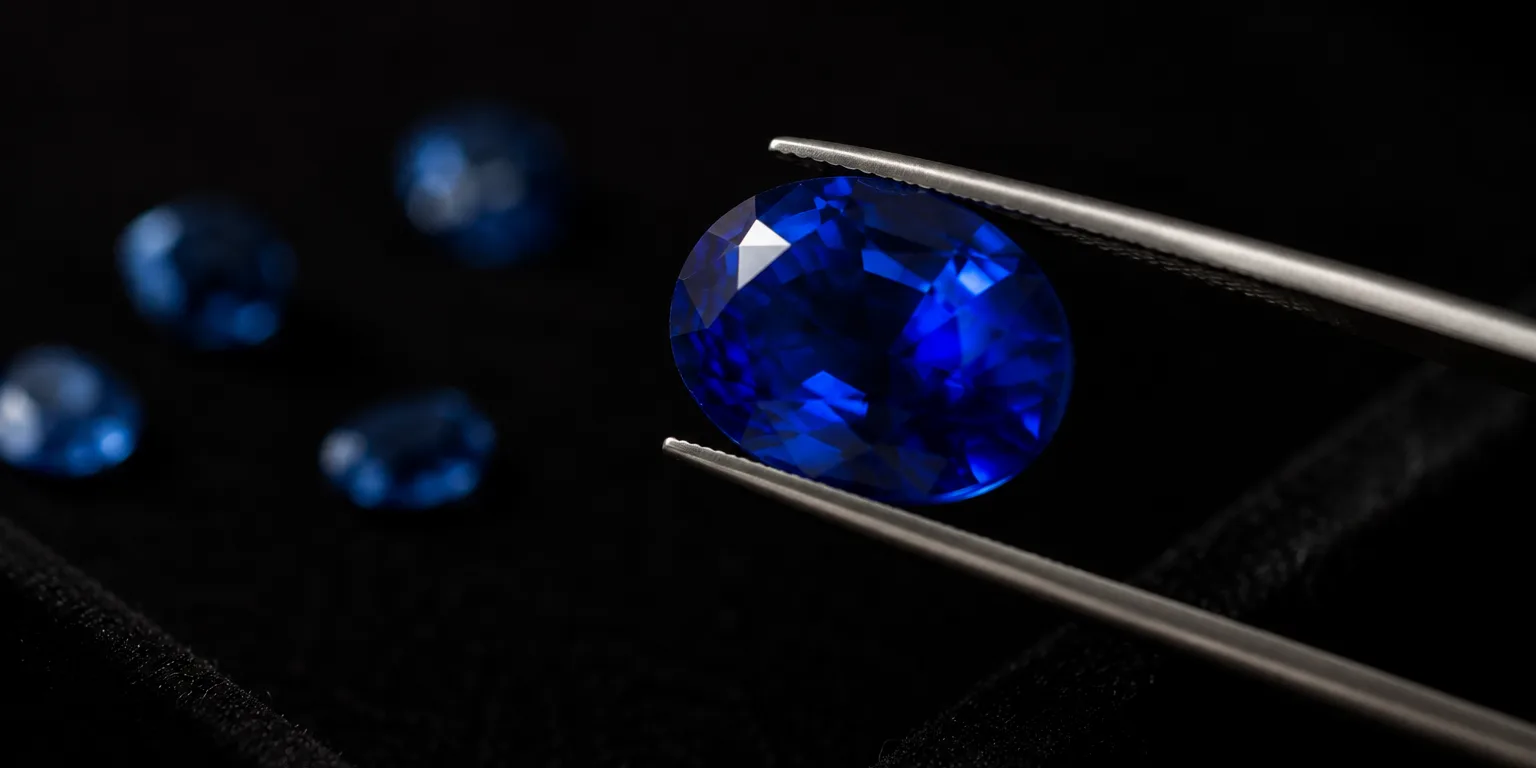
Sapphire is one of the most durable of all gems, corundum ranks 9 on the Mohs scale, and ordinary stones need only warm water, mild soap and a soft brush. The important exceptions are treated stones: fracture-filled sapphires must avoid ultrasonic cleaners, harsh chemicals and jewellers' torches, and surface diffusion-treated stones must never be repolished or recut. Store sapphires separately from other jewellery, and tell any jeweller about known treatments before repair work.
Sapphire earned its place in engagement rings and daily-wear jewellery honestly: few gems shrug off the ordinary hazards of life so well. Yet "durable" is not "indestructible", and the modern market adds a complication the ancients never faced, treated stones whose care rules differ sharply from their untreated cousins. This guide covers both the easy routine and the exceptions that matter.
How Durable Is Sapphire?
Sapphire is gem-quality corundum, which ranks 9 on the Mohs scale of scratch hardness, harder than every natural material except diamond. It also has no cleavage plane, giving it excellent toughness against knocks. In practice this means a sapphire resists the scratches that dull lesser stones and survives decades of sensible daily wear.
The honest caveats: hardness is not invulnerability. A sharp blow can chip a facet junction or a thin girdle, settings loosen over time, and diamond, including the diamond accents in your own jewellery box, can scratch a sapphire. Durability buys forgiveness, not immunity.
Everyday Wear
Ordinary life poses little threat to an untreated or conventionally heated sapphire. The sensible habits are the universal ones: remove rings for gym sessions, gardening and manual work; put jewellery on after cosmetics, perfume and hairspray rather than before; and have settings, especially prongs on rings, checked periodically by a jeweller, since the most common way to lose a sapphire is not damage but a worn claw.
Cleaning Sapphires Safely
The universal method suits every sapphire ever cut: warm water, a few drops of mild washing-up liquid, a soak of some minutes, a gentle scrub with a soft brush behind the stone where grime gathers, a rinse and a dry with a lint-free cloth. Done monthly, it keeps colour and brilliance at full strength, an oily film dulls a sapphire surprisingly fast.
Machine cleaning demands more thought. Ultrasonic and steam cleaners are generally regarded as safe for untreated and ordinarily heated sapphires free of significant fractures, but they are unsuitable for fracture-filled stones, unwise for heavily included ones, and a gamble for any stone whose treatment history you cannot vouch for. When in doubt, the bowl of soapy water loses nothing to the machine.
Special Cases: Treated and Phenomenal Stones
Treatment rewrites the care rules. Fracture-filled sapphires carry a glass filler vulnerable to torch heat, acids, strong household chemicals and ultrasonic agitation; they should be cleaned only with soap and water and disclosed to any jeweller before work. Surface diffusion-treated stones wear their colour as a thin skin, so repolishing or recutting can strip it, see diffusion-treated sapphire. Ordinary heated stones, by contrast, need nothing special, as explained in heated vs unheated sapphire.
Star sapphires and other cabochon-cut stones are physically tough, but their broad domes display scratches and films more readily than facets do, regular gentle cleaning keeps the star crisp.
Storage
Sapphires cause as much storage damage as they suffer. A loose tangle of jewellery lets sapphires scratch pearls, opals, gold and every softer neighbour, while diamonds return the favour against the sapphires. Give each piece its own pouch or compartment, keep chains fastened to prevent tangling, and store valuable pieces, with their laboratory reports and invoices, securely.
Repairs and Professional Work
Before any resizing, retipping or resetting, tell the jeweller everything you know about the stone, and hand over the paperwork gathered when buying the stone. Bench torches reach temperatures that endanger fillers and can even affect some stones' colour, so a careful jeweller will often remove the sapphire before hot work, or shield it deliberately. The rule is the one that governs the whole sapphire market: the more completely the facts travel with the stone, the better the stone is served.
Frequently asked questions
Can I wear a sapphire ring every day?
Yes, sapphire is among the best gems for daily wear thanks to corundum's hardness and toughness. Sensible habits still help: remove rings for heavy manual work, sport and gardening, where even a sapphire can chip on a hard knock at a facet edge.
Is an ultrasonic cleaner safe for sapphires?
For untreated and conventionally heated sapphires without significant fractures, ultrasonic cleaning is generally considered safe. Avoid it for fracture-filled stones, heavily included stones and anything whose treatment status you do not know, soap and water always work.
Can a sapphire scratch or be scratched?
Both. Sapphire scratches almost every other gem it touches in a jewellery box, and diamond is hard enough to scratch sapphire. Separate storage protects the whole collection.
What should I tell a jeweller before a repair?
Everything you know about the stone, especially treatments. Torch heat can damage fillers in fracture-filled stones, and repolishing can breach the thin colour layer of a surface diffusion-treated stone, so the jeweller must know what is on the bench.
Related terms
Sources
- Gemological Institute of America (GIA), Corundum durability and gem care guidance
- International Gem Society (IGS), Practical jewellery cleaning and storage advice
- GIA: Sapphire Care and Cleaning Guide, Hardness, toughness and treatment-dependent care
External references are provided for verification. Listing a source does not imply affiliation or endorsement.
Seen something that needs correcting? Read how corrections work or contact the editorial team.
Related Guides
Sapphire Centre
What Is a Fracture-Filled Sapphire?
How fracture filling with glass disguises breaks in corundum, the signs laboratories look for, and why filled stones need careful handling and full disclosure.
3 min read
Sapphire Centre
Heated vs Unheated Sapphire: What Is the Difference?
How heat treatment changes sapphires, how laboratories detect it, why unheated stones carry premiums and what disclosure you should insist on.
4 min read
Sapphire Centre
What Is a Star Sapphire?
How star sapphires form, why the star moves, how to judge a fine star and body colour, and the treatments and synthetics buyers should know about.
3 min read
Sapphire Centre
What Is a Ceylon Sapphire?
What a Ceylon sapphire actually is, where Sri Lankan sapphires are mined, how laboratories assess origin and why the name alone never guarantees quality.
3 min read