Gold & Metals
What Is Sterling Silver and What Does 925 Mean?
What sterling silver is, why the 925 standard of 92.5% silver became universal, how to read silver marks, and how to care for sterling jewellery properly.
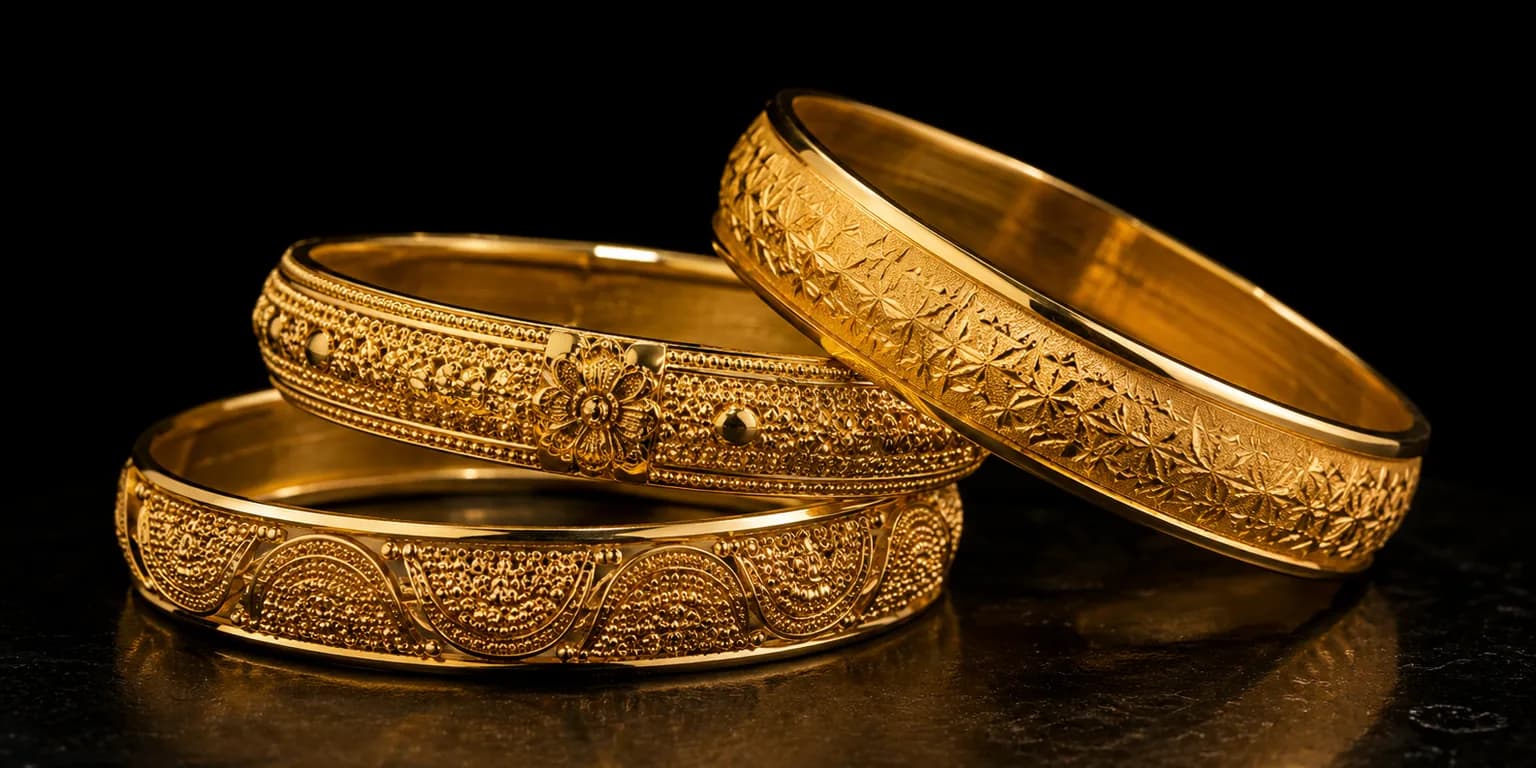
Sterling silver is a silver alloy of 925 parts per thousand, 92.5% silver, usually with copper making up the balance, and the 925 stamp on jewellery claims that standard. The alloy exists because fine silver is too soft for daily wear; the copper addition gives sterling the strength for rings, chains and clasps while keeping the metal overwhelmingly silver.
"Sterling" is one of the oldest quality words in the Western trade, so old it became a synonym for reliability itself. On jewellery, it means one precise thing: silver of at least 92.5% purity. The three digits stamped on a clasp, 925, are the modern shorthand for a standard that has served buyers for centuries.
The 925 Standard
Sterling silver is defined by fineness: 925 parts of silver per thousand, with the remaining 75 parts, traditionally copper, completing the alloy. The formula solves silver's central problem. Fine silver at 999 is beautiful but soft; rings deform, clasps fatigue, chains stretch. The copper fraction hardens the metal decisively while leaving it more than nine-tenths silver, a balance so effective it has remained essentially unchanged since medieval England fixed it for coinage.
Modern variants exist, some alloys substitute part of the copper with other metals to slow tarnish or ease casting, but all must keep silver at 925 or above to carry the name.
Reading Sterling Marks
The commonest mark is the plain number 925, sometimes accompanied by "sterling", "ster" or a maker's initials. In countries with formal hallmarking systems, sterling items may carry additional symbols applied after independent assay, the United Kingdom's lion passant is the famous example. Elsewhere, including in much everyday trade, the 925 punch stands alone as the maker's claim. The distinction matters exactly as it does with gold: a stamp asserts, an assay verifies. In markets where practices vary, ask for the fineness in writing on the invoice.
Sterling and Tarnish
Sterling tarnishes, a little faster than fine silver, because copper joins in the surface reaction with airborne sulphur. The result is cosmetic, not structural: the dark sulphide layer sits on the surface and yields to a polishing cloth. Wearing sterling regularly actually keeps it brighter, as friction gently renews the surface. For storage, closed pouches or anti-tarnish strips do most of the work.
Where Sterling Excels, and Where It Doesn't
Sterling is the standard metal of everyday and design-led jewellery: chains, bangles, earrings, sculptural pieces and gem-set fashion work. Its limits appear where decades-long security matters, slender prongs holding a valuable sapphire belong in 18K gold or platinum, whose harder settings protect the stone. Between the two roles sits white gold, the costlier white metal sterling is often mistaken for at a glance.
Buying Sterling with Confidence
Check for the 925 mark, weigh the price against the piece, sterling is affordable, and "silver" offered at suspiciously trivial prices is usually plated, and have fineness and weight written on the invoice. For context on the metal itself, start with our guide to silver; for the general discipline of documented buying, our buying jewellery in Sri Lanka guide applies to silver exactly as it does to gold.
Frequently asked questions
Is sterling silver real silver?
Yes. Sterling is 92.5% pure silver throughout the metal, not plated. The 7.5% alloy addition, usually copper, exists purely to make the soft metal strong enough to wear.
Does the 925 mark guarantee authenticity?
No stamp guarantees anything by itself, punches can be applied to plated or base metal. Independent hallmarking regimes exist in some countries, but practices vary, so buy from reputable sellers, get the fineness on the invoice and test items in doubt.
Why does my sterling ring tarnish faster than my grandmother's fine silver?
The copper in sterling accelerates surface reaction with sulphur in the air, so sterling tarnishes somewhat faster than 999 silver. Regular wear, occasional polishing and closed storage keep it bright.
Can sterling silver hold gemstones?
It can, and much gem-set fashion jewellery is sterling. For valuable stones, though, sterling's softness makes settings less secure over decades, which is why important gems are usually set in 18K gold or platinum.
Related terms
Sources
- CIBJO, The World Jewellery Confederation, Standards for silver fineness and marking
- International Gem Society (IGS), Educational material on sterling silver alloys and care
External references are provided for verification. Listing a source does not imply affiliation or endorsement.
Seen something that needs correcting? Read how corrections work or contact the editorial team.
Related Guides
Gold & Metals
What Is Silver and How Is It Used in Jewellery?
What silver is, how fine silver at 999 differs from sterling at 925, why silver tarnishes and how to care for it, and what silver jewellery buyers should check.
2 min read
Gold & Metals
What Is White Gold?
What white gold is made of, why it is usually rhodium-plated, how it compares with platinum and silver, and what maintenance owners should expect over time.
2 min read
Gold & Metals
What Are Gold Hallmarks and How Do You Read Them?
What gold hallmarks are, how independent assay marks differ from a maker's purity stamp, how regimes vary by country, and what Sri Lankan buyers should check.
2 min read
Gold & Metals
What Does 916 Mean on Gold?
Why gold is stamped 916, how the number equals 22-karat purity at 91.6% gold, where the mark appears, and why a stamp alone is not proof of fineness.
2 min read