Certificates
When Should You Get a Second Laboratory Opinion on a Gemstone?
When a second gem laboratory opinion is worth the cost, high-value stones, origin premiums, no-heat claims, conflicting documents and doubts about a report.
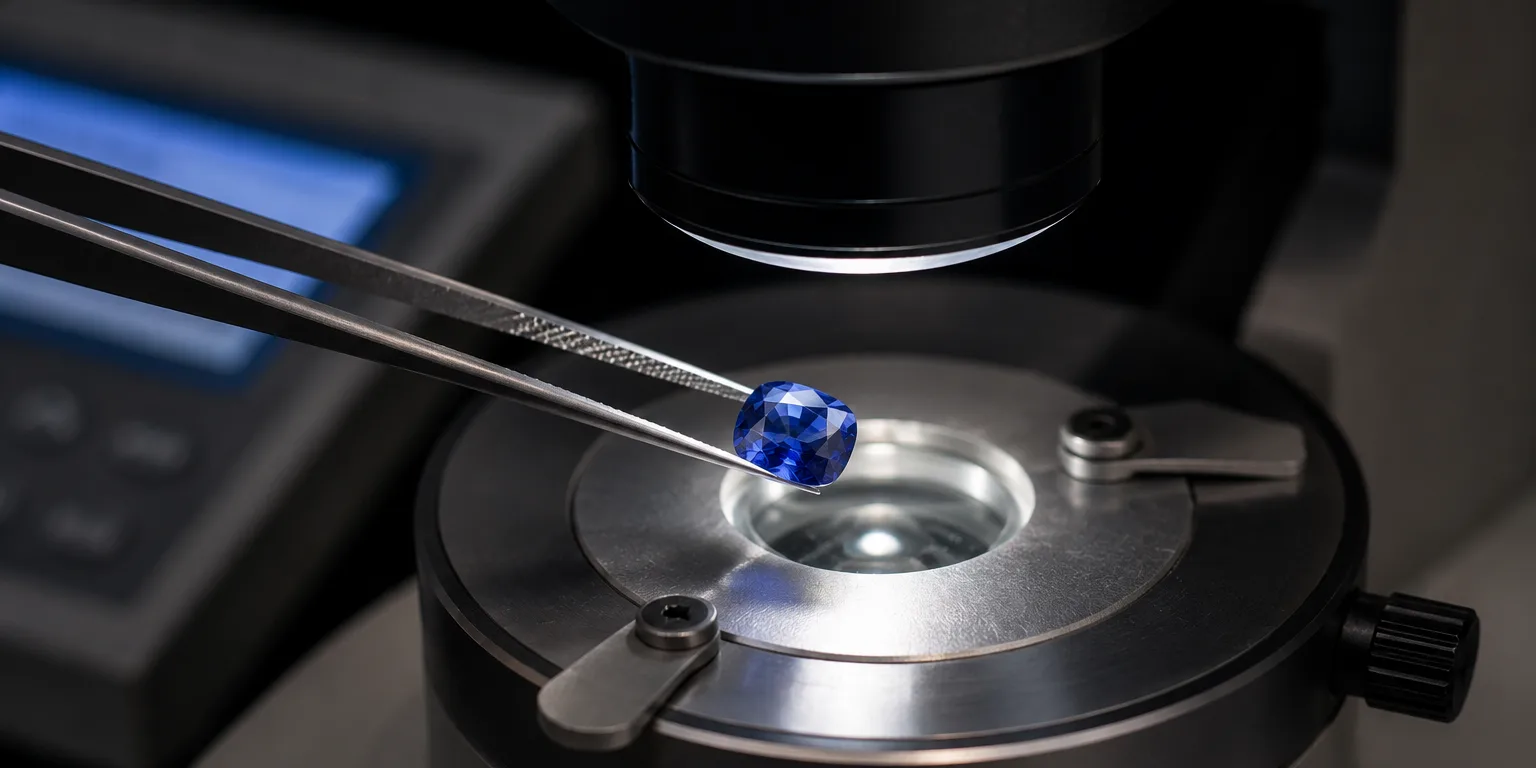
Seek a second laboratory opinion when a large sum rests on a single conclusion: stones priced on geographic origin or on being unheated, stones whose documents conflict with each other or with the stone itself, and any purchase where the existing report is old, damaged, unverifiable or arranged entirely by the seller. For routine commercial-grade stones, one credible report is normally enough.
One report from a credible laboratory answers most questions about most stones. But some purchases place extraordinary weight on a single line of text, an origin opinion, a no-heat finding, and when a large premium hangs on one conclusion, prudence suggests a second, independent look. Knowing when that step is proportionate, and when it is unnecessary, saves both money and worry.
The Principle: Weight on a Single Conclusion
A gem report contains findings of different kinds. Identity and weight are measurable and highly reliable. Origin is an expert opinion drawn from overlapping evidence. Treatment findings sit between the two. The case for a second opinion grows with two factors: how much of the price rests on a given conclusion, and how much room for professional judgement that conclusion involves.
A modest heated sapphire with a clean identification report needs nothing more. A stone commanding a premium for being unheated Ceylon material is a different proposition entirely.
The Classic Cases
Origin premiums. An origin opinion is a judgement, and respected laboratories occasionally differ, a known, honest limit of the method explained in our guide to origin reports. Where origin adds substantially to the price, a concurring opinion from a second established laboratory materially strengthens the stone's documentation.
No-heat findings. The premium for an unheated sapphire rests entirely on the treatment conclusion, as explained in treatment reports. For fine stones, confirming that finding at a second laboratory is routine practice among serious buyers.
Exceptional stones generally. Size, rarity or price alone can justify duplication of testing, simply because the cost of a second report is trivial against the sum at risk.
When Something Does Not Add Up
Beyond high values, seek fresh testing whenever the existing documentation is doubtful:
- The report's weight or measurements do not quite match the stone
- Two documents accompanying the stone contradict each other
- The report is old, damaged, a photocopy, or fails verification through the laboratory
- The only documentation was arranged entirely by the seller, from a laboratory you cannot assess
These situations overlap with the warning signs discussed in red flags when buying gemstones. The rule is simple: unresolved documentary doubt before purchase is a reason to pause, not to hope.
How to Go About It
Choose a laboratory independent of both the seller and the first laboratory, for origin and no-heat questions, usually one of the established international coloured-stone laboratories. Arrange the submission yourself or through channels you control, and where the purchase is not yet complete, make the sale conditional on the outcome in writing.
If the second opinion concurs, you have bought certainty cheaply. If it differs, you have learned something worth many times the testing cost, and a basis to renegotiate or walk away.
Keeping Perspective
Second opinions are a tool for concentrated risk, not a ritual for every purchase. Most stones need one good report, checked against the stone and verified with the laboratory. Reserve the second opinion for the moments when a single sentence on a single document is carrying a disproportionate share of the price.
Frequently asked questions
Is asking for a second opinion insulting to the seller or the first laboratory?
No. Retesting important stones is routine in the international trade, and auction houses and major dealers do it constantly. A reputable seller expects the request; resistance to it is itself informative.
What if two laboratories disagree?
For measurable findings, disagreement is rare and worth investigating carefully. For origin opinions, occasional divergence is a known limit of the method. In practice the market prices a stone on the documents it carries, and a material disagreement is a reason to renegotiate or step away.
Do I need a second opinion for every gemstone?
No. For routine commercial stones one credible independent report is normally sufficient. Second opinions are for stones where a specific premium, origin, no heat, exceptional size or quality, rests on a single conclusion.
Should the second opinion come from a different laboratory?
Usually, yes, the value of a second opinion lies in its independence from the first. For origin and no-heat questions, an established international coloured-stone laboratory is the customary choice.
Related terms
Sources
- Gemological Institute of America (GIA), General gemmological reporting concepts, reference only, no affiliation
- SSEF, Swiss Gemmological Institute, Origin and treatment opinion practice, reference only, no affiliation
- CIBJO, The World Jewellery Confederation, Trade standards for disclosure and documentation, reference only, no affiliation
External references are provided for verification. Listing a source does not imply affiliation or endorsement.
Seen something that needs correcting? Read how corrections work or contact the editorial team.
Related Guides
Certificates
What Is a Gemstone Origin Report and How Reliable Is It?
How laboratories form geographic origin opinions for gemstones, why the conclusion is an opinion rather than a certainty, and what origin adds to value.
2 min read
Certificates
How Do Laboratory Reports Disclose Gemstone Treatments?
How laboratories detect and disclose gemstone treatments, why the wording on a report matters, and how treatment findings change what a stone is worth.
2 min read
Certificates
Which International Gem Laboratories Do Buyers Rely On?
An introduction to internationally known gem laboratories such as GIA, SSEF, Gübelin, Lotus and GRS, what they do, why their reports travel, and how to choose.
2 min read
Buying Guides
What Are the Red Flags When Buying Gemstones?
Ten red flags when buying gemstones, pressure tactics, resale-profit stories, fantasy discounts and documentation dodges, and why each one matters.
3 min read