Certificates
Which International Gem Laboratories Do Buyers Rely On?
An introduction to internationally known gem laboratories such as GIA, SSEF, Gübelin, Lotus and GRS, what they do, why their reports travel, and how to choose.
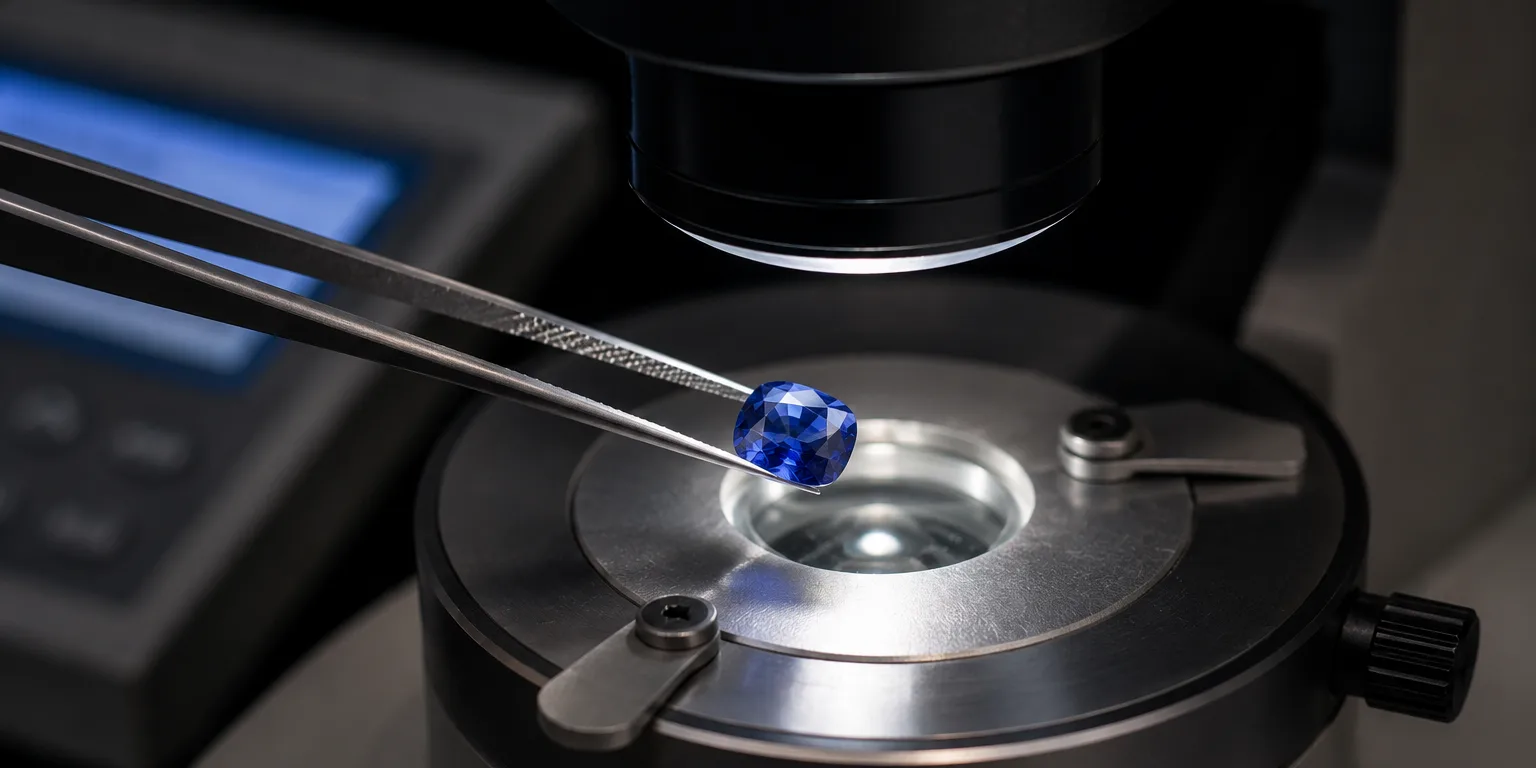
Internationally known gemmological laboratories, examples include GIA, SSEF, Gübelin Gem Lab, Lotus Gemology and GRS, issue identification, treatment and, for coloured stones, origin reports that are recognised across the global trade. Their reports travel well because dealers, auction houses and insurers worldwide are familiar with their documents and wording.
Ask anyone who handles important coloured stones, dealers, auctioneers, insurers, which documents they trust, and the same handful of laboratory names recur across every continent. Understanding why those names carry weight, and when a report from one of them is worth commissioning, is essential knowledge for anyone buying a significant gemstone.
What Makes a Laboratory "International"
The phrase has no official definition. In practice, it describes laboratories whose reports are recognised and accepted across markets: their documents are familiar to the trade worldwide, their wording is understood, and their conclusions are relied upon far from where the testing happened. That recognition is earned over decades through consistent, science-based work, and it is the whole point of paying for such a report, because a gem report is only as useful as the confidence others place in it.
Well-Known Names in Coloured Stones
Several laboratories are widely known internationally for coloured-stone work. GIA (Gemological Institute of America) is among the most widely recognised gemmological institutions globally. SSEF (Swiss Gemmological Institute) and the Gübelin Gem Lab, both based in Switzerland, are long-established names particularly associated with important coloured stones. Lotus Gemology, based in Bangkok, specialises in ruby, sapphire and spinel. GRS (GemResearch Swisslab) is another name frequently encountered on coloured-stone reports in the international trade.
These are factual examples, not a ranking or an endorsement, other respected laboratories exist, and SriLankaJewellery.com has no affiliation with any laboratory. Which names matter most in a given transaction depends on the stone and the market it is destined for.
What They Offer
Core services are broadly similar: identification of species and variety, separation of natural from synthetic material, and treatment findings. For coloured stones, several of these laboratories also offer geographic origin opinions, a service that depends on the deep reference collections and advanced instrumentation few organisations can maintain, the subject of our guide to origin reports.
Services, report formats and wording differ between laboratories, so check what a specific report type covers, and how to read it, before commissioning one.
When an International Report Is Worth It
Recognition costs money, and for modest stones local testing may serve perfectly well, see where to get stones tested in Sri Lanka. The international report earns its keep when much rides on the conclusion:
- Stones priced on geographic origin, such as Ceylon sapphires carrying an origin premium, see sapphire origin reports
- Stones priced as unheated or untreated, where the premium rests entirely on a laboratory finding
- Stones destined for insurance, auction or international resale, where a widely recognised document smooths every later step
Choosing and Using One
Check the laboratory's own website for current submission arrangements, services and turnaround, practices vary and change. Deal with the laboratory directly or through channels you control rather than leaving the process entirely to a seller. When the report arrives, verify and keep it as described in laboratory report verification; and where two respected laboratories might reasonably differ, as they occasionally do on origin, see when to get a second opinion.
Frequently asked questions
Which laboratory is best for a sapphire?
There is no single 'best', several internationally known laboratories perform coloured-stone work to a high standard, and serious buyers choose based on the services needed, turnaround and where the stone will be sold or insured. For origin opinions, laboratories with deep coloured-stone reference collections are the usual choice.
Why do international laboratory reports cost more than local testing?
Advanced instrumentation, reference collections and specialist staff are expensive to maintain, and demand for these laboratories is global. For high-value stones the report cost is small relative to the value it documents. Fees vary by laboratory and service, so check directly.
Do international laboratories test stones from the public?
Policies vary. Some accept submissions directly, others work through offices, take-in windows or shows in particular cities. Check the laboratory's own website for current submission arrangements before planning around a report.
Is a stone without an international report unsellable?
Not at all. Most commercial-grade stones trade without one. International reports earn their cost where the price rests on conclusions a future buyer will want independently confirmed, natural origin, absence of heating, or geographic origin.
Related terms
Sources
- Gemological Institute of America (GIA), Reference only, no affiliation
- SSEF, Swiss Gemmological Institute, Reference only, no affiliation
- Gübelin Gem Lab, Reference only, no affiliation
External references are provided for verification. Listing a source does not imply affiliation or endorsement.
Seen something that needs correcting? Read how corrections work or contact the editorial team.
Related Guides
Certificates
Gem Testing in Sri Lanka: NGJA and Private Laboratories
How gem testing works in Sri Lanka, who offers testing, how to judge a laboratory's credentials, and when a purchase justifies an international laboratory.
2 min read
Certificates
What Is a Gemstone Origin Report and How Reliable Is It?
How laboratories form geographic origin opinions for gemstones, why the conclusion is an opinion rather than a certainty, and what origin adds to value.
2 min read
Certificates
When Should You Get a Second Laboratory Opinion on a Gemstone?
When a second gem laboratory opinion is worth the cost, high-value stones, origin premiums, no-heat claims, conflicting documents and doubts about a report.
2 min read
Sapphire Centre
What Is a Sapphire Origin Report?
How laboratories form opinions on where a sapphire was mined, why origin conclusions are opinions rather than guarantees, and how to use them when buying.
3 min read