Certificates
Gem Testing in Sri Lanka: NGJA and Private Laboratories
How gem testing works in Sri Lanka, who offers testing, how to judge a laboratory's credentials, and when a purchase justifies an international laboratory.
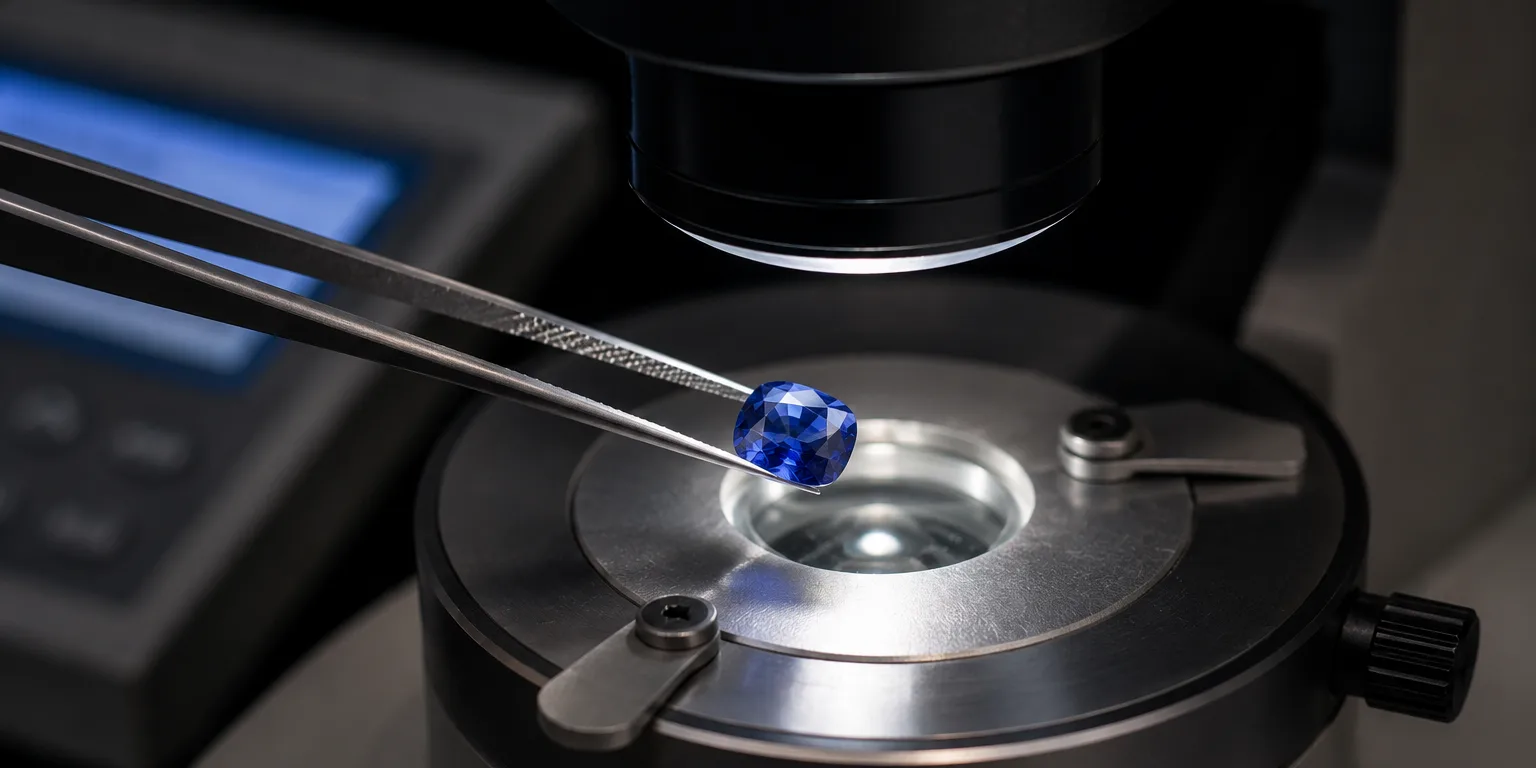
In Sri Lanka, gemstone testing services are offered both by the state gem authority and by private laboratories. Before relying on any report, verify the laboratory's credentials and independence from the seller. For major purchases, and especially for origin and no-heat conclusions, established international laboratories remain the standard the global market recognises.
Sri Lanka's gem trade has been documented since antiquity, classical accounts already described the island's stones, and a trade that old develops its own infrastructure of verification. For today's buyer, the practical question is simple: you are in Colombo, Ratnapura or Beruwala with a stone in hand, where can it be tested, and how much weight should the resulting report carry?
The Testing Landscape in Sri Lanka
Two broad kinds of service exist. The state gem authority, the public body responsible for the gem and jewellery sector, offers gem testing services. Alongside it, private laboratories of varying size and specialisation also offer testing to the trade and to the public.
This guide deliberately names no private laboratories. The landscape changes, and the right question for a buyer is not "which name?" but "does this laboratory meet the tests of independence and competence?", questions you can apply to any laboratory, anywhere. Verify current services, locations and requirements directly with any laboratory before relying on it.
What Local Testing Is Good For
A local gem report obtained during a purchase answers the questions that matter most at the counter: is the stone natural, what species and variety is it, and is there evidence of treatment? Testing near the point of sale also has a practical virtue, it can happen before money changes hands, which is precisely when verification is most useful.
A reputable seller should have no objection to independent testing before completion. Reluctance is a warning sign in itself, as our guide to checking a gem certificate explains.
How to Judge Any Laboratory
Apply the same tests wherever you are:
- Independence. The laboratory should have no stake in the sale. Be cautious of any laboratory the seller insists upon to the exclusion of others, or that operates from the seller's own premises.
- Transparency. Credible laboratories explain their credentials, methods and report wording when asked.
- Equipment and expertise. Reliable identification and treatment detection require proper instruments and trained gemmologists, not a loupe alone.
- Verifiable reports. Prefer laboratories whose reports can be checked afterwards, as described in laboratory report verification.
When to Use an International Laboratory
For major purchases, the calculus changes. Stones priced on geographic origin or on the absence of heating are carrying premiums that rest entirely on a laboratory conclusion, and the global market, from insurers to auction houses to future buyers, places the widest confidence in reports from established international coloured-stone laboratories, described in our guide to international laboratories.
A sensible pattern for an important stone: use local testing as the immediate screen during purchase, then obtain an international report for the long term. The cost is modest against the value it documents.
Practical Steps
Choose the laboratory yourself, deal with it directly, and accompany the stone where arrangements allow. Keep the report with the invoice and payment records as one file. And treat this guide as orientation rather than a directory: services, fees and procedures change, so confirm the current position with the laboratory, or with the state gem authority, before you rely on it.
Frequently asked questions
Can I get a gemstone tested while visiting Sri Lanka?
Yes. Testing services are available in Sri Lanka from the state gem authority and from private laboratories. Confirm opening arrangements, turnaround times and current requirements directly with the laboratory before you plan a purchase around it.
How do I judge whether a local laboratory is credible?
Look for independence from the seller, willingness to explain methods and credentials, proper instrumentation, and clear standard wording on reports. Be cautious of any laboratory a seller insists on to the exclusion of all others.
Is a local report enough for an expensive stone?
Local testing is a reasonable first screen and useful protection during a purchase. For major purchases, particularly stones priced on origin or on being unheated, a report from an established international laboratory carries the widest recognition with insurers, auction houses and future buyers.
Should the seller arrange the testing for me?
You should control the process for it to count as independent verification. Accompany the stone where possible, choose the laboratory yourself, and deal with the laboratory directly rather than through the seller.
Related terms
Sources
- National Gem and Jewellery Authority of Sri Lanka (NGJA), State gem authority offering gem testing services in Sri Lanka, reference only, no affiliation
- Gemological Institute of America (GIA), General gemmological testing concepts, reference only, no affiliation
- NGJA: Gem Testing Laboratory, NGJA gem testing services and online certificate verification
External references are provided for verification. Listing a source does not imply affiliation or endorsement.
Seen something that needs correcting? Read how corrections work or contact the editorial team.
Related Guides
Certificates
Which International Gem Laboratories Do Buyers Rely On?
An introduction to internationally known gem laboratories such as GIA, SSEF, Gübelin, Lotus and GRS, what they do, why their reports travel, and how to choose.
2 min read
Certificates
What Are Gem Certificates and What Do They Actually Tell You?
An overview of gemstone laboratory reports, what identification, origin and treatment documents cover, what they cannot guarantee, and why they matter.
3 min read
Certificates
How Do You Verify That a Laboratory Report Is Genuine?
How to check a gem laboratory report using online report-number lookup, document security features and a physical comparison between the stone and the paper.
3 min read
Buying Guides
How Do You Check a Gem Certificate Is Genuine?
How to check a gem certificate, matching the report to the stone, verifying it with the issuing laboratory, and spotting altered or invented documents.
3 min read