Buying Guides
How to Identify Fake Gemstones and Avoid Them When Buying
How to avoid fake gemstones, understanding synthetics, imitations and undisclosed treatments, the checks that genuinely help, and when to use a laboratory.
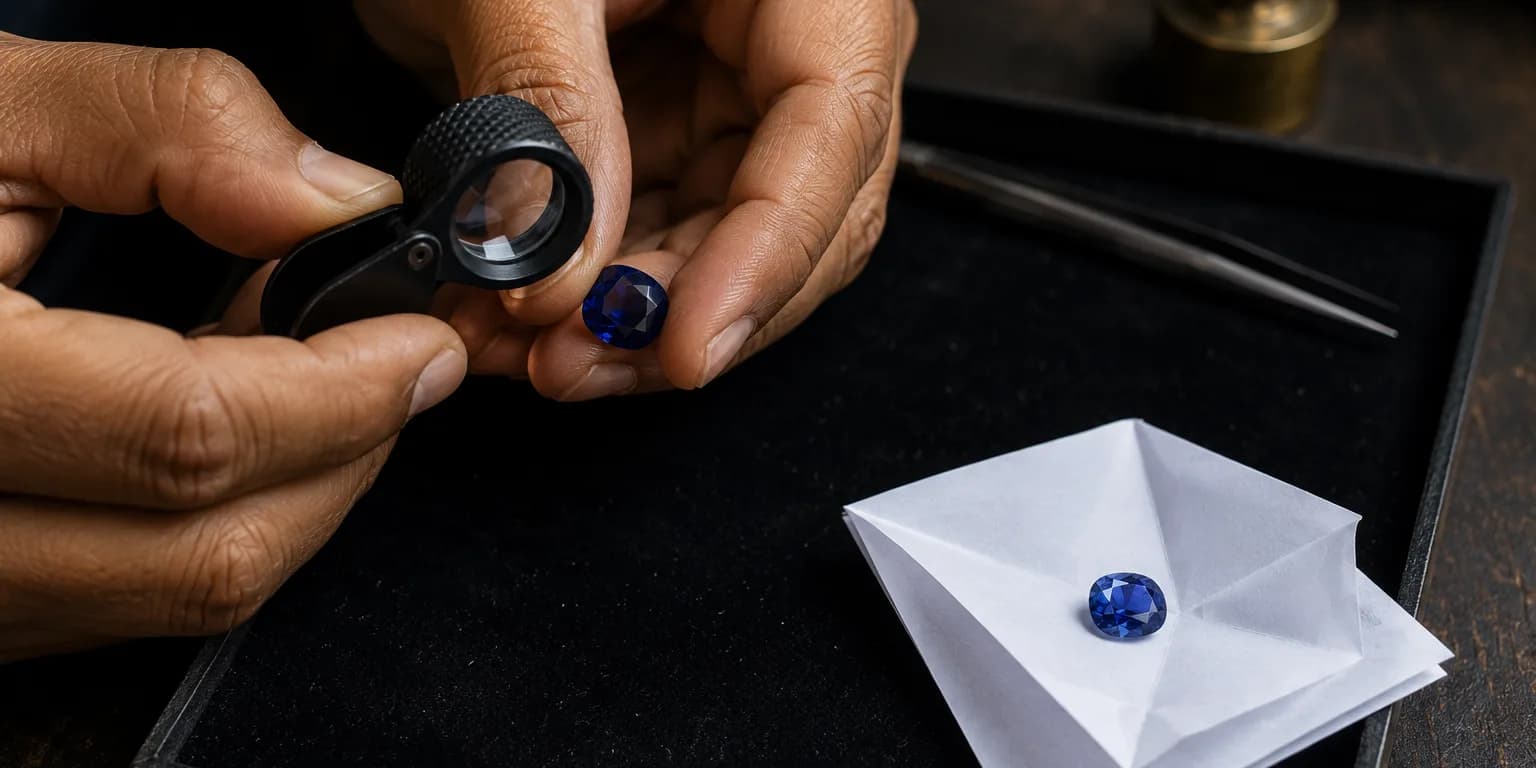
The reliable way to avoid fake gemstones is procedural, not visual: buy from established sellers, require written disclosure that the stone is natural and untreated or treated as stated, be suspicious of prices far below the market, and have any significant stone verified by an independent gemmological laboratory before or immediately after purchase.
Ask what a "fake" gemstone is and you will get three different answers, because the trade contains three different problems. Understanding which is which matters, because the defences differ, and because one of the three is not a fake at all when honestly sold.
What "Fake" Actually Covers
An imitation is anything that merely looks like the gem, glass, cubic zirconia, a cheaper natural stone. A synthetic is the same material grown in a laboratory: real sapphire, but not from the ground, and legitimate only when sold as what it is. The third problem is misdescription of a genuine natural stone, most often an undisclosed treatment that makes the stone worth far less than the untreated price you paid.
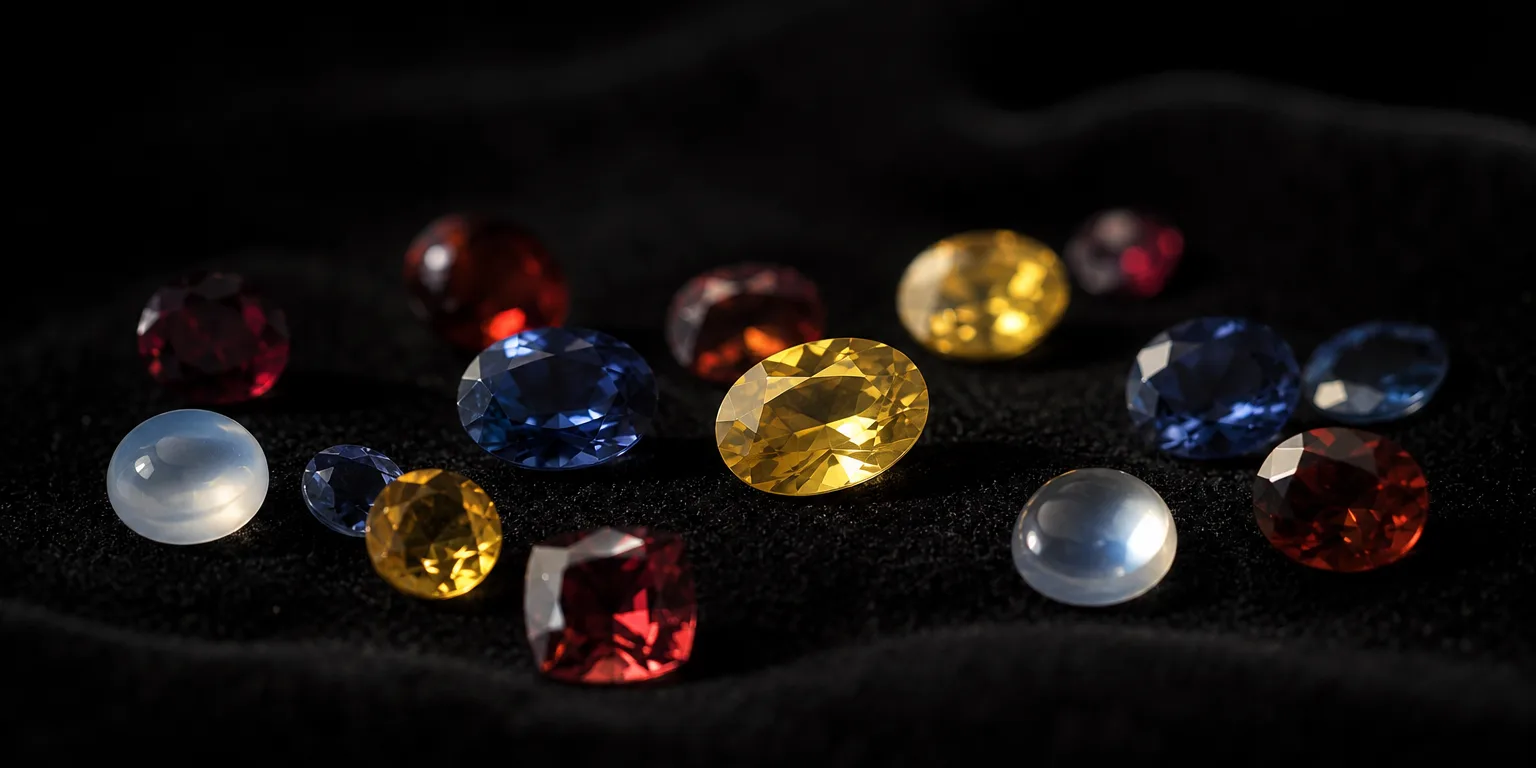
All three end the same way for the buyer: paying a natural-stone price for something else. Our comparison of natural and lab-grown gemstones covers the honest version of the synthetic trade.
Why Your Eyes Are Not Enough
Modern synthetics are chemically the same material as the natural stone, and good imitations are optically convincing. Dealers themselves rely on instruments, refractometers, microscopes, spectroscopes, precisely because eyes fail. Assume that anything shown to you could be any of the three categories above, and let the paperwork and testing do the sorting.
This is also why folklore tests deserve a blunt paragraph: scratch tests, breath-fogging, torch beams and water drops identify nothing. The scratch test can also damage a genuine stone you would then own.
Checks That Genuinely Help
None of the following proves identity, but together they shift the odds strongly in your favour.
Examine with a loupe. Natural stones usually show some inclusions at 10x magnification. A stone that is perfectly clean under the loupe at a modest price warrants more suspicion, not relief.
Know the honest lookalikes too. Not every confusion involves bad faith: natural species can resemble each other closely, and sapphire and spinel have been mistaken for one another for centuries. Species identity belongs on the receipt and, for significant stones, on a laboratory report.
Judge the price against the market. Compare several sellers for similar material. The most consistent marker of a misdescribed stone is a price far below every comparable quote, sellers of genuine goods cannot afford fantasy discounts.
Demand written disclosure. Ask whether the stone is natural, whether it is treated, and what it weighs, and require the answers on the invoice. Deceptive sellers depend on claims that evaporate because they were never written down.
Watch the seller, not just the stone. Pressure, stories of guaranteed resale profit, and reluctance over documentation are covered in our guide to red flags when buying gemstones.
The Protection That Works: Laboratory Verification
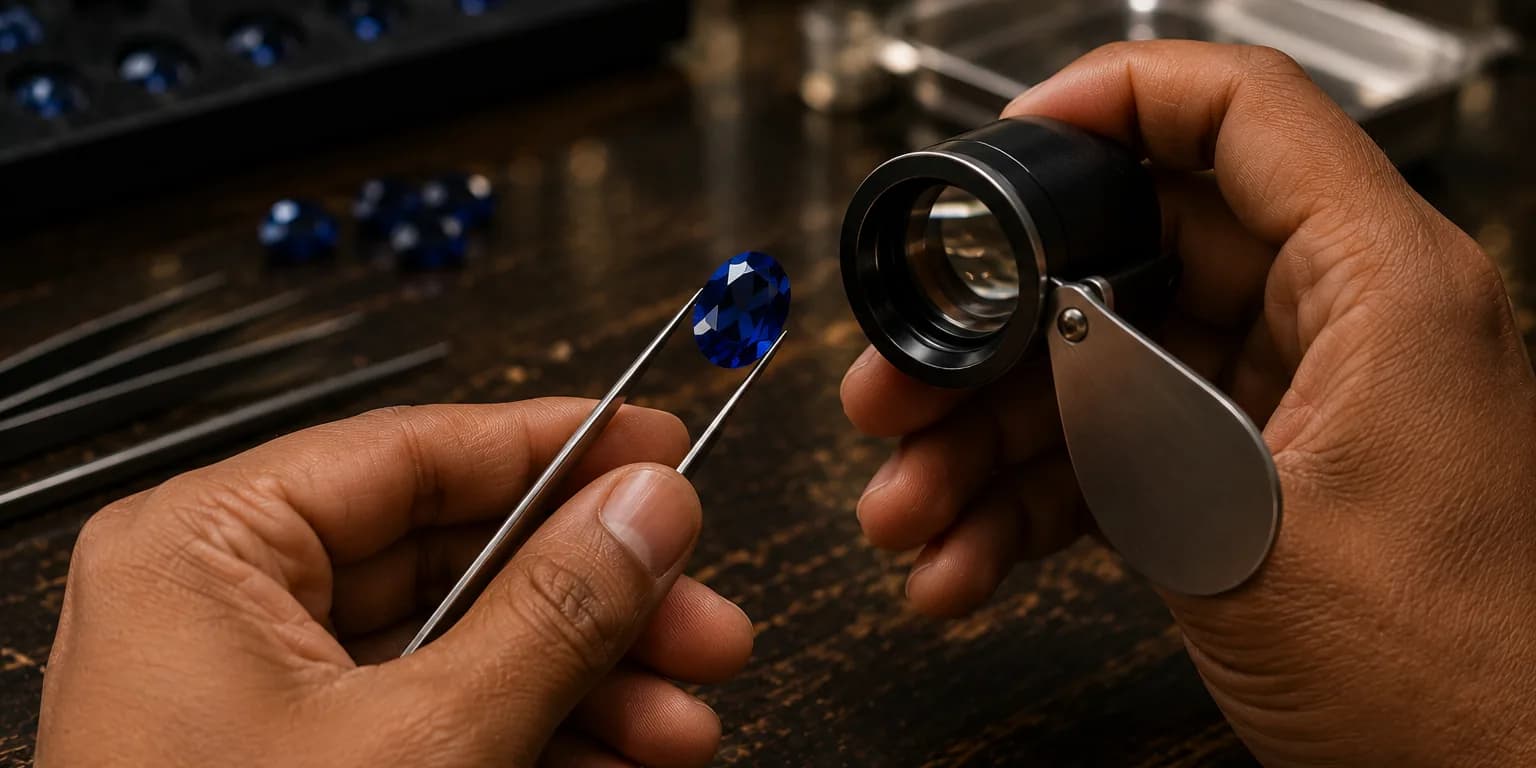
For any significant purchase, an independent gem report is the decisive check. A competent laboratory will identify the material, state whether it is natural or synthetic, and disclose detected treatments. Make the purchase conditional on the report where possible, and choose a laboratory independent of the seller, a report supplied with the stone should itself be checked, as explained in how to check a gem certificate.
If You Suspect a Stone You Already Own
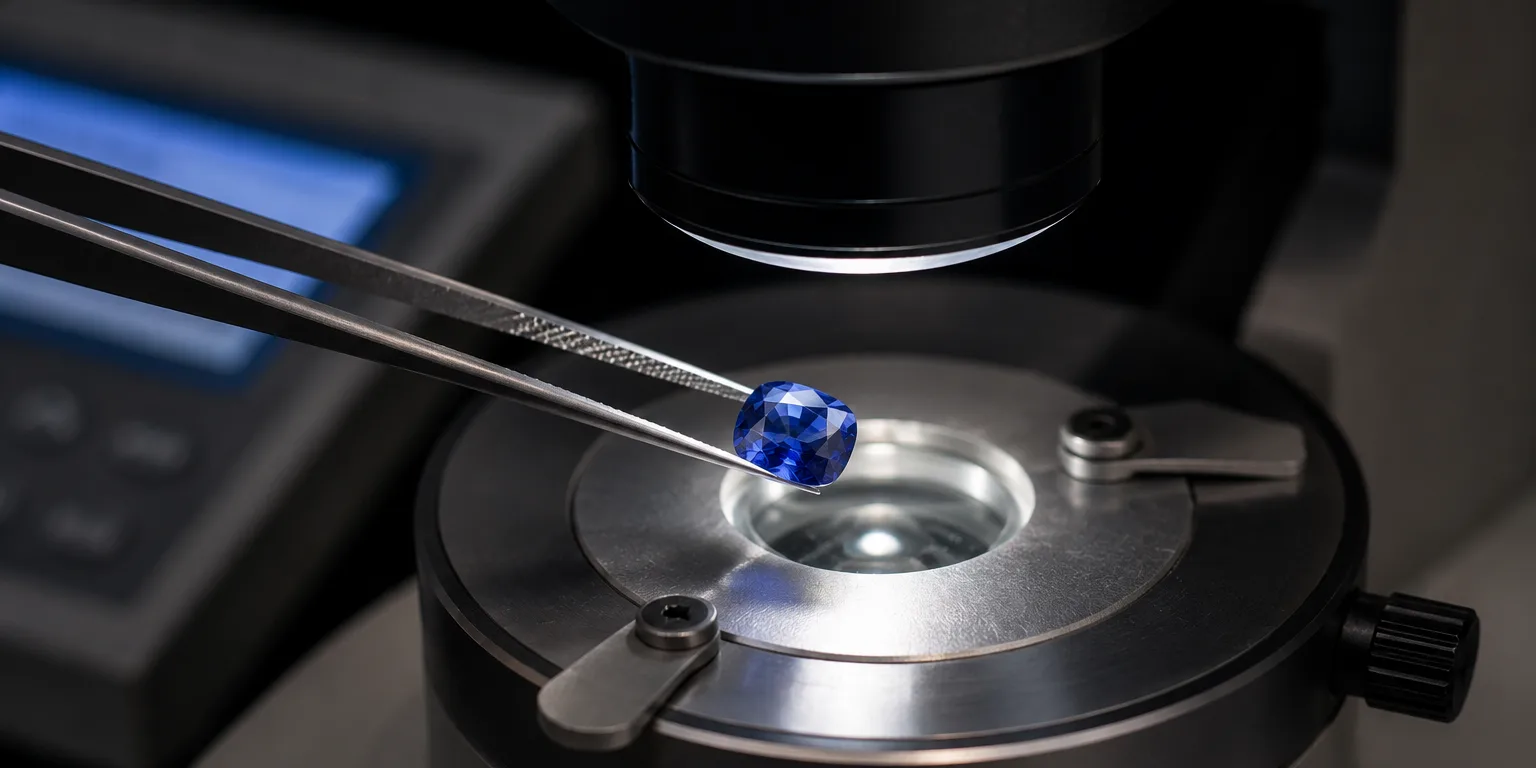
Do not confront the seller with accusations first, and do not attempt home testing. Take the stone and all documents to an independent laboratory for identification, and get the result in writing. If the report contradicts what you were sold, the invoice you insisted on becomes the basis for a remedy, and if the stone came with its own certificate, a second opinion from another laboratory is the proper next step.
Frequently asked questions
Can I tell if a gemstone is fake by looking at it?
Usually not. Good imitations and synthetics are convincing to the naked eye, and even experienced dealers use instruments. Visual inspection can raise suspicion, but only laboratory testing can settle identity.
Do home tests like the scratch test work?
No, and the scratch test can damage a genuine stone. Breath tests, torch tests and water tests are folklore. No reliable home test exists for gem identity.
Is a synthetic gemstone a fake?
Not when it is sold as synthetic. A laboratory-grown stone is the same material as its natural counterpart and is a legitimate product when disclosed. It becomes a deception only when sold as natural.
What is the most common gemstone deception?
Undisclosed treatment and identity substitution are the recurring problems: a treated stone sold as untreated, or a cheaper natural, synthetic or imitation material sold under a more valuable name.
When should I have a stone laboratory tested?
Whenever the purchase is significant to you, and always when a premium claim, natural, unheated, or a specific origin, is part of the price. Ideally, make the purchase conditional on the report.
Related terms
Sources
- Gemological Institute of America (GIA), Identification of natural, synthetic and imitation gem materials
- International Gem Society (IGS), Consumer education on gemstone simulants and testing limits
- CIBJO, The World Jewellery Confederation, Nomenclature and disclosure standards for gem materials
External references are provided for verification. Listing a source does not imply affiliation or endorsement.
Seen something that needs correcting? Read how corrections work or contact the editorial team.
Related Guides
Buying Guides
What Are the Red Flags When Buying Gemstones?
Ten red flags when buying gemstones, pressure tactics, resale-profit stories, fantasy discounts and documentation dodges, and why each one matters.
3 min read
Buying Guides
Natural vs Lab-Grown Gemstones: What Is the Difference?
Natural and lab-grown gemstones compared, how they differ in formation, identification and value, why disclosure matters, and which suits which buyer.
3 min read
Buying Guides
How Do You Check a Gem Certificate Is Genuine?
How to check a gem certificate, matching the report to the stone, verifying it with the issuing laboratory, and spotting altered or invented documents.
3 min read
Certificates
When Should You Get a Second Laboratory Opinion on a Gemstone?
When a second gem laboratory opinion is worth the cost, high-value stones, origin premiums, no-heat claims, conflicting documents and doubts about a report.
2 min read