Buying Guides
Natural vs Lab-Grown Gemstones: What Is the Difference?
Natural and lab-grown gemstones compared, how they differ in formation, identification and value, why disclosure matters, and which suits which buyer.
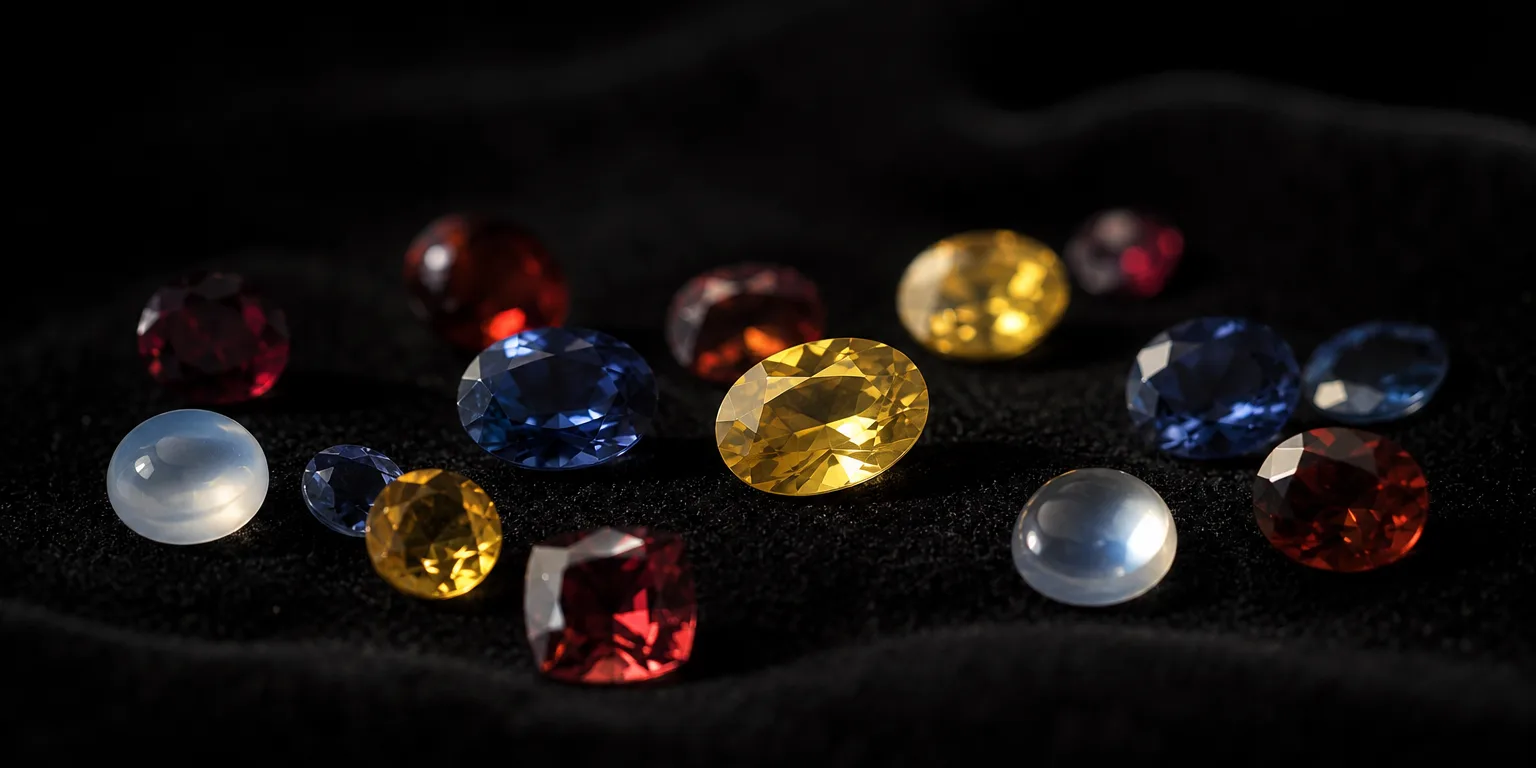
A lab-grown gemstone is the same material as its natural counterpart, same chemistry, same hardness, same appearance, created in a laboratory rather than in the earth. Both are legitimate purchases when correctly disclosed. Natural stones are scarcer and generally command substantially higher prices, so the essential protection is written disclosure and, for significant stones, laboratory verification.
Few subjects in the gem trade generate more confusion than laboratory-grown stones. They are simultaneously entirely genuine, the same material as their natural counterparts, and entirely different as purchases, because scarcity, not chemistry, is what the market prices. This guide sets out the differences that matter and the one rule that protects every buyer: disclosure.
What "Lab-Grown" Actually Means
A lab-grown (or synthetic) gemstone is produced by recreating, in a laboratory, the conditions under which the crystal forms in the earth. The result is the same substance: a lab-grown sapphire is corundum, just as a mined sapphire is, with the same hardness, the same optics and the same colour mechanisms.
This makes lab-grown stones fundamentally different from an imitation, which is a different material altogether, glass or cubic zirconia standing in for sapphire. An imitation mimics the look; a synthetic is the thing itself, minus the geology.
How Natural and Lab-Grown Compare
| Natural | Lab-grown | |
|---|---|---|
| Material | Gem mineral formed in the earth | Same mineral, grown in a laboratory |
| Appearance | Identical in ordinary viewing | Identical in ordinary viewing |
| Hardness and wear | Same as the species | Same as the species |
| Internal features | Natural inclusions, often distinctive | Growth features characteristic of the process |
| Scarcity | Finite; fine stones are rare | Producible to demand |
| Typical price | Substantially higher for comparable appearance | Substantially lower for comparable appearance |
| Resale and collecting | The established focus of collector demand | Limited secondary market interest |
| Correct sale terms | "Natural", with treatments disclosed | Clearly disclosed as laboratory-grown or synthetic |
Telling Them Apart
By eye, you generally cannot, and neither can most sellers. Laboratories separate natural from lab-grown stones by reading their internal evidence: natural inclusions and growth patterns on one side, process-characteristic features on the other. This is instrument work, which is why the practical answer for any significant stone is an independent gem report stating natural or laboratory-grown origin. Our guide to reading a gem report shows where that statement appears.
Value: Scarcity, Not Chemistry
Since the materials are the same, the price difference is entirely about scarcity and sentiment. Fine natural stones are rare, finite and the historic focus of collecting, so they command far higher prices than lab-grown stones of similar appearance, and the gap is why undisclosed synthetics are profitable to sell dishonestly.
Neither side of that gap is a mistake. A buyer who wants maximum beauty per unit of budget, in a stone they never intend to resell, can choose lab-grown with open eyes. A buyer who cares about rarity, provenance or eventual resale will pay the natural premium knowingly. Problems arise only when one is priced as the other.
Disclosure Is the Whole Game
Reputable trade practice, reflected in international nomenclature standards, requires lab-grown stones to be clearly described as such at every point of sale. When you buy, make the disclosure work in your favour: ask directly whether the stone is natural or laboratory-grown, require the answer on the invoice alongside any treatment disclosure, and for significant purchases verify with an independent laboratory. The wider procedure is covered in how to avoid fake gemstones.
Which Should You Buy?
If the purchase is significant to you financially, or a natural-stone premium is part of the price, insist on the paperwork and verification above, for sapphires specifically, see how to buy a sapphire. If you choose lab-grown, buy it labelled and priced as lab-grown, from a seller who says so on the invoice. Either way, the stone you should refuse is not the synthetic, it is the undisclosed one.
Frequently asked questions
Are lab-grown gemstones fake?
No. A lab-grown sapphire is genuine sapphire, the same material with the same chemical and physical properties as natural sapphire. It is an imitation only in the sense of origin, and it is a legitimate product whenever it is clearly disclosed as laboratory-grown.
Can you tell a lab-grown gemstone from a natural one by eye?
Generally not. The two are visually identical in ordinary conditions. Gemmological laboratories distinguish them by examining internal growth features and other characteristics under instruments.
Do lab-grown gemstones hold their value?
Natural stones are scarcer and have historically been the focus of collector and resale demand, so they generally command much higher prices than lab-grown equivalents. Anyone buying primarily with resale in mind tends to favour natural stones; buyers prioritising appearance per unit of budget may reasonably prefer lab-grown.
How do I make sure I am not sold a lab-grown stone as natural?
Require written disclosure that the stone is natural on the invoice, and for any significant purchase obtain a report from an independent laboratory, which will state clearly whether the stone is natural or laboratory-grown.
Related terms
Sources
- Gemological Institute of America (GIA), Identification of natural and laboratory-grown gem materials
- CIBJO, The World Jewellery Confederation, Nomenclature and disclosure rules for synthetic gemstones
- International Gem Society (IGS), Consumer education on synthetic gemstones
External references are provided for verification. Listing a source does not imply affiliation or endorsement.
Seen something that needs correcting? Read how corrections work or contact the editorial team.
Related Guides
Buying Guides
How to Identify Fake Gemstones and Avoid Them When Buying
How to avoid fake gemstones, understanding synthetics, imitations and undisclosed treatments, the checks that genuinely help, and when to use a laboratory.
3 min read
Buying Guides
How to Buy a Sapphire: What Actually Determines Quality
How to buy a sapphire with confidence, judging colour, clarity, cut and weight, understanding heat treatment and origin claims, and using laboratory reports.
3 min read
Certificates
How Do You Read a Gem Report, Field by Field?
A field-by-field walkthrough of a generic laboratory report, report number, species, variety, weight, measurements, colour, treatment comments and origin.
3 min read
Buying Guides
A Tourist's Guide to Buying Gems in Sri Lanka
A practical guide for visitors buying gems in Sri Lanka, where tourists buy, how to judge what you are shown, paying safely and taking stones home.
3 min read