Buying Guides
How to Buy Jewellery Online Safely
How to buy jewellery online safely, vetting sellers, reading listings and photos critically, paying with protection, and verifying the piece on arrival.
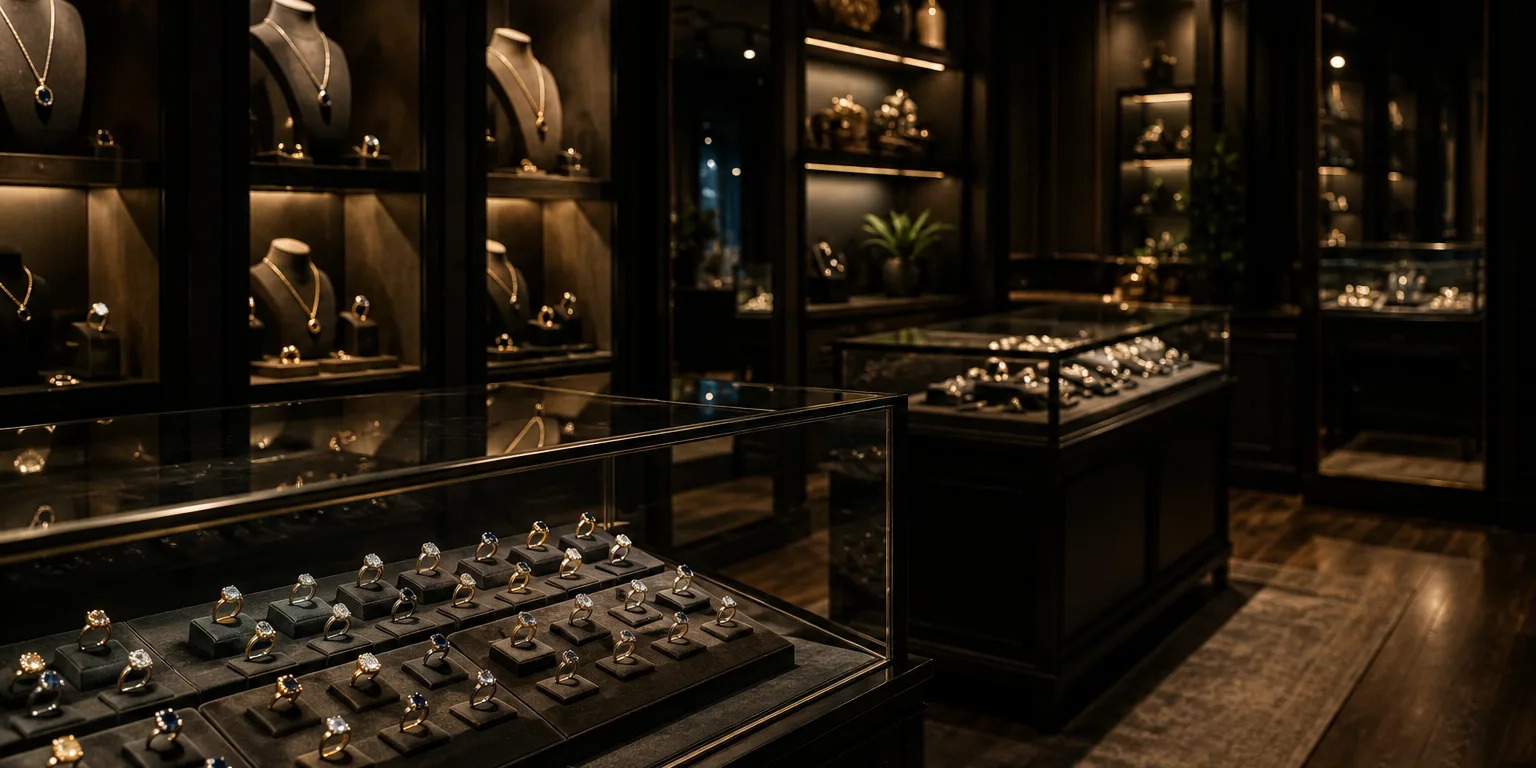
To buy jewellery online safely, vet the seller's identity and track record before the product, read the listing for specific written claims about metal, stones and treatments, pay by a method with buyer protection, and verify the piece against those claims, independently for significant purchases, within the return window.
Buying jewellery online removes the two protections a counter purchase gives you: the ability to examine the piece and the ability to look the seller in the eye. What replaces them is documentation, the seller's verifiable identity, the listing's written claims, and your payment records. Online, the paperwork is not the formality; it is the purchase.
Vet the Seller Before the Product
Reverse the natural order. Before admiring a single stone, establish who is selling: a full business name and physical address, working contact channels, and a history you can check, how long the business has existed and what pattern its reviews show across independent platforms, not just its own pages.
Treat anonymity as disqualifying. A seller who cannot be identified cannot be pursued, and the polish of a website says nothing, professional templates cost little, and the red flags that apply in person all have online equivalents.
Read the Listing Like a Contract
A good listing reads like an invoice: metal and stated fineness, stone identity, carat weight, whether the stone is natural or lab-grown, and its treatment status. Those written claims are what you can later hold the seller to.
Vague listings, "genuine sapphire ring", no weight, no treatment statement, protect the seller, not you. Before ordering anything significant, ask the missing questions in writing and keep the answers. If a certificate is mentioned, ask for the report number and verify it as described in how to check a gem certificate.
Judge Photos and Videos Critically
Product photography is advocacy. Lighting, magnification and editing can make a mediocre stone luminous, and screen colour is unreliable for exactly the factor, colour, that drives gem value most. Ask for video in natural daylight, images against a neutral background, and measurements in millimetres so you can judge real size rather than a cropped close-up.
A useful discipline: assume the piece in hand will look one step below the images. If it would still be worth the price, proceed; if the purchase only makes sense at the photographed best, it rarely survives arrival.
Pay With Protection
Use a payment method that provides buyer protection and a formal dispute route, and keep every record, order page, confirmation, correspondence. Be wary of sellers who steer you away from protected methods towards direct transfers, cryptocurrency or friends-and-family payments; removing your recourse is rarely an accident. On shipping, confirm insurance, tracking and who bears the risk in transit before paying, and remember that international deliveries can attract duties, see taking jewellery through customs for the general issues and verify specifics with official sources.
Verify on Arrival, Inside the Return Window
The return window is your inspection period; use it deliberately. Check the piece against the listing and invoice at once: purity marks against the stated fineness (our guide to gold hallmarks explains the markings), the stone against its description, and any gem report against the stone itself.
For significant purchases, book an independent verification immediately so the result arrives before the return period closes, a second opinion is worth far more while you can still send the piece back. And since the window is your safety net, confirm its terms before ordering: our guide to jewellery refunds and returns lists what to pin down in writing.
Frequently asked questions
Is it safe to buy jewellery online?
It can be, if you treat the seller's verifiable identity and written claims as the product. The risk concentrates where sellers are anonymous, claims are vague, payment is unprotected and returns are unclear.
How can I judge a gemstone from photographs?
Cautiously. Lighting, editing and magnification flatter stones, and colour on a screen is unreliable. Ask for video in daylight, photographs against neutral backgrounds, and the stone's measurements, then assume the piece in hand will be a step below the images.
What payment method should I use for online jewellery?
Use a method that offers buyer protection and a dispute process, and keep all records. Be wary of any seller who pushes you towards irreversible payment methods such as direct transfers to unfamiliar accounts.
What should I do when jewellery I ordered online arrives?
Check it against the listing and invoice immediately, metal marks, stone description, weight and any certificate, and have significant pieces independently verified within the return window, before the option to return expires.
Related terms
Sources
- CIBJO, The World Jewellery Confederation, Disclosure standards applying to distance selling of jewellery
- Gemological Institute of America (GIA), Gemstone terminology for reading online listings
- International Gem Society (IGS), Consumer guidance on buying gems remotely
External references are provided for verification. Listing a source does not imply affiliation or endorsement.
Seen something that needs correcting? Read how corrections work or contact the editorial team.
Related Guides
Buying Guides
Jewellery Refunds and Returns: What Should You Agree Before Paying?
Refund and return practices for jewellery vary widely between sellers, what to agree in writing before paying, and how to handle a dispute if one arises.
3 min read
Buying Guides
How Do You Check a Gem Certificate Is Genuine?
How to check a gem certificate, matching the report to the stone, verifying it with the issuing laboratory, and spotting altered or invented documents.
3 min read
Buying Guides
What Are the Red Flags When Buying Gemstones?
Ten red flags when buying gemstones, pressure tactics, resale-profit stories, fantasy discounts and documentation dodges, and why each one matters.
3 min read
Certificates
When Should You Get a Second Laboratory Opinion on a Gemstone?
When a second gem laboratory opinion is worth the cost, high-value stones, origin premiums, no-heat claims, conflicting documents and doubts about a report.
2 min read