Buying Guides
Jewellery Refunds and Returns: What Should You Agree Before Paying?
Refund and return practices for jewellery vary widely between sellers, what to agree in writing before paying, and how to handle a dispute if one arises.
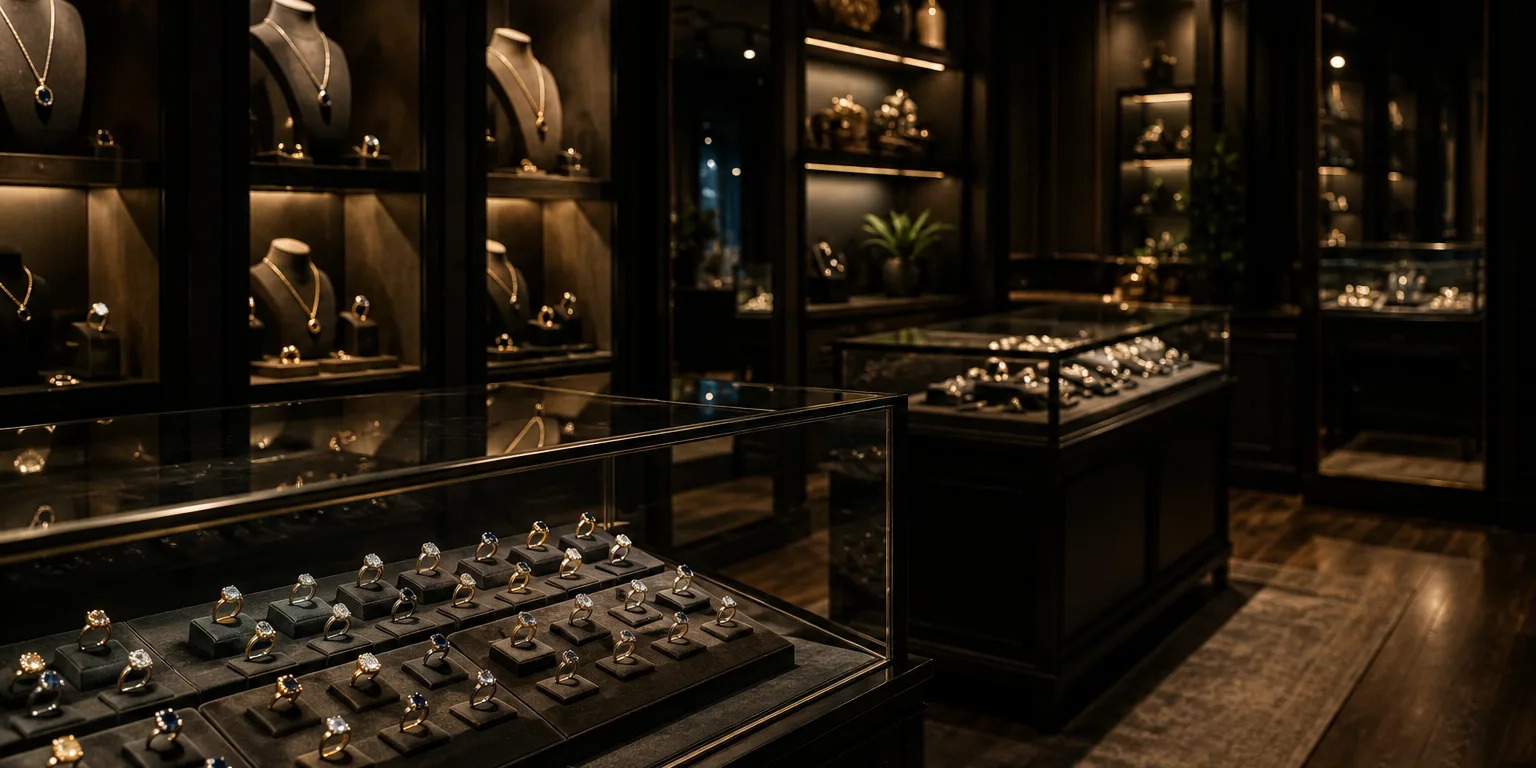
Return and refund practices for jewellery vary widely from business to business, so never assume a right to return exists. Before paying, agree in writing whether returns are accepted, within what period, with what deductions, and whether you receive a refund, exchange or credit note, and keep that written agreement with your invoice.
Buyers often discover a jeweller's return policy at the worst possible moment: after paying, holding a piece they want to give back. The uncomfortable truth is that return and refund practices vary widely from business to business, some offer generous exchange windows, others regard every sale as final. The protection you have is, to a large extent, the protection you agreed in writing before your money moved.
This guide does not describe legal rights, which differ by country and change over time; verify those with official sources for the relevant jurisdiction. It describes what to agree with the seller so you are not relying on goodwill later.
Why You Cannot Assume a Return Policy
Jewellery is a trade of small businesses with individual practices, and in a market like Sri Lanka's, where many buyers are travellers who leave the country days after purchasing, sellers know that most disputes simply evaporate. Assuming that "shops take things back" is a habit imported from large retail chains, and it does not transfer.
Treat the return policy as one of the terms of the purchase, negotiated alongside the price. A seller's answer to "what are your return terms, in writing?" also tells you something about how they expect the relationship to end, it is one of the standard questions to ask a jeweller.
The Four Things to Pin Down in Writing
Before paying, have the seller state on the invoice or an attached document:
- Whether returns are accepted at all, and for which goods, since stones, ready-made pieces and altered items are often treated differently.
- The time limit, the number of days, counted from purchase or delivery.
- Any deductions, restocking charges, non-refundable making charges, or forfeited deposits.
- The form of the remedy, money returned to your payment method, an exchange, or a credit note usable only in that shop. These are very different things; a credit note is close to worthless to a traveller flying home.
Also agree the required condition of the item and keep all packaging, tags and paperwork until you are certain you are keeping the piece.
Misdescription Is a Different Conversation
Distinguish two situations sharply. A change of mind is governed by whatever terms you agreed. A misdescription, a stone whose laboratory report contradicts the invoiced treatment status, or metal that tests below the stated fineness, is a claim that you did not receive what you paid for, and reputable sellers treat it differently.
Your position in a misdescription dispute is built from documents: the itemised invoice recording the claims, and independent findings such as a gem report. This is one more reason to insist that every claim is written down and, for significant purchases, to verify promptly, ideally within any return window, as our guide to buying jewellery online recommends for distance purchases.
Custom Orders and Deposits
Custom-made and personalised pieces are commonly excluded from ordinary returns, since they were made to your instruction. Agree separately, before commissioning, what happens if the finished piece fails to match the written specification, and whether the deposit is refundable if the project is cancelled at each stage. Our guide to buying custom jewellery covers the full commissioning paper trail.
If a Dispute Arises
Stay methodical. Gather the invoice, the written terms, payment evidence and any independent verification, and put your complaint to the seller in writing, stating clearly what remedy you seek. Established businesses resolve most documented complaints, because documented complaints are the ones that follow them.
If direct resolution fails, options depend on where you bought and how you paid, card providers' dispute processes, consumer bodies in the relevant country, or in Sri Lanka the industry's public institutions, whose current complaint procedures you should verify directly with official sources. Whatever the route, the buyer who agreed terms in writing before paying starts every conversation ahead.
Frequently asked questions
Can I return jewellery I bought in Sri Lanka?
It depends entirely on the terms you agreed with the seller. Practices vary widely between businesses, so agree the return terms in writing before paying rather than assuming any standard applies.
What return terms should I ask for when buying jewellery?
Whether returns are accepted at all, the time limit, the condition required, any deductions or restocking charges, whether you receive money back or only an exchange or credit note, and how misdescription is handled, all in writing.
What if the jewellery turns out to be different from what was described?
A documented misdescription, a treated stone sold in writing as untreated, or a lower metal fineness than invoiced, is a stronger position than a change of mind. Gather your invoice, the written claims and any independent laboratory findings, and raise the matter with the seller in writing first.
Are deposits on jewellery refundable?
Sometimes, sometimes not, and partly, in some businesses. Whether a deposit is refundable, and on what conditions, should be stated in writing at the moment you pay it, especially for custom orders.
Related terms
Sources
- National Gem and Jewellery Authority of Sri Lanka (NGJA), Named as the industry regulator; readers should verify current consumer guidance directly
- CIBJO, The World Jewellery Confederation, Disclosure standards relevant to misdescription disputes
- International Gem Society (IGS), Consumer perspective on gem purchase disputes
External references are provided for verification. Listing a source does not imply affiliation or endorsement.
Seen something that needs correcting? Read how corrections work or contact the editorial team.
Related Guides
Buying Guides
How to Buy Jewellery in Sri Lanka: A Practical Guide
What to know before buying jewellery in Sri Lanka, gold purity and hallmarks, making charges, gemstone-set pieces, documentation and taking your purchase home.
3 min read
Buying Guides
What Questions Should You Ask a Jeweller Before Buying?
Twelve practical questions to ask a jeweller before you buy, covering stones, metal, price breakdown, paperwork and returns, and how to judge the answers.
3 min read
Buying Guides
How to Buy Jewellery Online Safely
How to buy jewellery online safely, vetting sellers, reading listings and photos critically, paying with protection, and verifying the piece on arrival.
3 min read
Buying Guides
How to Commission Custom Jewellery in Sri Lanka
How to commission custom jewellery, agreeing design and materials in writing, sourcing the stone, making charges, and inspecting the finished piece.
3 min read