Rules & Export
Personal Purchase vs Commercial Export: Where Is the Line?
How personal gemstone purchases differ from commercial exports in Sri Lanka, intent, quantity, documentation, and which authorities decide the boundary.
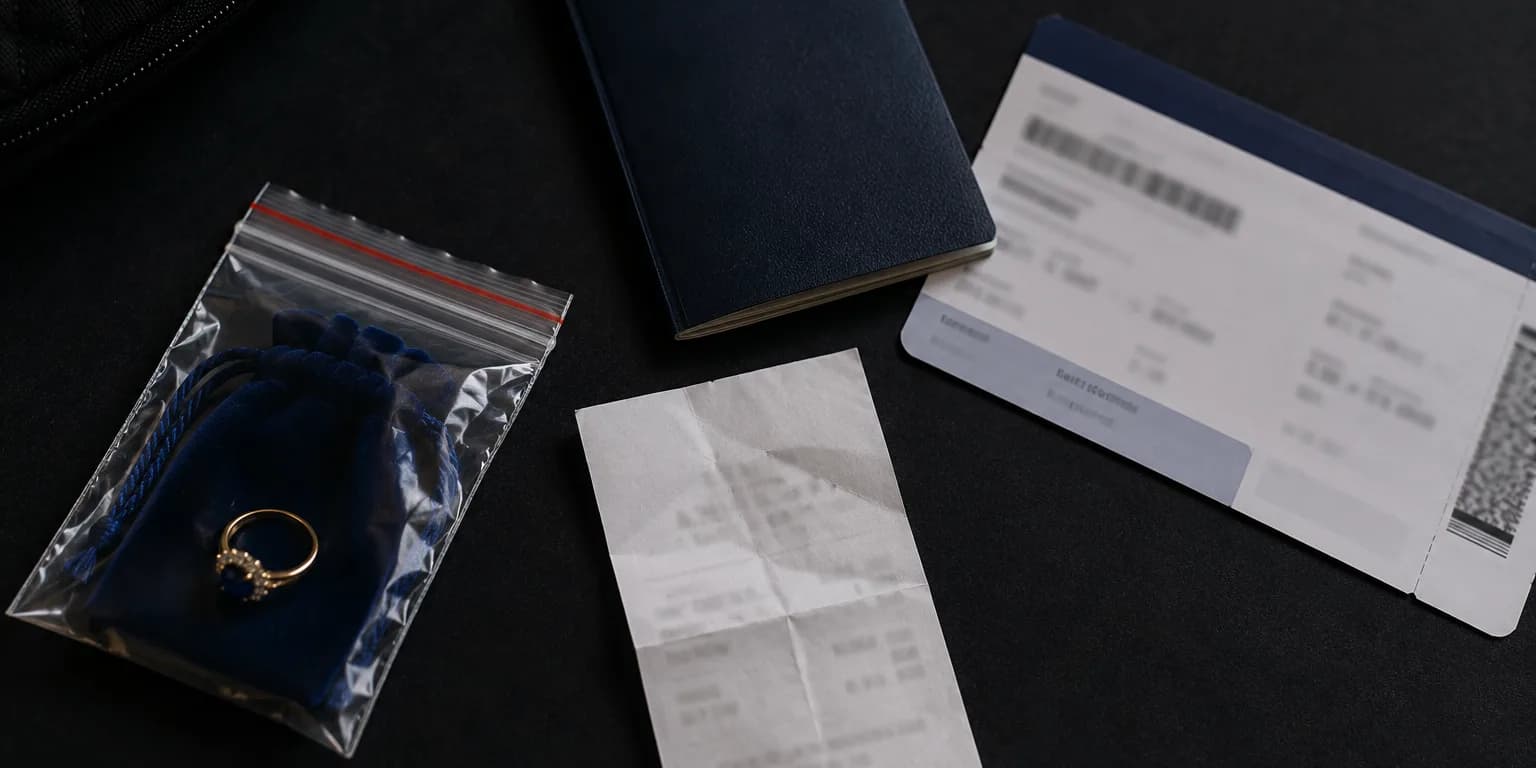
The distinction generally rests on intent and scale: a stone or piece of jewellery bought for your own use is a personal purchase, while goods bought for resale, or in quantities consistent with resale, are commercial exports, which typically involve licensing and formal export documentation through the National Gem and Jewellery Authority and Sri Lanka Customs. If your situation could look commercial, ask those authorities before you travel or ship.
Most border difficulties involving gemstones are not about smuggling in any dramatic sense. They are about a traveller whose goods look commercial being processed under rules written for trade, without the paperwork trade requires. Understanding where the line generally falls, and asking the authorities when you are near it, prevents almost all of these situations.
The General Distinction: Use Versus Trade
Customs systems around the world, Sri Lanka's included, generally distinguish between goods for personal use and goods moving in trade. A sapphire ring bought for your own hand, a stone bought to be set at home, a gift for a family member: these are personal purchases. Stones or jewellery bought to be sold again are trade goods, and moving them across a border is a commercial export.
The distinction matters because the two are handled through entirely different processes. Personal purchases travel with the buyer under traveller declaration rules. Commercial exports typically involve licensing and documentation through the responsible authorities, in Sri Lanka, the National Gem and Jewellery Authority for the trade itself and Sri Lanka Customs at the border.
What Makes Goods Look Commercial
Intent is invisible; customs officers work from what they can see. The signals that generally push goods towards commercial treatment include:
- Quantity: multiple similar stones or pieces beyond plausible personal use
- Packaging: parcelled lots, stock papers, dealer-style presentation
- Paperwork: invoices naming a business, stock lists, correspondence about resale
- Pattern: frequent trips carrying similar goods
None of these is decisive on its own, and this article cannot tell you where current practice draws the line. What it can tell you is that if several of these signals apply to you, the safe course is to ask the NGJA and Sri Lanka Customs how your goods will be treated before you book travel or shipping.
What Personal Purchase Generally Involves
A personal purchase travels on the strength of its documents: an itemised invoice from a licensed dealer, payment evidence, and any laboratory report. The buyer deals with customs as a traveller, declaring where the current rules require, see taking gemstones out of Sri Lanka and customs declarations. Preparation is largely a matter of keeping papers together, as set out in documents required.
What Commercial Export Generally Involves
Commercial export is a business process. It typically involves the exporter being registered or licensed, formal export declarations, commercial invoices and clearance through the responsible authorities before goods leave. Buyers on the commercial side of the line should read export procedures and gem dealer licences, and then engage directly with the NGJA and Sri Lanka Customs, whose current requirements govern.
If You Are Not Sure Which You Are
- List honestly what you intend to carry and why.
- Ask yourself how the goods would look to an officer who cannot read your mind.
- Put the question to the NGJA and Sri Lanka Customs in advance, in writing where possible.
- Never split goods among companions to make them look personal, that itself creates serious risk.
- Keep every document either way; documentation helps on both sides of the line.
Verify Before You Rely on This
This article explains a general distinction, not the current legal boundary, and it is not legal advice. Where the line falls in practice is determined by the rules the authorities apply today. Verify your specific situation with the National Gem and Jewellery Authority and Sri Lanka Customs before moving goods, official contacts are on our sources page.
Frequently asked questions
How many gemstones can I take home before it counts as commercial?
There is no figure we can responsibly quote: the boundary depends on current rules, the nature of the goods and the circumstances. If you are carrying more than clearly personal items, put the question to the NGJA and Sri Lanka Customs before travelling.
Does it matter that I have not decided whether to resell?
Customs treatment generally follows the objective character of the goods as much as stated intent. Quantities, packaging and paperwork consistent with trade can attract commercial treatment regardless of what you later decide to do.
Can a tourist carry out stones on behalf of someone else's business?
Carrying goods for another party's business is generally a commercial activity, whoever physically carries them, and doing so without the proper procedures creates risk for the carrier. Seek guidance from the authorities before agreeing to anything of the kind.
What does commercial export involve that personal carriage does not?
Commercial exports typically involve registration or licensing of the exporter, formal export declarations, commercial invoices and clearance through the responsible authorities, rather than a traveller's personal declaration.
Sources
- National Gem and Jewellery Authority of Sri Lanka (NGJA), Responsible authority for trade licensing and export regulation. Verify current requirements directly.
- Sri Lanka Customs, Responsible authority for border treatment of personal and commercial goods. Verify current requirements directly.
External references are provided for verification. Listing a source does not imply affiliation or endorsement.
Seen something that needs correcting? Read how corrections work or contact the editorial team.
Related Guides

Rules & Export
Gem and Jewellery Export Procedures in Sri Lanka: An Overview
The general shape of commercial gem and jewellery export from Sri Lanka, licensing, declarations, valuation and clearance through the NGJA and Customs.
3 min read
Rules & Export
NGJA Gem Dealer Licences in Sri Lanka: How Licensing Works
How gem dealer licensing generally works in Sri Lanka, why buying from licensed dealers matters, and how to check a dealer's status with the NGJA.
3 min read
Rules & Export
Taking Gemstones Out of Sri Lanka: What Travellers Should Know
How travellers generally take purchased gemstones out of Sri Lanka, declarations, documentation and the official bodies to check with before departure.
3 min read
Rules & Export
Customs Declarations for Gems and Jewellery: How They Work
What customs declarations are, when travellers and traders are generally expected to make them for gems and jewellery, and how to prepare one properly.
3 min read