Certificates
How Can You Spot a Fake or Altered Gem Certificate?
Warning signs of fake or altered gem reports, mismatched weights, edited dates, photocopies in place of originals, and sellers resisting laboratory checks.
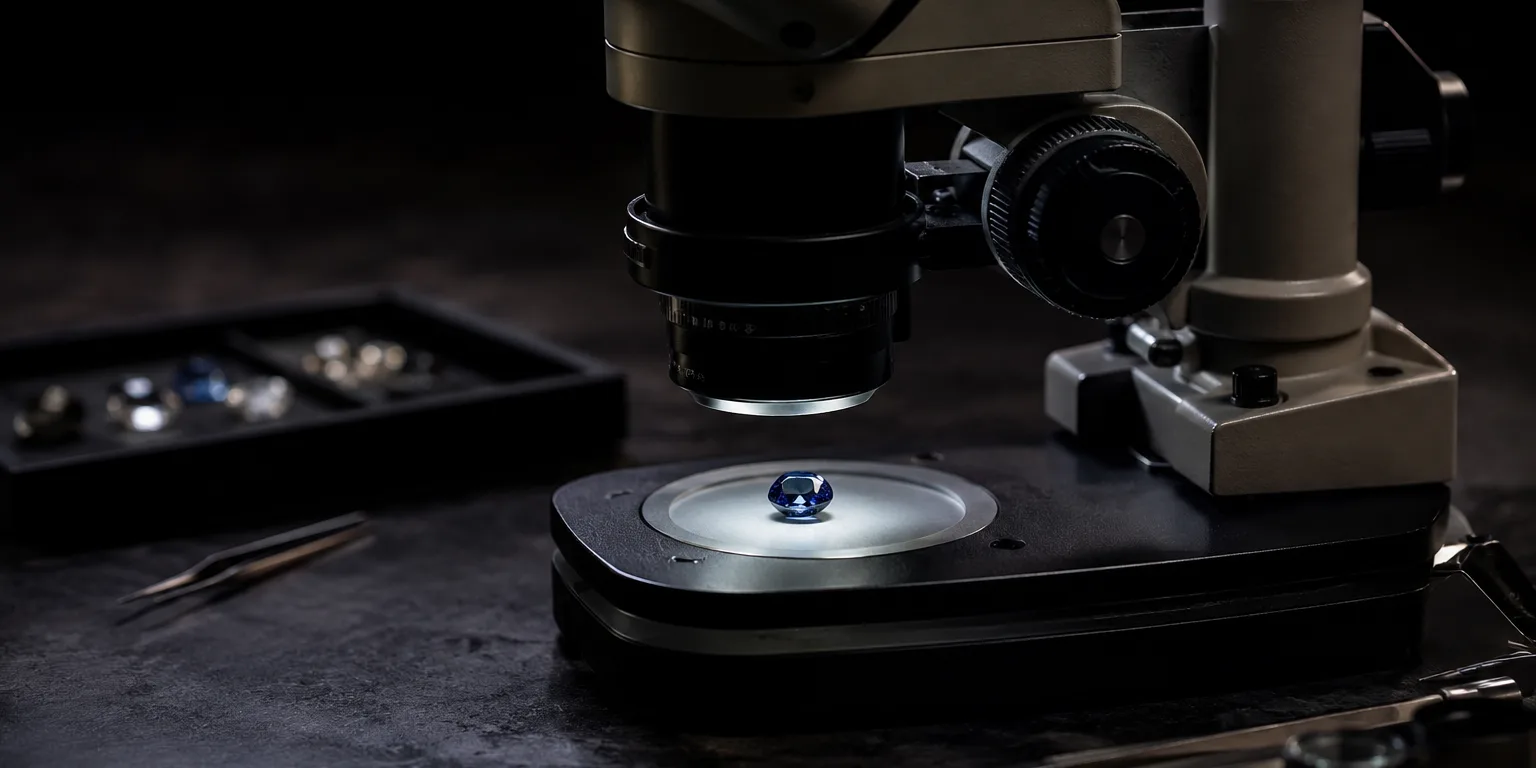
Warning signs of a fake or altered gem report include weights or measurements that do not match the stone, dates or figures that appear edited, photocopies or images offered in place of an original document, details that fail the laboratory's own online lookup, and sellers who resist direct verification with the laboratory. Any one of these is reason to pause and check through the laboratory's own channels.
The gem trade runs on documents, and anything that carries value can be imitated, stones and paperwork alike. Most reports offered with stones are exactly what they appear to be. But because a report can add substantially to a price, buyers should know how a doubtful document announces itself, and what to do when one does.
None of the signs below proves wrongdoing; documents get damaged, reissued and photocopied for innocent reasons. Each sign is simply a reason to verify before relying, and every one of them is resolved the same way, through the laboratory itself.
The Stone Is the First Test
The most reliable check requires no expertise in documents at all. A gem report states a precise carat weight and measurements; the stone in front of you either matches them or it does not. Have the stone weighed in your presence and compare the figures, then check the dimensions, shape, cutting style and described colour.
A mismatch means one of two things: the document has been altered, or it belongs to a different stone. Either way, this paper does not describe this stone, and a genuine report paired with the wrong stone is just as unhelpful to you as a forged one. Our guide to reading a gem report walks through each field you are comparing.
Signs on the Document Itself
Look at the document as a document. Warning signs include:
- Apparent edits, dates, weights or conclusions that look retyped, overwritten, abraded or inconsistent in print quality with the rest of the page
- Internal contradictions, measurements that could not belong to the stated weight and shape, or fields that disagree with each other
- Missing basics, no report number, no date, or wording far vaguer than laboratories use
- Quality that feels wrong, flimsy paper and smudged printing where an established laboratory's document would be crisply produced
Photocopies, scans and phone images deserve their own mention: they are not documents. A copy cannot carry security features, and it proves neither that an original exists nor that it travels with this stone. For any significant purchase, insist on the original.
The Decisive Check: Go to the Laboratory
Every documentary doubt collapses into one action, checking with the issuing laboratory through channels the seller does not control. Many laboratories offer online report-number lookup on their own websites; the full procedure, including why you must find the laboratory's contact details independently rather than using those printed on the document, is set out in laboratory report verification.
The seller's reaction to this step is itself information. A reputable dealer expects buyers to verify and loses nothing by it. Excuses, delays or pressure to skip verification, "there's no time", "the laboratory is closed", "you can trust me", are classic warning signs, discussed alongside others in red flags when buying gemstones.
What to Do When Doubt Remains
Do not negotiate around a doubtful document; a discount does not make a synthetic natural or an undisclosed treatment disappear. Instead, take the question back to the stone: make any purchase conditional, in writing, on fresh testing at a laboratory you choose, the approach described in when to get a second opinion.
You never need to establish who altered what, or accuse anyone of anything. Your only task is simpler: buy no stone whose documentation you could not verify. That rule costs nothing and protects everything.
Frequently asked questions
What is the fastest check on a suspicious gem certificate?
Two checks together: weigh the stone and compare it with the report's stated weight, and enter the report number into the issuing laboratory's own online lookup where one is offered. A document that fails either check should not support a purchase.
Are genuine reports ever misused?
A genuine document can be paired with a different stone than the one it describes, which is why matching weight and measurements matters as much as checking the document itself. The paper and the stone must both check out.
Is a photocopy of a certificate acceptable?
For a significant purchase, no. A copy proves neither that the original exists nor that it belongs to this stone. Ask for the original, verify it with the laboratory, and where doubt remains have the stone retested.
What should I do if a document seems altered?
Do not complete the purchase on the strength of it. Verify through the laboratory's own channels, and if doubt remains, make any sale conditional on fresh testing at a laboratory you choose. There is no obligation to determine who altered what, only to protect yourself.
Related terms
Sources
- Gemological Institute of America (GIA), Laboratories publish report-checking facilities, reference only, no affiliation
- CIBJO, The World Jewellery Confederation, Trade documentation and disclosure standards, reference only, no affiliation
- National Gem and Jewellery Authority of Sri Lanka (NGJA), Public-body context for the Sri Lankan gem trade, reference only, no affiliation
External references are provided for verification. Listing a source does not imply affiliation or endorsement.
Seen something that needs correcting? Read how corrections work or contact the editorial team.
Related Guides
Certificates
How Do You Verify That a Laboratory Report Is Genuine?
How to check a gem laboratory report using online report-number lookup, document security features and a physical comparison between the stone and the paper.
3 min read
Certificates
How Do You Read a Gem Report, Field by Field?
A field-by-field walkthrough of a generic laboratory report, report number, species, variety, weight, measurements, colour, treatment comments and origin.
3 min read
Certificates
When Should You Get a Second Laboratory Opinion on a Gemstone?
When a second gem laboratory opinion is worth the cost, high-value stones, origin premiums, no-heat claims, conflicting documents and doubts about a report.
2 min read
Buying Guides
What Are the Red Flags When Buying Gemstones?
Ten red flags when buying gemstones, pressure tactics, resale-profit stories, fantasy discounts and documentation dodges, and why each one matters.
3 min read