Spinel
The great impostor turned connoisseur favourite
Spinel is a magnesium aluminium oxide that forms in many of the same environments as corundum and shares Sri Lanka's gem gravels with sapphire. For centuries its finest red stones were mistaken for ruby, several famous historic 'rubies' in royal regalia are in fact spinels.
Updated:
Natural Beauty
From Sri Lanka
Durability
Mohs 8
Treatments
Typically untreated
Overview
Sri Lanka is an important source, particularly of blue, violet, pink and grey spinels, and the gem's typically untreated state has made it a modern connoisseur favourite.
Colours
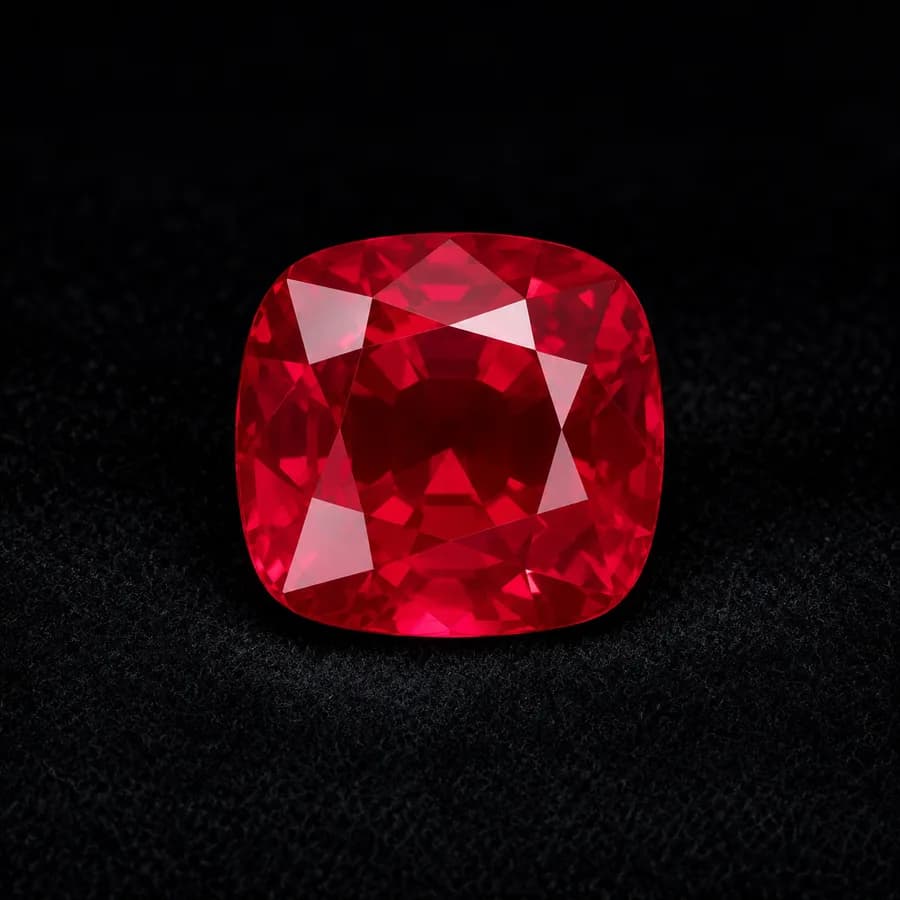
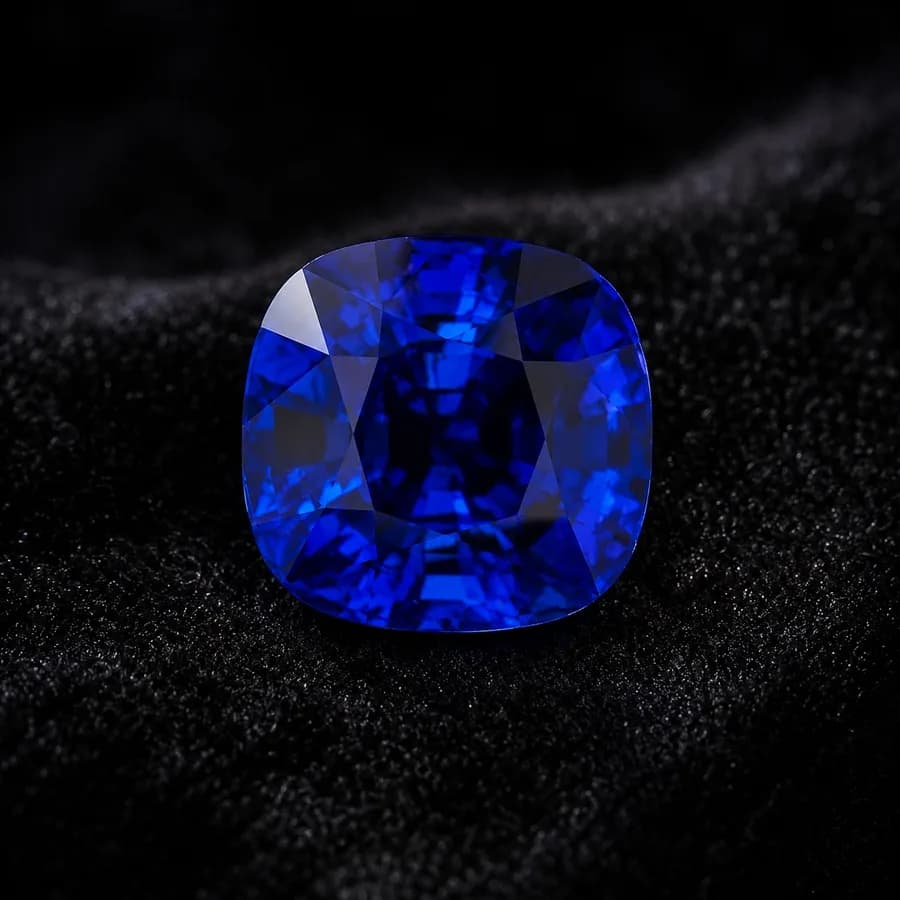
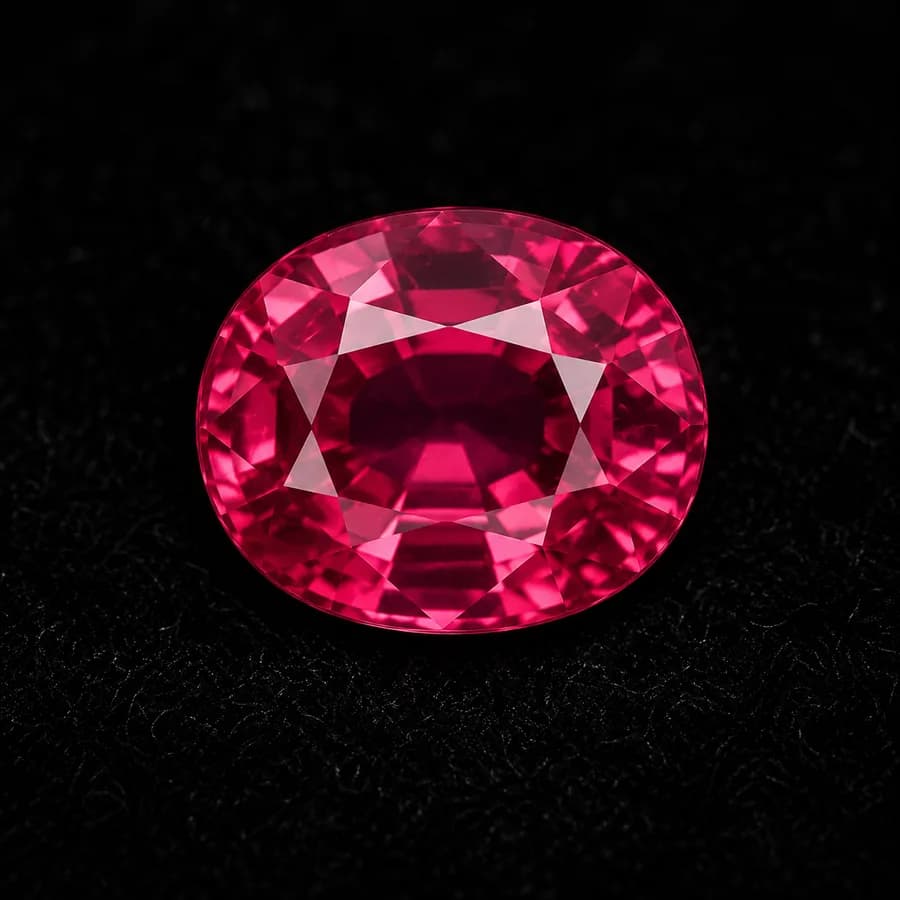
Spinel offers one of the widest colour ranges of any gem species: chromium produces reds and pinks, iron and cobalt drive blues and violets, and various combinations give orange, lavender, grey and near-black stones. Sri Lanka is particularly noted for blue, violet and grey spinels alongside pinks; the fashionable soft grey stones of recent years are strongly associated with the island. Cobalt-bearing blue spinel, an especially vivid and rare colour, has been reported from Sri Lankan gravels among other sources. Because spinel is singly refractive, its colours often appear pure and even to the eye, without the pleochroism seen in corundum, one of the subtle signatures of the species.
Quality Factors
Spinel is judged on the familiar factors of colour, clarity, cut and size, with colour foremost. Vivid reds and hot pinks lead the market, followed by intense cobalt-type blues; softer lavenders, violets and greys offer character at gentler prices. Spinel rough is often relatively clean, so eye-clean stones are the expectation, and the species' brilliance rewards precise cutting. Fine spinel above a few carats is genuinely scarce, and prices climb steeply with size in top colours. Because virtually all spinel is untreated, buyers are largely spared treatment anxieties, but laboratory confirmation of natural origin remains worthwhile, synthetic spinel has been manufactured for over a century and is common in older jewellery.
Treatments
One of spinel's greatest commercial virtues is that it is typically untreated: the overwhelming majority of stones are sold exactly as nature made them, needing neither heat nor any other enhancement. Heating has been applied to some material to modify colour, and any such treatment should be disclosed at every stage of sale under international trade standards such as CIBJO's Gemstone Book (Blue Book). The more practical concern is synthetic spinel, produced in quantity since the early twentieth century and widespread in vintage and costume jewellery, often as a simulant of other gems. A gemmological laboratory can separate natural from synthetic spinel reliably and confirm the absence of treatment, and a report is recommended for any fine stone.
CIBJO’s Gemstone Book, one of the Blue Book standards published by the World Jewellery Confederation, calls for every treatment to be disclosed at each sale, and consumer law in many countries separately requires material facts such as treatment to be disclosed. Undisclosed treatment is grounds to walk away, see our guide to heated versus unheated stones.
Origin in Sri Lanka
Sri Lanka's alluvial gravels have yielded spinel for as long as they have yielded sapphire, with recovery around Ratnapura, Elahera, Balangoda and Okkampitiya. Historically, red spinels traded along Asian routes were often called balas rubies, and the confusion with ruby persisted until modern mineralogy separated the species. Other celebrated origins include Myanmar, famous for vivid reds, plus Tajikistan, Vietnam and East Africa. Sri Lankan spinel is respected for its blues, violets, pinks and greys, and the island's material features prominently in the gem's current revival. Laboratories can sometimes offer origin opinions based on inclusions and chemistry.
Origin describes where a stone was mined, it is not a grade, and trade terms such as “Ceylon” are origin descriptions, never an automatic premium. A fine stone from elsewhere can outclass a mediocre stone from a famous source; judge colour, clarity, cut and treatment first. Remember also that a laboratory origin determination is an expert opinion based on inclusions and chemistry, not an infallible guarantee, and a seller’s origin claim is not laboratory confirmation. Origin claims belong on the invoice and, for important stones, in a report.
Care
Spinel is an easy gem to live with: hardness 8, good toughness and no cleavage make it suitable for rings and daily wear. Clean with warm soapy water and a soft brush; ultrasonic and steam cleaning are generally safe for this typically untreated species, though gentle methods are always the cautious default. Spinel resists scratching from everyday materials, but diamonds and corundum in the same jewellery box can scratch it, so store pieces separately. Avoid sharp impacts on exposed corners of fancy cuts. With routine care and periodic professional checks of the setting, a spinel will keep its brilliance indefinitely.
As a Loose Stone
Where It Is Found in Sri Lanka
- Ratnapura
- Elahera
- Balangoda
- Okkampitiya
Common Treatments at a Glance
- Typically untreated
- Heating (occasional; must be disclosed)
All treatments must be disclosed at sale. See our treatment guides and treatment reports.
Spinel: frequently asked questions
Why was spinel historically confused with ruby?
Red spinel and ruby form in similar marble and gravel environments, share a chromium-driven red colour and often occurred together in the same trading routes. Before modern gemmology distinguished the minerals, fine red spinels entered royal collections described as rubies, a famous example of the confusion in European regalia.
Is spinel usually treated?
No, spinel is one of the few major gems that is typically sold untreated, which is a significant part of its appeal. Occasional heating exists and must be disclosed. The more common issue is century-old synthetic spinel in estate jewellery, which laboratory testing identifies easily.
How can I tell if a spinel is real?
Natural spinel can be confused with synthetic spinel, garnet, corundum and glass. A gemmological laboratory or qualified gemmologist can identify it with standard instruments, and a laboratory report will confirm natural origin. For fine stones, particularly reds and cobalt blues, documentation is strongly recommended.
Is spinel a good alternative to ruby or sapphire?
Many buyers think so: spinel offers brilliant, pure colour, excellent durability at hardness 8 and untreated status, often at prices below comparable corundum. Fine reds and cobalt blues have risen strongly in demand. As ever, judge the individual stone and its documentation.