Blue Sapphire
The classic blue gem of kings and connoisseurs
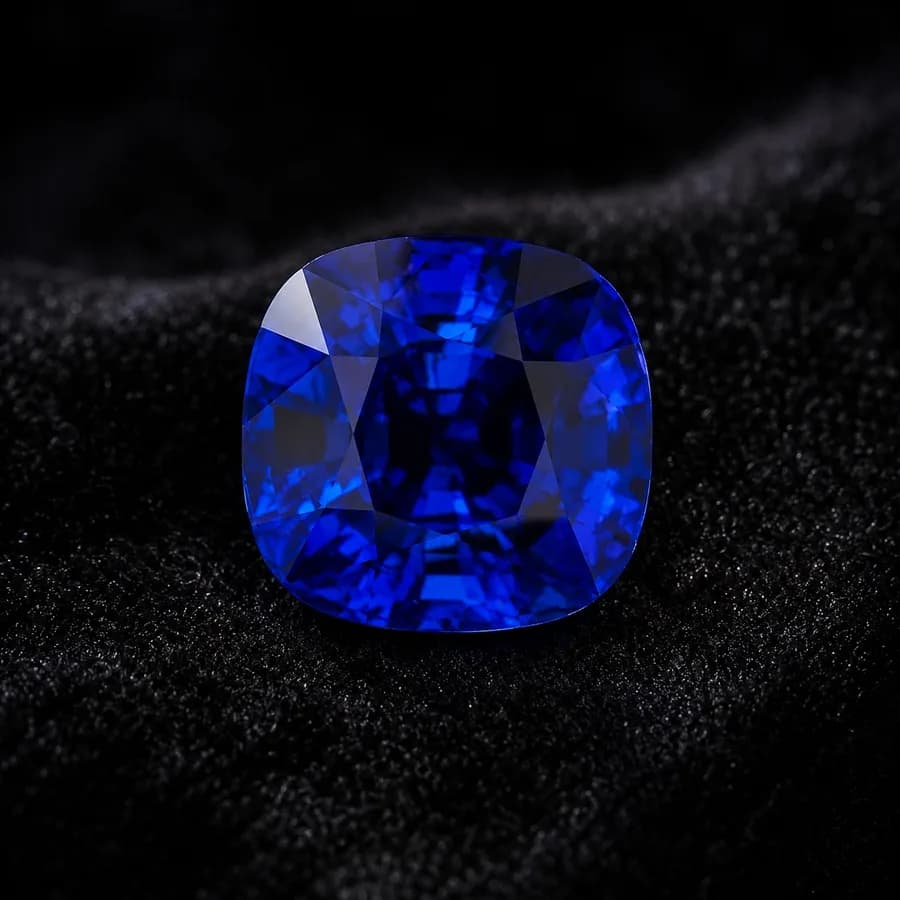
Blue sapphire is the blue variety of corundum and the colour most people picture when they hear the word sapphire. Sri Lanka is among the world's most historically significant sources, known for stones with bright, lively blues and good transparency.
Updated:
Natural Beauty
From Sri Lanka
Durability
Mohs 9
Treatments
Heating (very common)
Overview
Blue sapphire is the traditional birthstone for September and one of the most popular coloured gemstones for engagement rings.
Colours
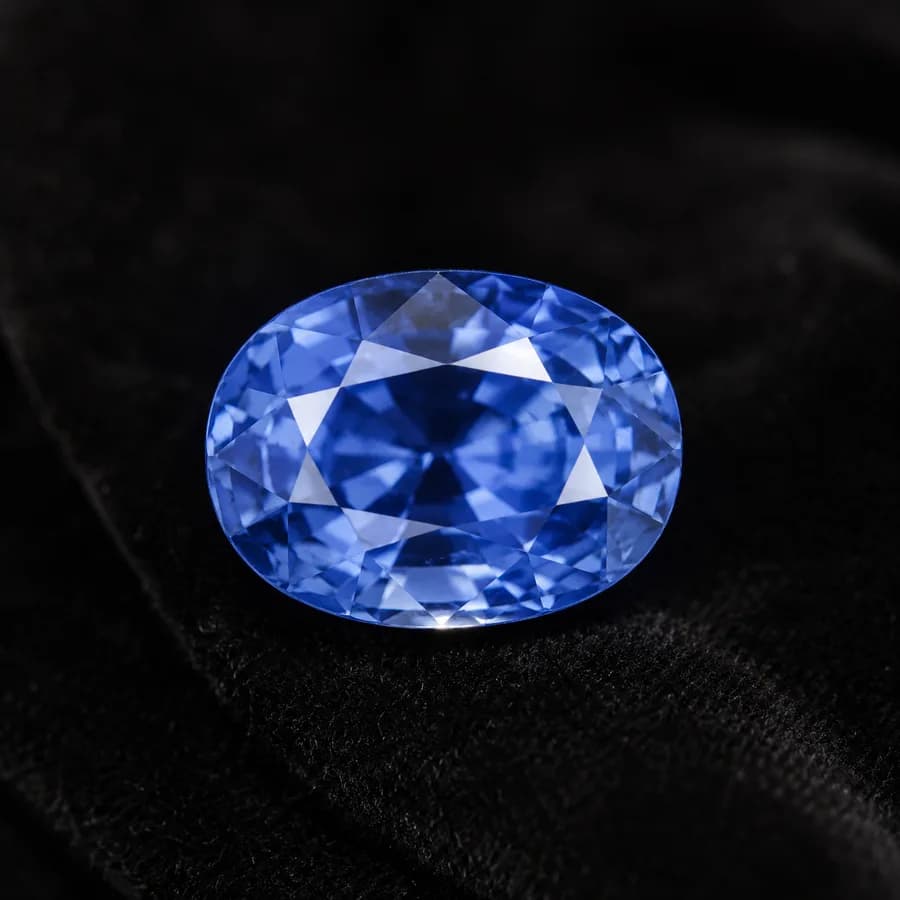
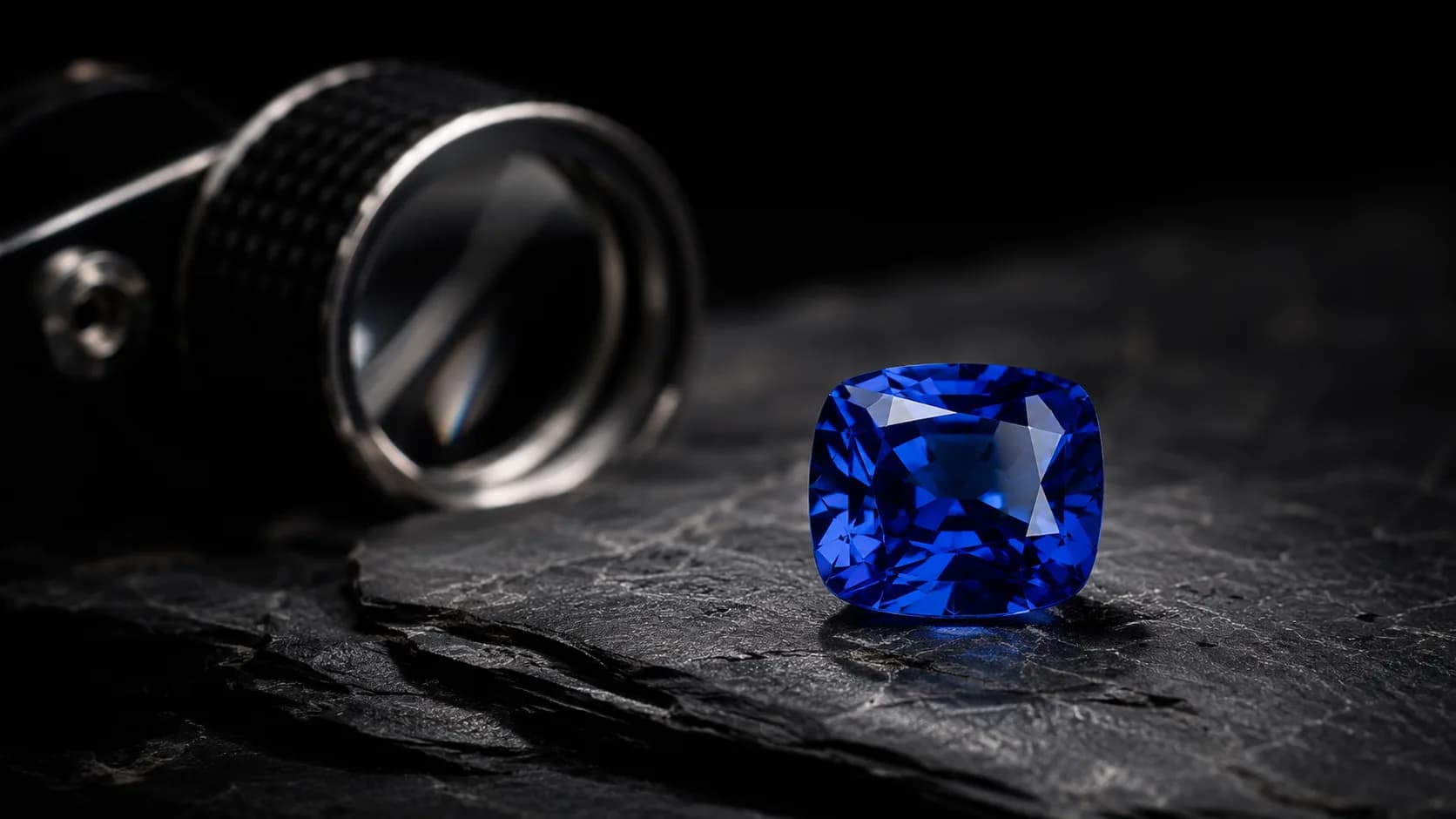
Blue sapphire ranges from pale, watery blues through vivid medium blues to very dark, almost blackish stones. Its colour is caused by trace amounts of iron and titanium in the corundum crystal. Trade descriptions such as cornflower blue refer to a vivid, slightly velvety medium blue that is widely admired. Sri Lankan stones are often lighter and brighter than material from some other sources, which suits buyers who want a sapphire that stays lively in low light. Many sapphires also show colour zoning, bands of stronger and weaker colour, which cutters orient carefully. Slight violet secondary hues are common and generally accepted; strongly greyish or greenish blues are less valued.
Quality Factors
The most important quality factor in blue sapphire is colour: hue, tone and saturation together. Vivid saturation with medium tone is generally the most desirable combination, while stones that are too dark lose brilliance and stones that are too light can appear washed out. Clarity is judged with the eye; small inclusions are normal in natural sapphire and fine silk can even give a soft, velvety appearance. Cut quality affects how evenly the colour faces up and whether the stone shows a window or extinction. Treatment status significantly affects value, with unheated stones at a premium. For any significant purchase, obtain a report from a recognised gemmological laboratory.
Treatments
Most blue sapphires on the market have been heated to improve colour and clarity, a stable and widely accepted treatment when disclosed. Some geuda corundum, pale or milky material, responds dramatically to heat, a practice with a long history in Sri Lanka. Beyond heating, lattice diffusion with beryllium or titanium can alter or add colour, and fractures are occasionally filled with glassy substances; both are regarded as more significant treatments and priced accordingly. Every treatment must be disclosed by the seller, without exception. Because treatments can be difficult to detect visually, laboratory testing is the only reliable way to confirm whether a sapphire is unheated, heated or diffused.
CIBJO’s Gemstone Book, one of the Blue Book standards published by the World Jewellery Confederation, calls for every treatment to be disclosed at each sale, and consumer law in many countries separately requires material facts such as treatment to be disclosed. Undisclosed treatment is grounds to walk away, see our guide to heated versus unheated stones.
Origin in Sri Lanka
Blue sapphire is recovered in Sri Lanka mainly from alluvial gravels laid down by ancient rivers, worked by licensed pits in districts such as Ratnapura, Elahera and Balangoda. The island has supplied blue sapphires to international markets for many centuries and the trade continues today alongside cutting and treatment industries centred in the gem towns. Other important world sources include Madagascar, Myanmar and historical deposits such as Kashmir, and laboratories compare inclusion scenes and trace-element chemistry when forming origin opinions. Origin can influence price, but a fine stone from any source remains a fine stone, and quality should always come first.
Origin describes where a stone was mined, it is not a grade, and trade terms such as “Ceylon” are origin descriptions, never an automatic premium. A fine stone from elsewhere can outclass a mediocre stone from a famous source; judge colour, clarity, cut and treatment first. Remember also that a laboratory origin determination is an expert opinion based on inclusions and chemistry, not an infallible guarantee, and a seller’s origin claim is not laboratory confirmation. Origin claims belong on the invoice and, for important stones, in a report.
Care
With a hardness of 9 on the Mohs scale, blue sapphire is harder than any natural gem except diamond, and it has no cleavage, so it withstands daily wear very well. Routine care is simple: wash in warm water with mild soap, brush gently behind the stone where dirt collects, and dry with a soft cloth. Ultrasonic and steam cleaners are usually safe for heated and untreated sapphires but should not be used on fracture-filled stones. Protect the girdle and facet junctions from sharp knocks, and keep sapphire jewellery separate from softer pieces it could scratch. Periodic professional checks of prongs and settings are sensible.
As a Loose Stone
Where It Is Found in Sri Lanka
- Ratnapura
- Elahera
- Balangoda
Common Treatments at a Glance
- Heating (very common)
- Lattice diffusion (occurs; must be disclosed)
- Fracture filling (occasional; must be disclosed)
All treatments must be disclosed at sale. See our treatment guides and treatment reports.
Blue Sapphire: frequently asked questions
What is the best colour for a blue sapphire?
Most buyers and the trade favour a vivid, well-saturated blue of medium tone that remains lively in ordinary lighting. Terms like cornflower or royal blue describe admired colours, but they are not standardised grades. The best colour is ultimately the one you find beautiful; view stones under several light sources before deciding.
How can I tell if a blue sapphire is real?
Synthetic sapphires and imitations such as blue glass or synthetic spinel are common, and heat and diffusion treatments complicate matters further. Only a gemmological laboratory can reliably separate natural, synthetic and treated stones using magnification and advanced instruments. Ask for a report from a recognised laboratory before buying any significant blue sapphire.
Is blue sapphire suitable for an engagement ring?
Yes. Sapphire's hardness of 9 and lack of cleavage make it one of the most practical coloured stones for daily wear, and blue sapphire engagement rings have a long tradition. Choose a protective setting, clean the ring regularly, and have it checked by a jeweller from time to time.
Does it matter if my sapphire is heated?
Heated sapphires are genuine natural sapphires and represent most of the market; heating is accepted when disclosed. Unheated stones of comparable quality are rarer and command higher prices. What matters most is full disclosure and documentation, so you know exactly what you are buying and can compare prices fairly.