Garnet
An ancient family of gems far beyond red
Garnet is not one gem but a group of related silicate minerals sharing a common crystal structure, spanning species such as almandine, pyrope, spessartine, grossular and andradite. Sri Lanka's gravels yield garnets including the cinnamon-coloured hessonite, a grossular variety long linked with the island, alongside reddish almandine–pyrope stones.
Updated:
Natural Beauty
From Sri Lanka
Durability
Mohs 6.5–7.5
Treatments
Typically untreated
Overview
Garnet is the traditional birthstone for January and is almost always untreated.
Colours
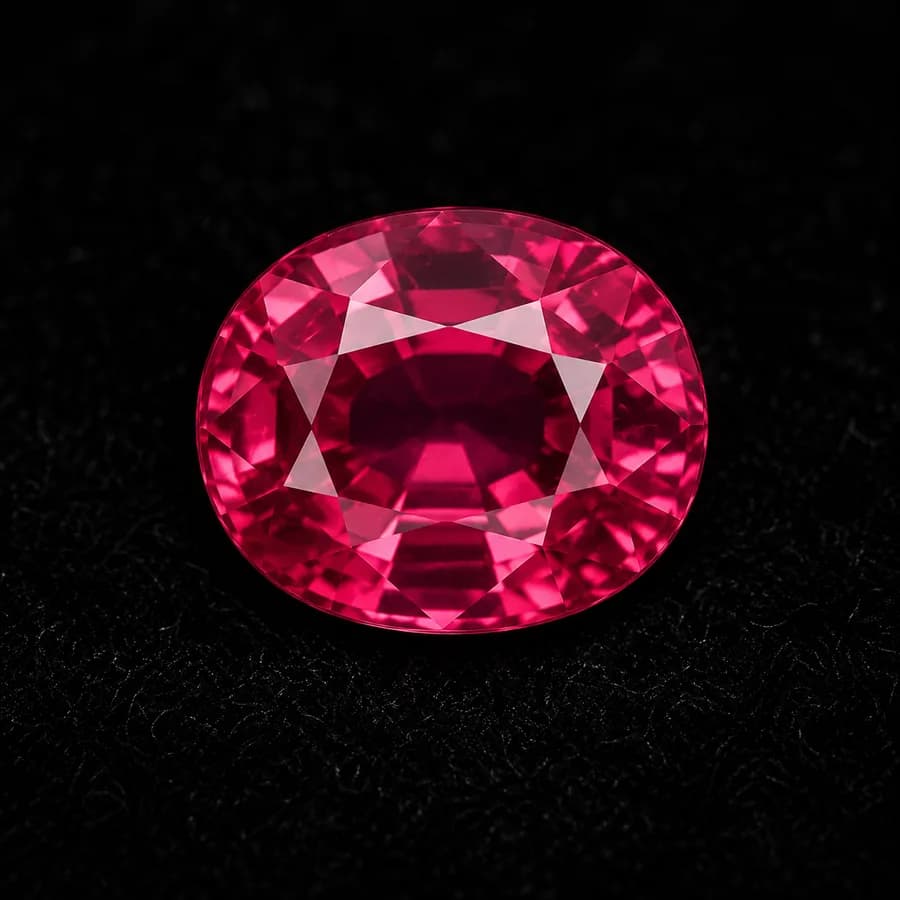
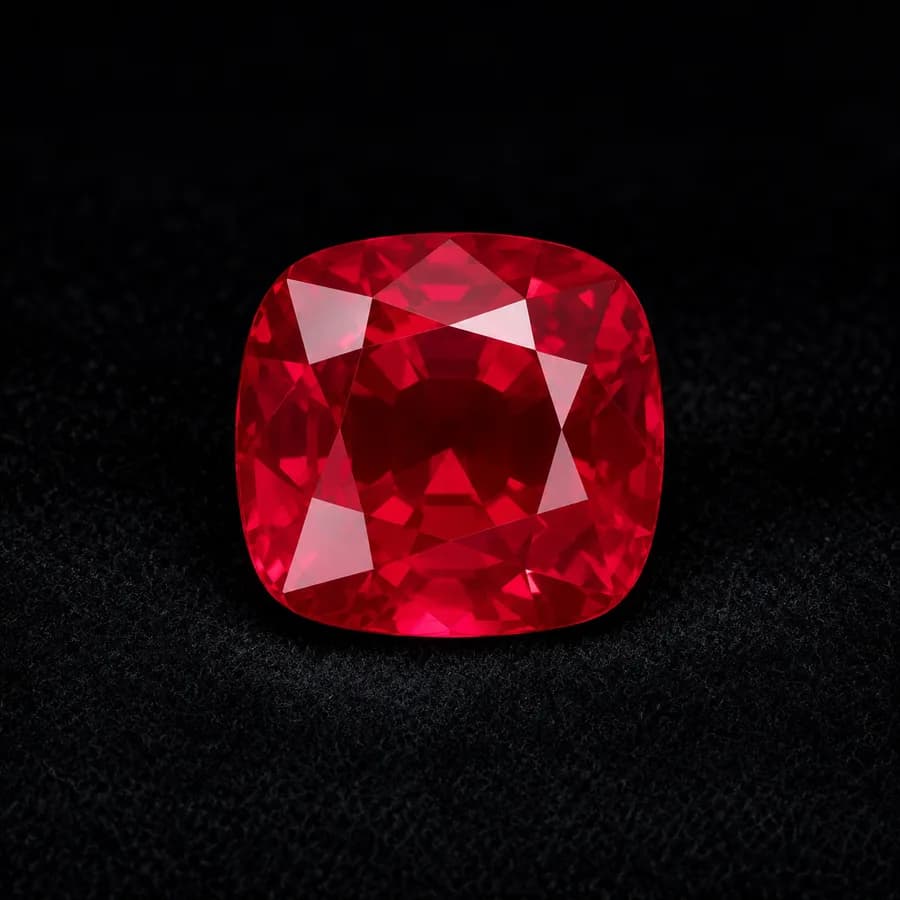
Garnet's palette is far broader than its reputation for red. Almandine and pyrope, and blends between them (including rhodolite), supply reds from brownish through pure red to raspberry and purplish tones. Spessartine brings vivid orange; grossular contributes the cinnamon-brown hessonite associated with Sri Lanka as well as the intense green tsavorite; andradite includes the fiery green demantoid. Colour-change garnets that shift between bluish green and purplish red also exist. Sri Lankan production is best known for hessonite, historically called cinnamon stone, and purplish-red almandine-rich stones. Because most gem garnets are blends between species rather than pure end members, their properties and colours grade continuously across the group.
Quality Factors
Garnets are assessed on colour, clarity, cut and size within their variety, since each variety has its own market. In the common reds, pure vivid colour without excessive darkness or brown leads; rhodolite's raspberry tones are especially popular. Hessonite characteristically shows a treacly, swirled interior that is accepted as part of its identity, whereas tsavorite and demantoid are expected to be relatively clean and command far higher prices. Good cutting brightens garnet noticeably, as many stones are cut deep to preserve weight. Garnet's untreated nature simplifies buying, but variety identification affects value substantially, so a laboratory report is worthwhile for any fine or unusual garnet.
Treatments
Garnet is one of the most reliably untreated of all gem families: routine enhancement is essentially unknown for the common varieties, and the colours are natural and stable. This makes garnet a straightforward and honest purchase compared with heavily treated categories. Rare exceptions and any future treatments would, like all enhancements, have to be disclosed at every stage of sale, the universal obligation of the legitimate trade. The practical questions for a buyer are identification and variety: distinguishing garnet from similar-looking gems, and identifying which garnet variety a stone belongs to, since value differs greatly between, say, almandine and tsavorite. Standard laboratory testing answers both.
CIBJO’s Gemstone Book, one of the Blue Book standards published by the World Jewellery Confederation, calls for every treatment to be disclosed at each sale, and consumer law in many countries separately requires material facts such as treatment to be disclosed. Undisclosed treatment is grounds to walk away, see our guide to heated versus unheated stones.
Origin in Sri Lanka
Sri Lanka's alluvial gem fields produce garnet alongside their more famous corundum, with recovery around Ratnapura, Elahera and the gem fields of Okkampitiya, an area associated with hessonite. The cinnamon stone of old trade literature referred to hessonite from Ceylon. Globally, garnet sources are widespread: India, Madagascar, Mozambique and Tanzania supply reds and rhodolite; Namibia and Nigeria produce spessartine; Kenya and Tanzania yield tsavorite; and Russia's Urals are the classic demantoid source. Garnet's abundance in common varieties keeps it accessible, while its rare green varieties rank among the most valuable coloured stones.
Origin describes where a stone was mined, it is not a grade, and trade terms such as “Ceylon” are origin descriptions, never an automatic premium. A fine stone from elsewhere can outclass a mediocre stone from a famous source; judge colour, clarity, cut and treatment first. Remember also that a laboratory origin determination is an expert opinion based on inclusions and chemistry, not an infallible guarantee, and a seller’s origin claim is not laboratory confirmation. Origin claims belong on the invoice and, for important stones, in a report.
Care
Garnet's hardness of 6.5 to 7.5, with no cleavage, makes it dependable for most jewellery, though the group sits below sapphire in scratch resistance and deserves a little consideration in rings worn daily. Clean with warm soapy water and a soft brush; ultrasonic cleaning is usually safe for stones free of fractures, but demantoid and any visibly included stone are better hand washed, and steam cleaning is best avoided generally. Protect garnets from sharp blows and large, sudden temperature changes. Store pieces separately so harder gems cannot scratch them. With this simple routine, garnet's naturally stable colour will never need more than a clean to look its best.
As a Loose Stone
Where It Is Found in Sri Lanka
- Ratnapura
- Okkampitiya
- Elahera
Common Treatments at a Glance
- Typically untreated
All treatments must be disclosed at sale. See our treatment guides and treatment reports.
Garnet: frequently asked questions
What is hessonite and is it from Sri Lanka?
Hessonite is the orange-brown to cinnamon variety of grossular garnet, historically called cinnamon stone. Sri Lanka is a classic source, and the stone holds a place in South Asian tradition as gomed among the navaratna gems. Fine hessonite shows a warm, honeyed colour with its characteristic swirled interior.
Are garnets ever treated?
Almost never, garnet is one of the few gem families that reaches the market essentially untreated, with natural, stable colour. Any exception would have to be disclosed. This untreated status is a genuine advantage when comparing garnet with routinely enhanced gems.
How can I tell garnet from ruby or spinel?
Red garnet, ruby and red spinel can look similar but differ in optical character, spectra and density. A qualified gemmologist separates them with standard instruments, and a laboratory report settles the identification. Historic jewellery in particular mixes these reds, so testing is worthwhile before any valuation.
Which garnets are the most valuable?
The green varieties, tsavorite and demantoid, are the rarest and most valuable, followed by fine spessartine and colour-change stones. Common reds and rhodolite are attractive and affordable. As always, the individual stone's colour, clarity, cut and size determine its price within the variety.