Pink Sapphire
Corundum in its most romantic colour
Pink sapphire is the pink variety of corundum, coloured principally by traces of chromium. Sri Lanka is a well-known source, and the island's gravels produce pinks from the palest pastel to vivid, intense hues.
Updated:
Natural Beauty
From Sri Lanka
Durability
Mohs 9
Treatments
Heating (common)
Overview
Sharing sapphire's exceptional hardness, pink sapphire has become a favoured alternative to both ruby and pink diamond in contemporary jewellery.
Colours
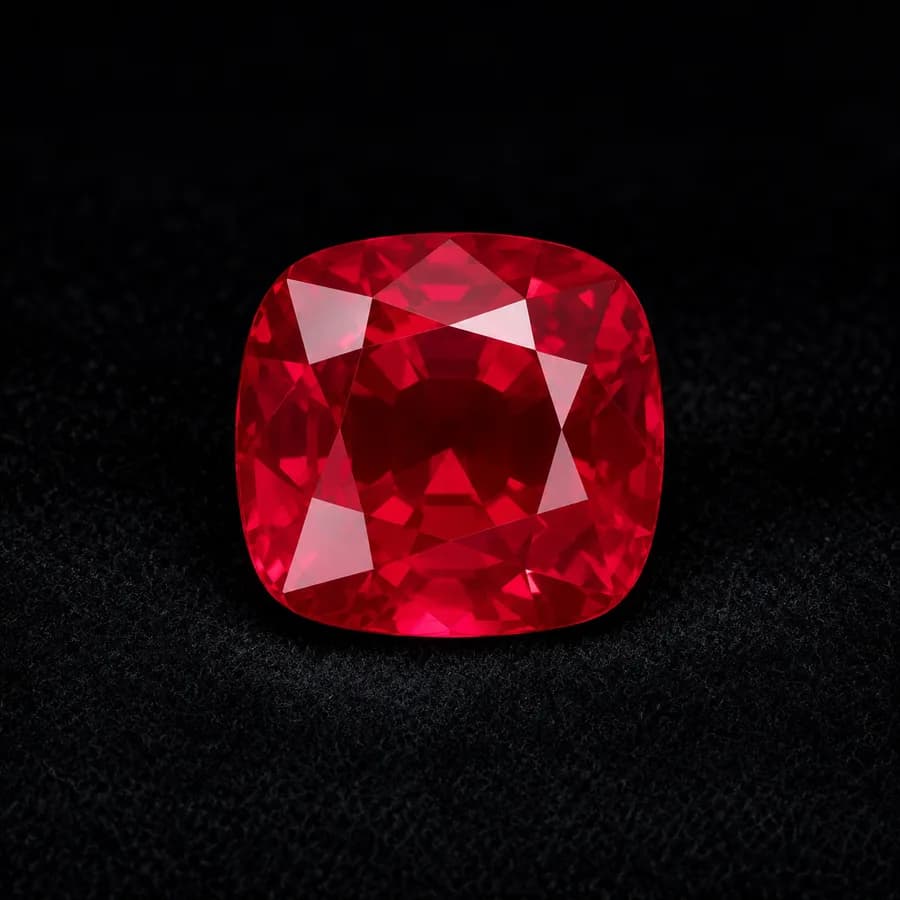
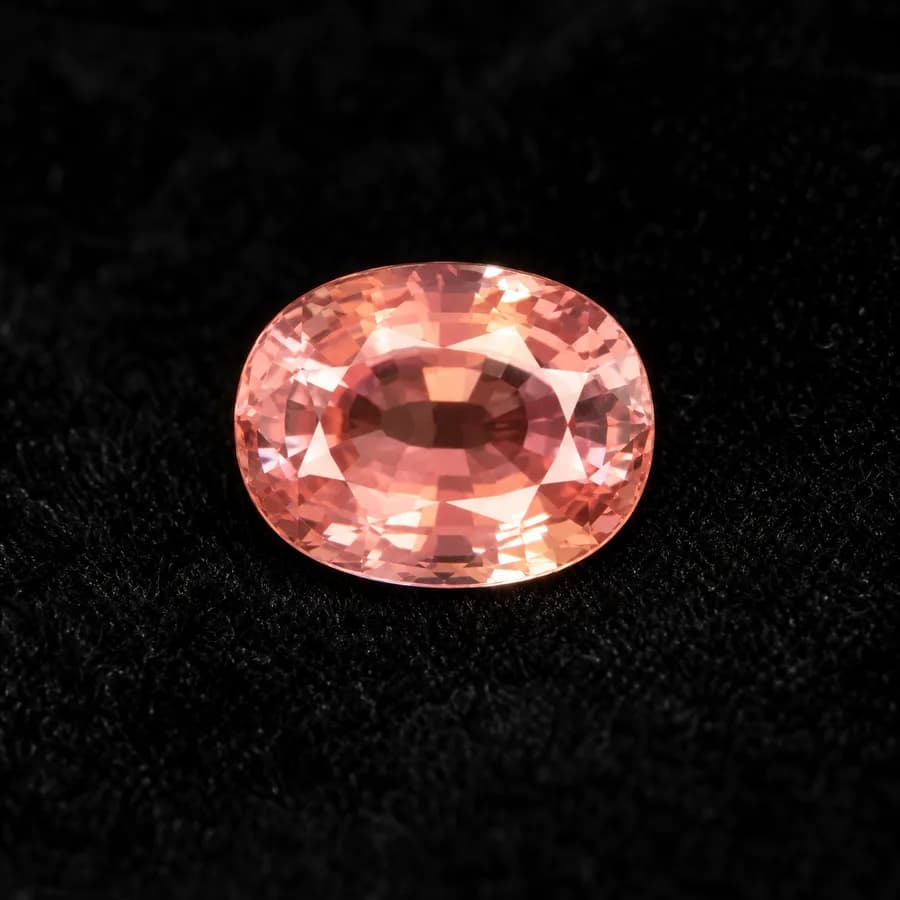
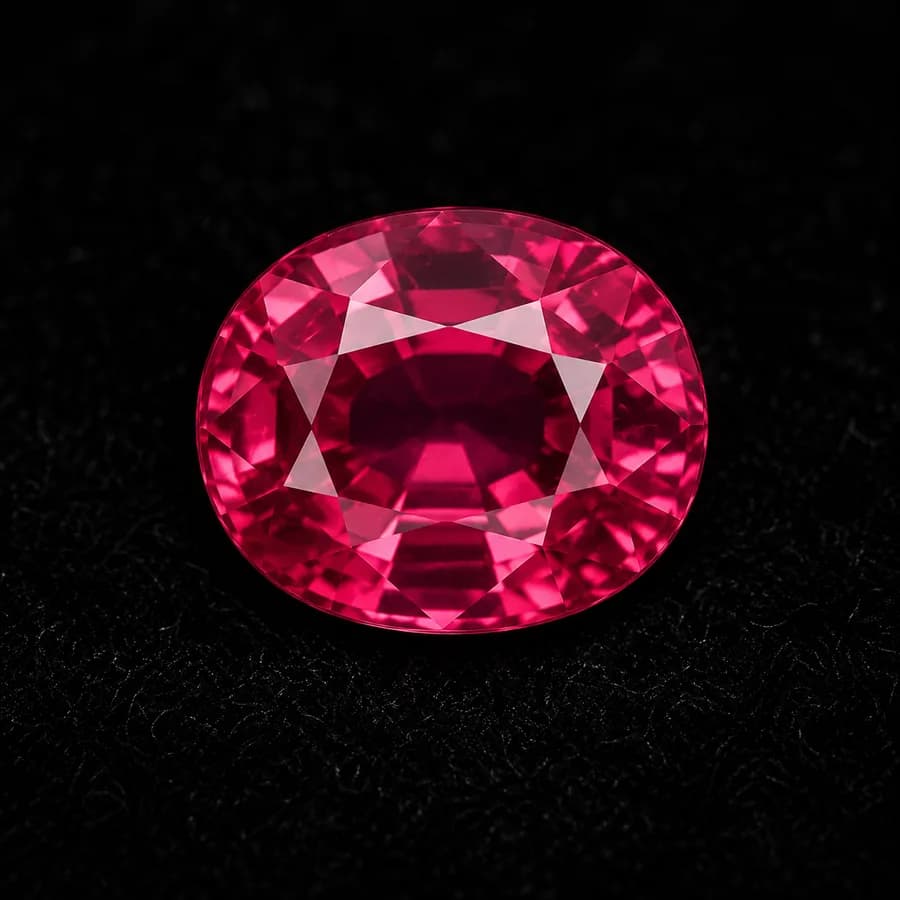
Pink sapphire spans a wide range: delicate pastel pinks, lively bubblegum tones, vivid hot pinks and stones with a purplish cast. Chromium is the main colouring element, with higher chromium generally producing stronger pink to red colour. The boundary between an intense pink sapphire and a ruby is famously debated, and different markets and laboratories draw the line differently, which can affect how a borderline stone is described and priced. Sri Lankan pink sapphires are known for bright, clean colour with good transparency. Purplish secondary hues are common and can be attractive; orangey pinks approach padparadscha territory and are assessed separately. As always, even, well-saturated colour is the most desirable.
Quality Factors
Colour drives value in pink sapphire: vivid, evenly distributed pink with medium tone commands the strongest interest, while very pale or strongly modified colours are more affordable. Clarity is next; many pink sapphires are relatively clean, so eye-visible inclusions are penalised more than in some other coloured stones. Precision of cut affects sparkle and colour return, and well-cut stones face up noticeably better. Treatment status matters considerably, with unheated vivid pinks being rare and valued. Because the ruby–pink sapphire boundary and treatment detection both require expertise, a report from a recognised gemmological laboratory is recommended for any significant stone, and essential when a stone is priced near the ruby borderline.
Treatments
Heating is common in pink sapphire and generally accepted in the trade when disclosed; it can lighten purplish tones and improve clarity. Beryllium lattice diffusion is a known issue in pink to orange corundum and can substantially change colour; diffusion-treated stones must be clearly described as such and trade at much lower prices than naturally coloured stones. Fracture filling is encountered occasionally. All treatments must be disclosed by the seller at every stage of sale, this is a fundamental rule of ethical gem trading. Laboratory testing is the only dependable way to establish treatment status, and buyers should be wary of vivid pinks offered without documentation at prices that seem too good.
CIBJO’s Gemstone Book, one of the Blue Book standards published by the World Jewellery Confederation, calls for every treatment to be disclosed at each sale, and consumer law in many countries separately requires material facts such as treatment to be disclosed. Undisclosed treatment is grounds to walk away, see our guide to heated versus unheated stones.
Origin in Sri Lanka
Sri Lanka has long produced pink sapphires from its alluvial gem fields, with recovery around Ratnapura, Balangoda and the Embilipitiya area among others. The island's pinks are respected for brightness and transparency and are cut and traded through the same centres that handle its blue sapphire. Madagascar and East African sources also supply pink sapphire to the world market, and laboratories may offer origin opinions based on inclusion and chemical evidence. As with other corundum, most Sri Lankan recovery is from secondary gravel deposits worked by traditional licensed pits. Origin can add interest and value, but quality and treatment status remain the primary drivers of price.
Origin describes where a stone was mined, it is not a grade, and trade terms such as “Ceylon” are origin descriptions, never an automatic premium. A fine stone from elsewhere can outclass a mediocre stone from a famous source; judge colour, clarity, cut and treatment first. Remember also that a laboratory origin determination is an expert opinion based on inclusions and chemistry, not an infallible guarantee, and a seller’s origin claim is not laboratory confirmation. Origin claims belong on the invoice and, for important stones, in a report.
Care
Pink sapphire has a Mohs hardness of 9 with no cleavage, making it durable enough for rings, bracelets and everyday jewellery. Clean it with warm soapy water and a soft brush; ultrasonic and steam cleaning are usually safe for untreated and heated stones, but avoid them if the stone is fracture filled or its treatment status is unknown. Pale pinks show grime quickly, so regular cleaning keeps the colour looking its best. Guard facet edges against hard knocks and store pieces separately to prevent scratching softer gems. An occasional professional check of the setting will keep the stone secure for the long term.
As a Loose Stone
Where It Is Found in Sri Lanka
- Ratnapura
- Balangoda
- Embilipitiya
Common Treatments at a Glance
- Heating (common)
- Beryllium diffusion (occurs; must be disclosed)
All treatments must be disclosed at sale. See our treatment guides and treatment reports.
Pink Sapphire: frequently asked questions
What is the difference between pink sapphire and ruby?
Both are corundum coloured by chromium; the difference is depth of colour. Stones with dominant red are called ruby, while lighter or pinker stones are pink sapphire. The dividing line is not universally fixed, and laboratories may classify borderline stones differently, so the description on a laboratory report is the practical reference.
How can I tell if a pink sapphire is real?
Imitations, synthetics and diffusion-treated corundum all circulate in the market. Reliable identification requires a gemmological laboratory, which can confirm natural origin and detect treatments such as beryllium diffusion. For any meaningful purchase, ask for a report from a recognised laboratory rather than relying on visual inspection alone.
Is pink sapphire durable enough for an engagement ring?
Yes. At hardness 9, pink sapphire is among the most durable of all gemstones and copes well with daily wear. Sensible precautions, a well-made setting, removal during rough work and periodic inspections, will keep a pink sapphire engagement ring beautiful for decades.
Are unheated pink sapphires much more valuable?
Unheated pink sapphires of fine colour are rarer than heated equivalents and generally command a premium, sometimes a substantial one for vivid stones. Whether the difference is worth paying depends on your priorities; a disclosed, well-documented heated stone can be excellent value. Confirm treatment status through a laboratory report.