Purple Sapphire
Regal violet corundum, often naturally untreated
Also known as: Violet sapphire
Purple sapphire is corundum in violet to purple hues, coloured by a combination of trace elements including chromium, iron and titanium. Sri Lanka is a consistent source of these stones, which emerge from the same gravels as the island's blues and pinks.
Updated:
Natural Beauty
From Sri Lanka
Durability
Mohs 9
Treatments
Often untreated
Overview
Frequently untreated and less costly than blue sapphire, purple sapphire appeals to buyers seeking distinctive natural colour.
Colours
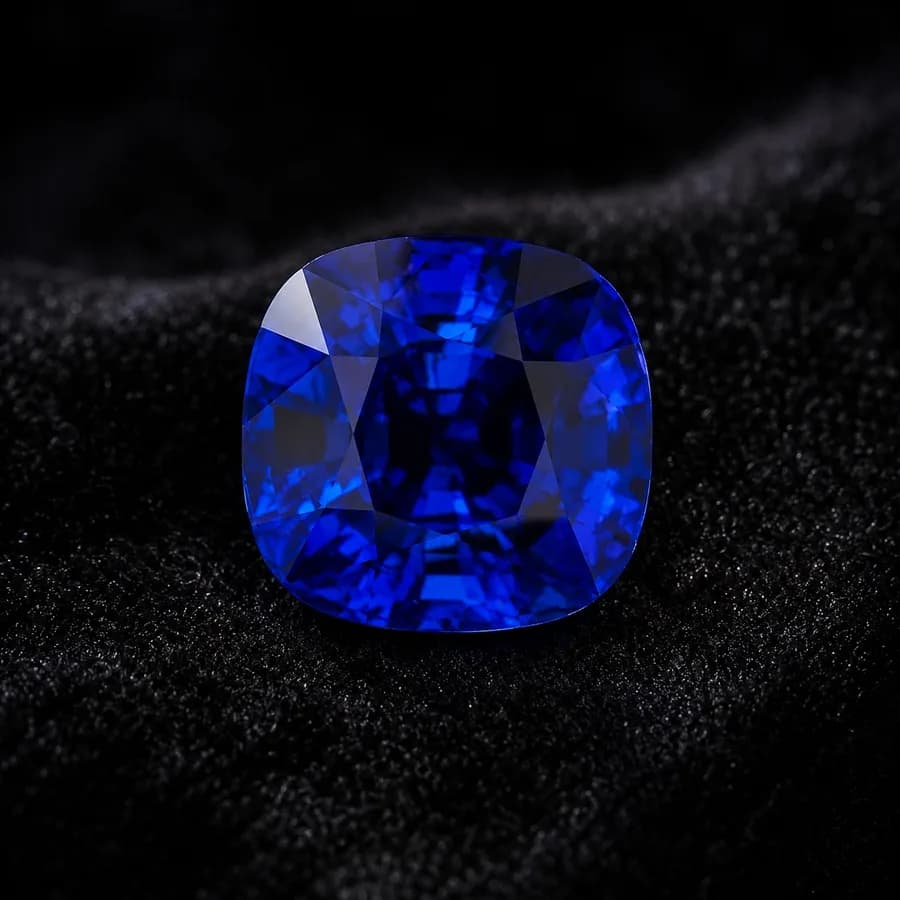
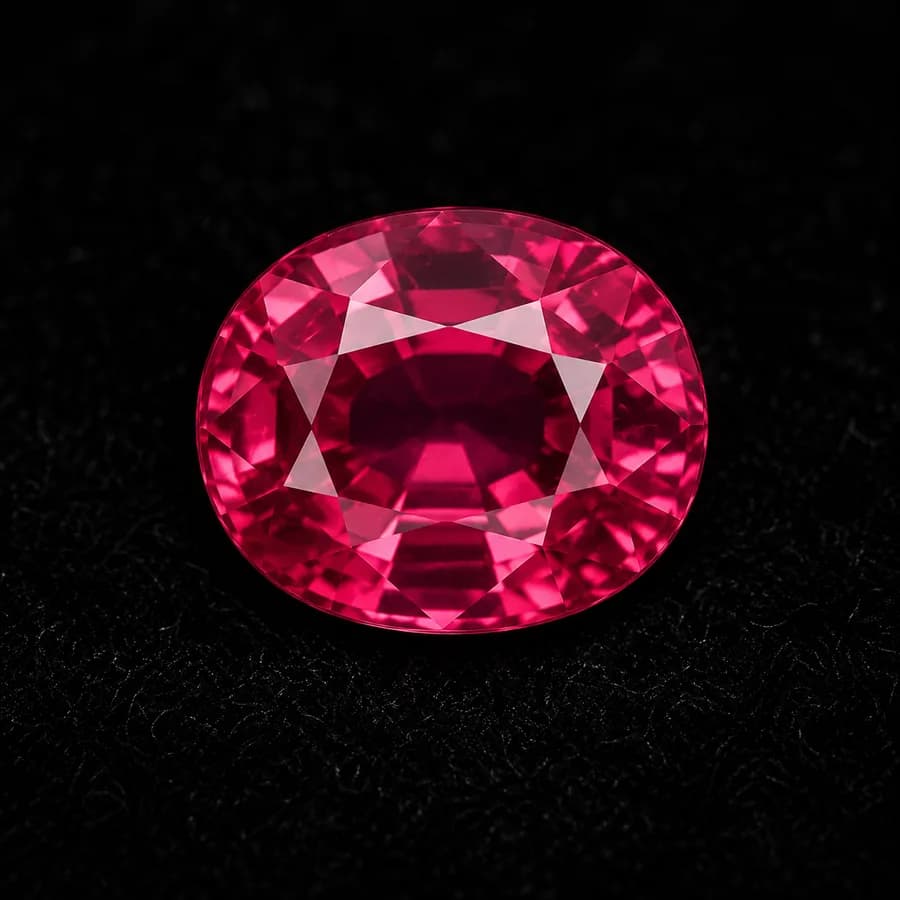
Purple sapphire runs from soft lavender and lilac through true violet to rich reddish purple. The colour arises from combined traces of chromium, which pushes towards pink and red, and the iron-titanium pairing responsible for blue; the balance between them sets the hue. Some purple sapphires show a noticeable colour shift between daylight and incandescent light, appearing more violet-blue in one and more reddish purple in the other, a subtle effect distinct from true colour-change sapphire. Sri Lankan stones commonly offer bright, clean violets. Deeper, vividly saturated purples are the scarcest; greyish modifiers reduce appeal. As with all fancy sapphires, view the stone under different lights before judging its colour.
Quality Factors
The most valued purple sapphires show vivid saturation with medium tone and a clean violet-to-purple hue without greyness. Clarity is typically good in this variety and eye-clean stones are the norm, so visible inclusions weigh against price. Cutting influences both brilliance and the balance of hue in the face-up position, and any colour-shift behaviour is worth observing under different light sources. Purple sapphire generally trades below blue sapphire and fine pink sapphire of comparable quality, making it one of the better-value corners of the corundum family. Laboratory reports remain worthwhile for significant stones, confirming natural origin and treatment status, since synthetic colour-change and purple corundum exist.
Treatments
A substantial share of purple sapphire is sold untreated, because the natural colour is often attractive without intervention and heating can shift violet hues in unwanted directions. Heating nevertheless occurs, sometimes to lighten overly dark stones or adjust hue, and must be disclosed, as must any other treatment, at every stage of sale. Diffusion treatment and fracture filling are less frequently associated with this colour but cannot be ruled out without testing. Buyers paying a premium for untreated status should insist on confirmation from a recognised gemmological laboratory, which can also separate natural purple sapphire from synthetic corundum of similar appearance.
CIBJO’s Gemstone Book, one of the Blue Book standards published by the World Jewellery Confederation, calls for every treatment to be disclosed at each sale, and consumer law in many countries separately requires material facts such as treatment to be disclosed. Undisclosed treatment is grounds to walk away, see our guide to heated versus unheated stones.
Origin in Sri Lanka
Sri Lanka's alluvial gem fields, particularly around Ratnapura and Balangoda, yield purple and violet sapphires alongside the island's wider corundum production. The stones are recovered from gravel pits by traditional methods and cut in local centres. Other sources of purple sapphire include Madagascar, Tanzania and Myanmar. Origin opinions from laboratories are possible in some cases, based on inclusion scenes and trace chemistry, though for purple sapphire origin usually affects price less than colour quality and treatment status do. Sri Lankan material enjoys a good reputation for transparency and lively colour, consistent with the island's corundum generally.
Origin describes where a stone was mined, it is not a grade, and trade terms such as “Ceylon” are origin descriptions, never an automatic premium. A fine stone from elsewhere can outclass a mediocre stone from a famous source; judge colour, clarity, cut and treatment first. Remember also that a laboratory origin determination is an expert opinion based on inclusions and chemistry, not an infallible guarantee, and a seller’s origin claim is not laboratory confirmation. Origin claims belong on the invoice and, for important stones, in a report.
Care
Purple sapphire wears as well as any corundum: hardness 9, no cleavage, and toughness suitable for rings worn daily. Wash with warm soapy water and a soft brush, rinsing thoroughly; ultrasonic and steam cleaning are generally safe for untreated and heated stones. If treatment status is unknown, gentler hand cleaning is prudent. Avoid sustained high heat, which in principle can affect some colour causes, and keep the stone away from strong chemicals as a general rule. Store separately from other jewellery to prevent scratches in either direction, and have mounts and claws professionally checked from time to time.
As a Loose Stone
Where It Is Found in Sri Lanka
- Ratnapura
- Balangoda
Common Treatments at a Glance
- Often untreated
- Heating (occurs; must be disclosed)
All treatments must be disclosed at sale. See our treatment guides and treatment reports.
Purple Sapphire: frequently asked questions
What is the difference between purple sapphire and amethyst?
They are entirely different minerals: purple sapphire is corundum with hardness 9, while amethyst is quartz with hardness 7. Sapphire is appreciably more brilliant, durable and rare, and prices reflect that. Standard gemmological testing separates the two easily.
Do purple sapphires change colour?
Some show a modest shift between daylight and incandescent light, appearing bluer in one and more reddish in the other. Stones with a pronounced, distinct change are classified as colour-change sapphires. If the effect matters to you, view the stone under both lighting types before buying.
How can I tell if a purple sapphire is real?
Synthetic corundum, colour-change synthetics and other purple stones can imitate it. Only laboratory examination can reliably confirm natural origin and detect treatment. For any significant purchase, request a report from a recognised gemmological laboratory.
Is purple sapphire rare?
Purple is one of the less common sapphire colours, yet demand has historically been lower than for blue or pink, so prices remain comparatively accessible. Vivid, untreated purples in larger sizes are genuinely scarce and are the most likely to appreciate collectors' attention.