Star Sapphire
Corundum crowned with a six-rayed star
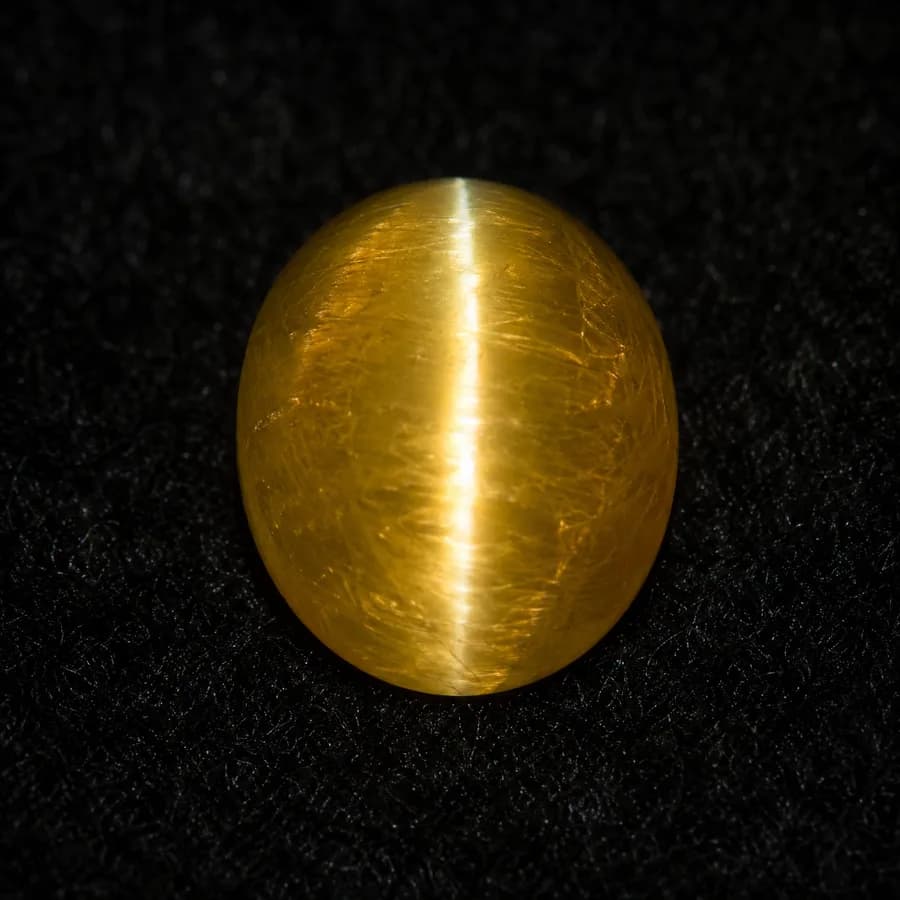
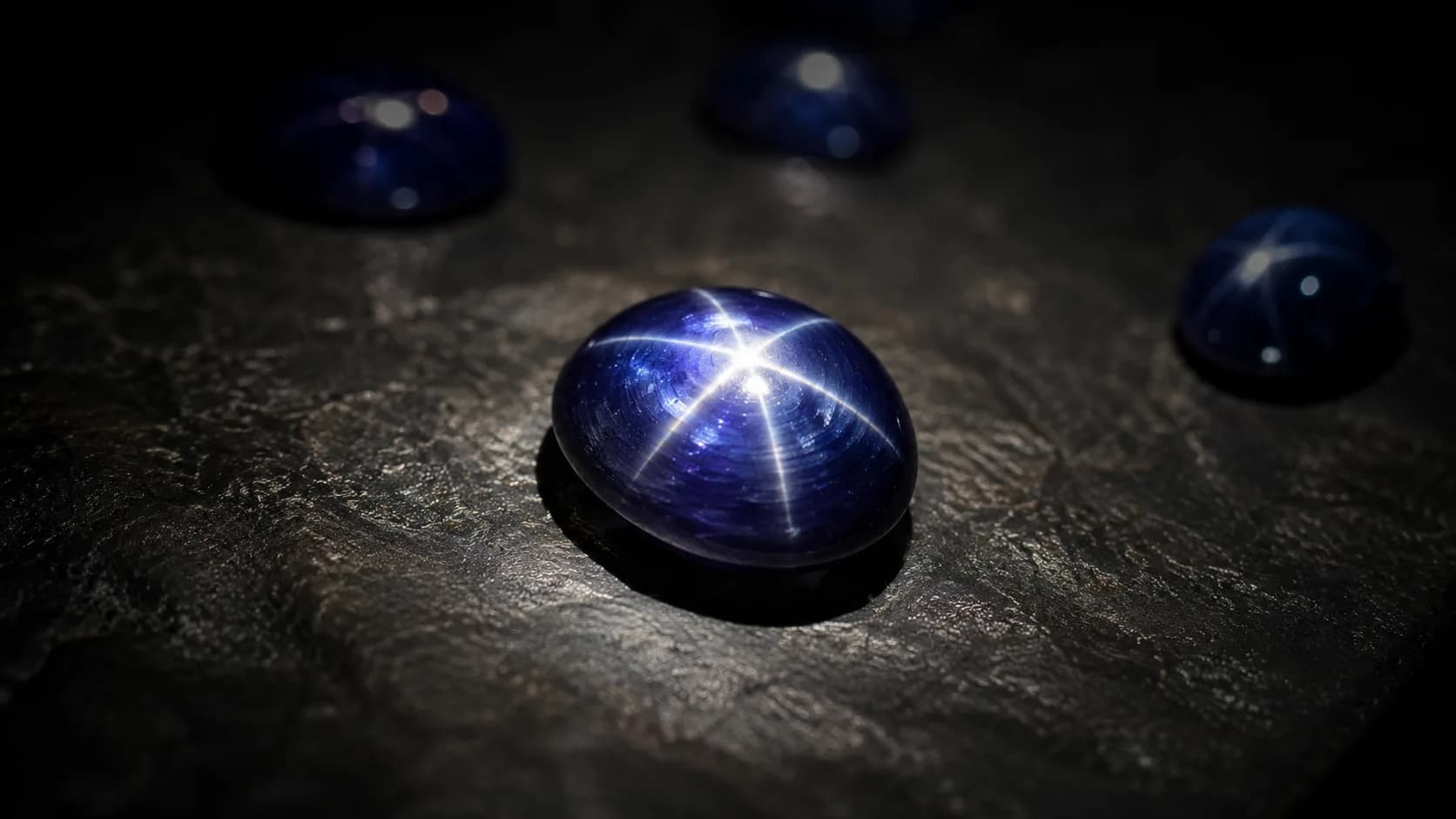
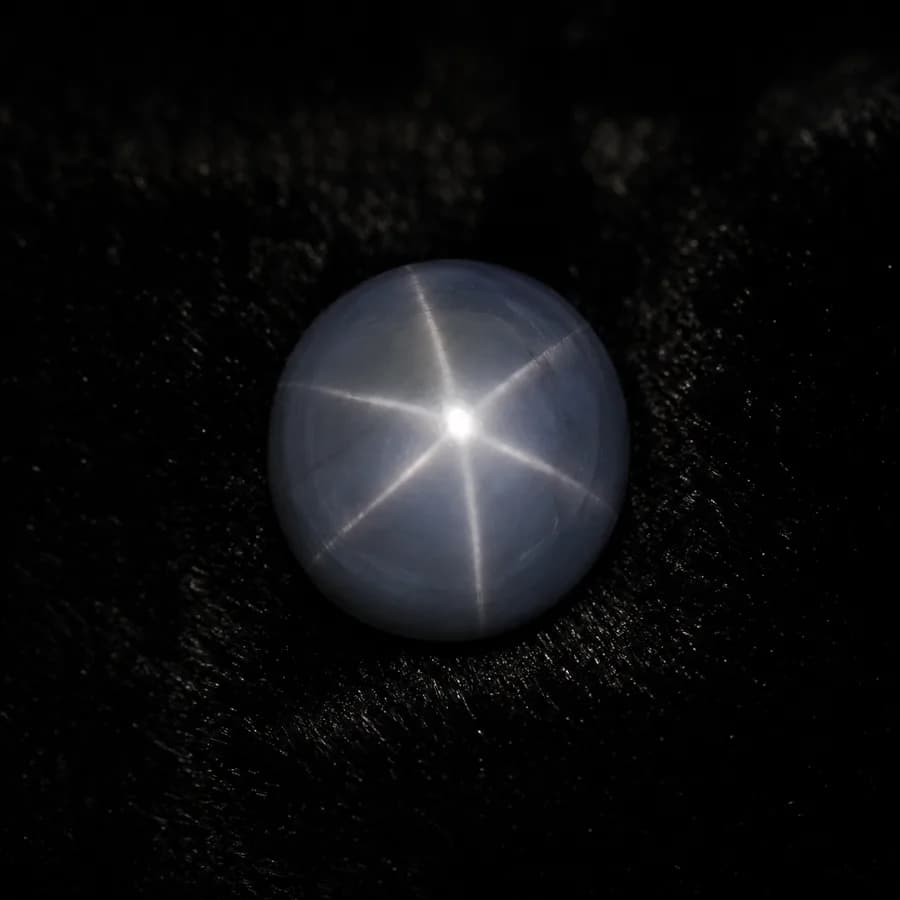
Star sapphire is corundum that displays asterism, a six-rayed star of light gliding across a domed cabochon, created by reflections from oriented needle-like inclusions of rutile. Sri Lanka is closely associated with fine star sapphires, and well-known examples of Sri Lankan origin are held in public collections.
Updated:
Natural Beauty
From Sri Lanka
Durability
Mohs 9
Treatments
Often untreated
Overview
The gem combines corundum durability with one of the most distinctive optical effects in gemmology.
Colours
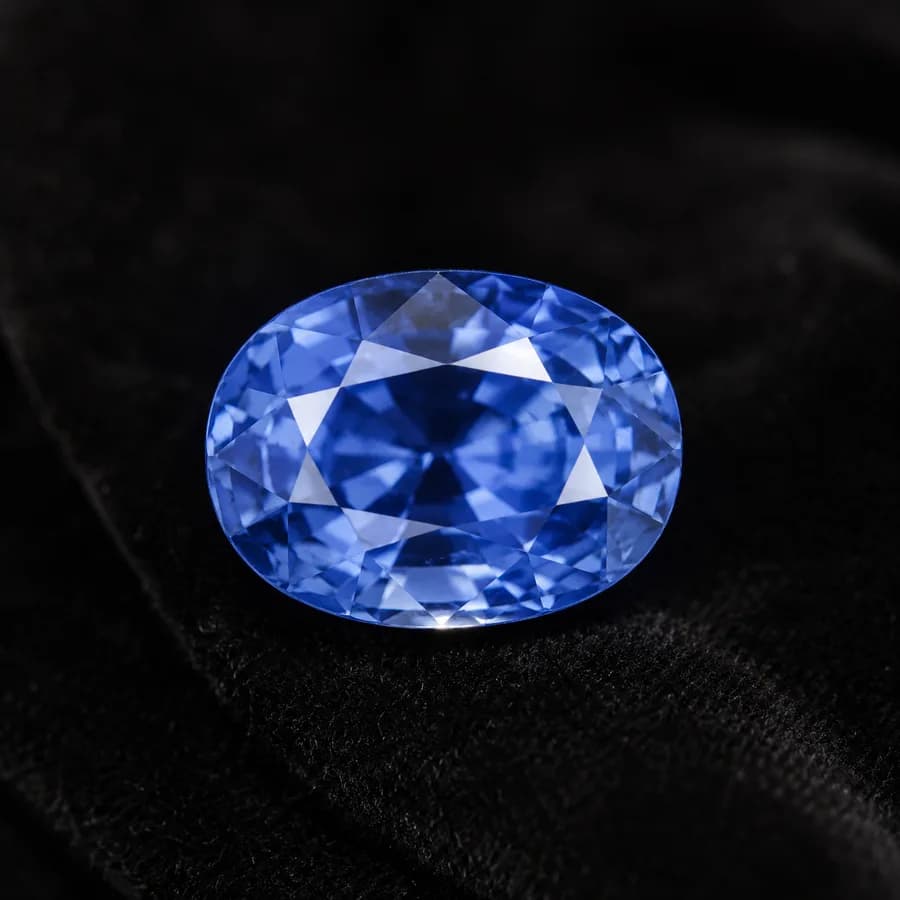
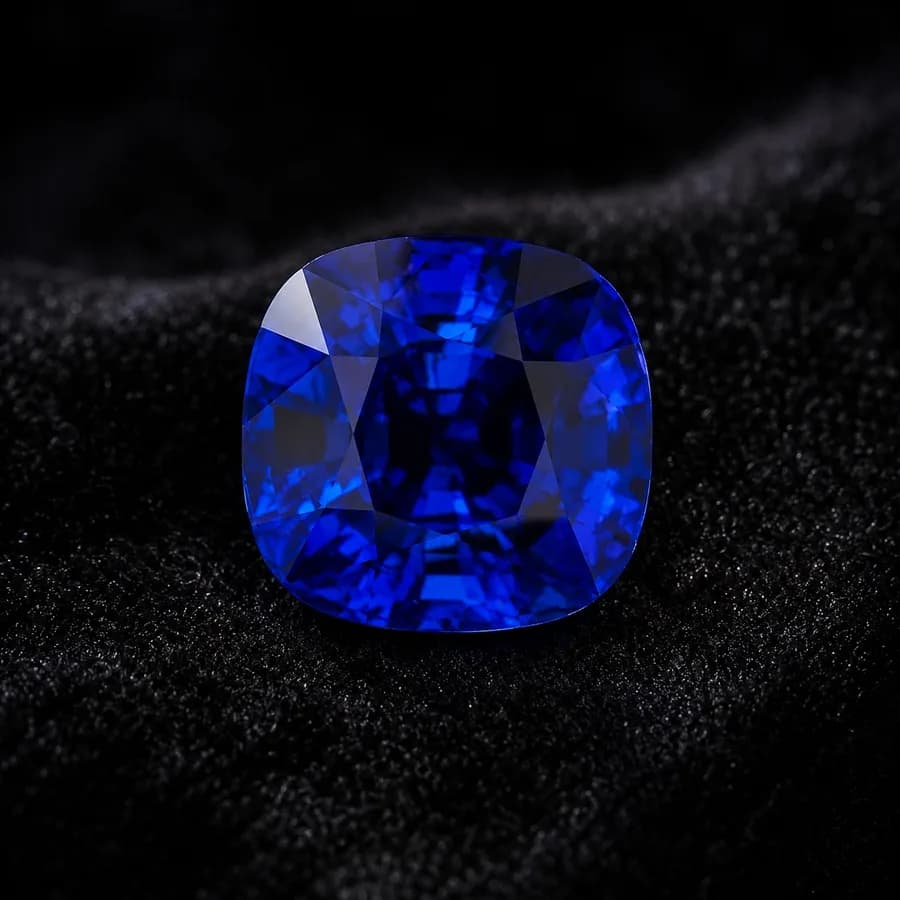
Star sapphires occur in blue, grey-blue, lavender, pink, purplish and near-white colours, as well as opaque black star material coloured by different inclusions. Sri Lankan stones are classically blue to violet-grey with a soft, silvery star. The asterism comes from dense, oriented needles of rutile, the silk, which both create the star and lend the body colour a slightly milky character; this is why star stones rarely match the saturated colour of transparent faceted sapphire. The interplay matters: heavier silk strengthens the star but lightens and mutes the body colour. Stones showing strong colour and a crisp star together are the rare, prized exceptions.
Quality Factors
A fine star sapphire balances four things: a sharp, complete six-rayed star centred on the dome; rays that are straight and evenly strong; attractive body colour; and good translucency. The star should glide smoothly as the stone or light moves. Cabochon proportions matter greatly, a dome that is too flat weakens the star, while excessive bulk below the girdle adds weight without beauty. Symmetry of the outline and a well-centred star lift value considerably. Because the effect depends on a single strong light source, examine star stones under a direct lamp or sunlight rather than diffuse lighting. Laboratory reports confirm natural origin and treatments for important stones.
Treatments
Many star sapphires are untreated, since heating hot enough to improve colour can dissolve the very silk that creates the star. Careful heating is nonetheless applied to some stones and must be disclosed. Buyers should also be aware of two specific issues: synthetic star sapphires, produced since the mid-twentieth century with strikingly perfect stars, and diffusion-treated stones in which asterism or colour has been induced artificially, both must be clearly identified as such. Under international trade standards, notably CIBJO's Gemstone Book, one of the Blue Book standards published by the World Jewellery Confederation, treatments should be disclosed at every stage of sale, and consumer-protection law in many jurisdictions separately requires material facts such as treatment to be disclosed. A recognised gemmological laboratory can separate natural, treated and synthetic star stones reliably; the near-perfect star of many synthetics is itself a warning sign.
CIBJO’s Gemstone Book, one of the Blue Book standards published by the World Jewellery Confederation, calls for every treatment to be disclosed at each sale, and consumer law in many countries separately requires material facts such as treatment to be disclosed. Undisclosed treatment is grounds to walk away, see our guide to heated versus unheated stones.
Origin in Sri Lanka
Sri Lanka has a long association with star sapphire, with stones recovered from the alluvial gravels of Ratnapura, Elahera and other traditional districts. Some of the most famous star sapphires in museum and private collections are attributed to Sri Lankan origin. The island's combination of fine silk and attractive blue to violet body colour underpins this standing. Other sources include Myanmar, known for rich blue star stones, and various corundum localities producing black star material, notably Thailand. Origin opinions are possible from laboratories in some cases. Sri Lankan star sapphires remain a signature gem of the island's trade.
Origin describes where a stone was mined, it is not a grade, and trade terms such as “Ceylon” are origin descriptions, never an automatic premium. A fine stone from elsewhere can outclass a mediocre stone from a famous source; judge colour, clarity, cut and treatment first. Remember also that a laboratory origin determination is an expert opinion based on inclusions and chemistry, not an infallible guarantee, and a seller’s origin claim is not laboratory confirmation. Origin claims belong on the invoice and, for important stones, in a report.
Care
Star sapphire is as hard and tough as any corundum, and its cabochon form has no vulnerable facet edges, making it a resilient choice for rings and daily wear. Clean with warm soapy water and a soft brush; ultrasonic cleaning is generally safe for untreated stones but avoid it if the stone has fractures or an uncertain treatment history. The star is best displayed under direct light, so keep the dome clean and free of soap film. Deep scratches on the dome would disturb the effect, though sapphire's hardness makes this unlikely in normal wear. Periodic professional checks of bezels or claws are advisable.
As a Loose Stone
Where It Is Found in Sri Lanka
- Ratnapura
- Elahera
- Balangoda
Common Treatments at a Glance
- Often untreated
- Heating (occurs; must be disclosed)
- Diffusion-induced stars exist (must be disclosed)
All treatments must be disclosed at sale. See our treatment guides and treatment reports.
Star Sapphire: frequently asked questions
What causes the star in a star sapphire?
The star is caused by light reflecting from three sets of fine, oriented needle-like inclusions, usually rutile, intersecting within the corundum. Cut as a cabochon with the needles correctly oriented, the reflections form a six-rayed star that moves across the dome as the light or the stone moves.
How can I tell a natural star sapphire from a synthetic one?
Synthetic star sapphires often show a star that is suspiciously sharp, perfectly centred and visible in almost any light, sometimes with the star appearing painted on the surface. Reliable separation, however, requires laboratory testing. Buy important star stones only with a report from a recognised gemmological laboratory.
Why is my star only visible in some lighting?
Asterism needs a single strong, direct light source, sunlight, a torch or a spotlight. Under diffuse indoor lighting the rays soften or vanish. This is normal for natural star sapphires and is one reason dealers examine them under a direct lamp.
Are star sapphires valuable?
Values span a wide range. Fine stones combining a sharp, complete star with strong blue colour and good translucency are rare and command significant prices, while greyish stones with weak stars are plentiful and affordable. Colour, star quality, size and treatment status together determine value.