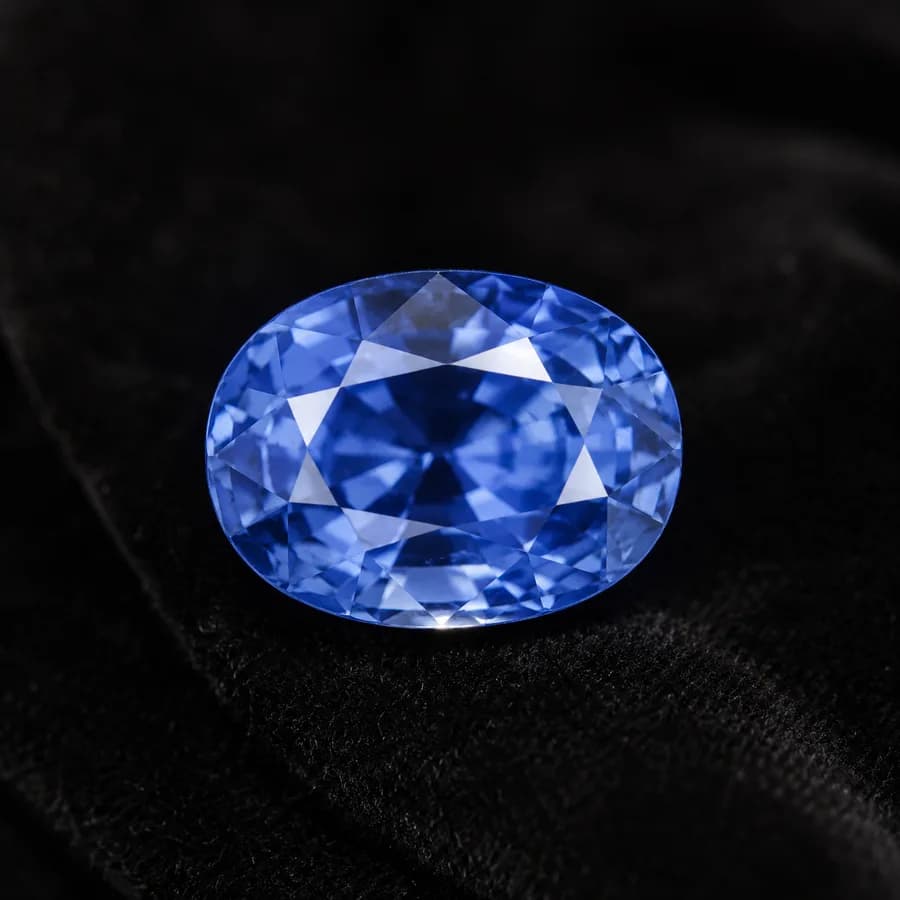
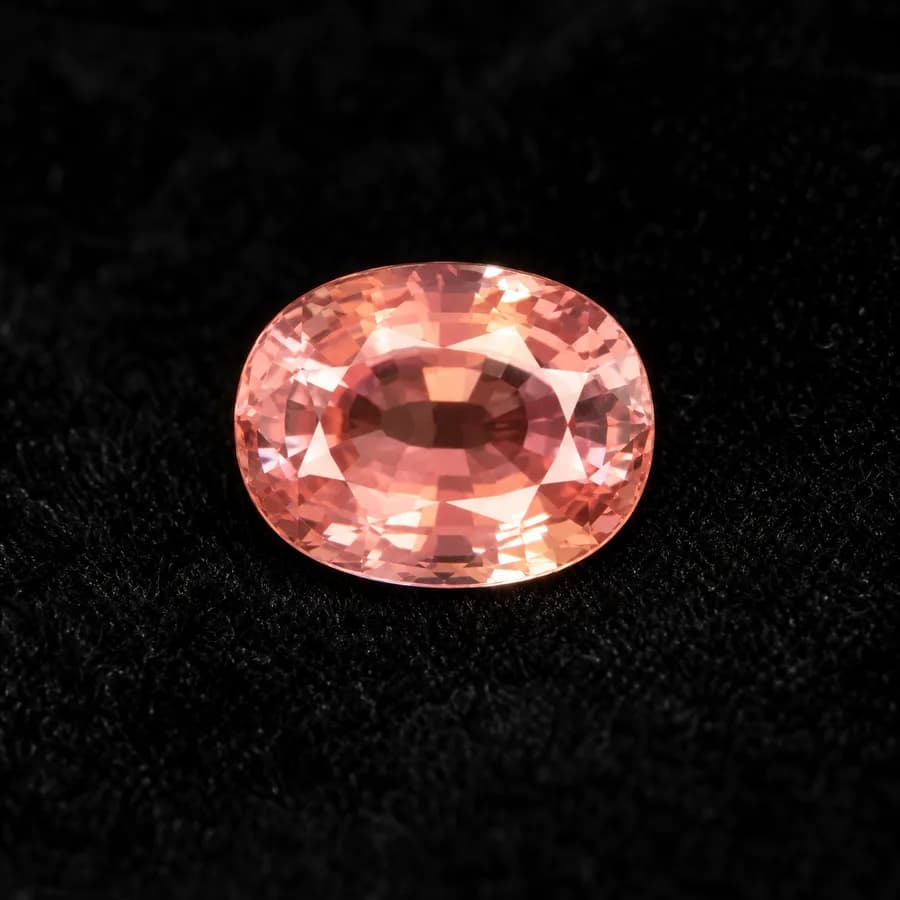
Yellow Sapphire
Sunlit corundum with deep roots in South Asian tradition
Also known as: Pukhraj
Yellow sapphire is the yellow to golden variety of corundum, coloured chiefly by trace iron. Sri Lanka is a traditional and continuing source of yellow sapphire, and the stone, known as pukhraj in South Asian tradition, holds a special place in the region's astrological and jewellery culture.
Updated:
Natural Beauty
From Sri Lanka
Durability
Mohs 9
Treatments
Heating (common)
Overview
Fine Sri Lankan yellow sapphires are valued for their clean, bright colour and excellent transparency.
Colours
Yellow sapphire ranges from pale lemon through bright canary tones to rich golden and orangey yellow. Trace iron is the principal cause of colour in most natural yellow sapphire. Sri Lankan stones are often noted for a clean, bright yellow without brownish modifiers, a look widely preferred in the trade. Some yellow sapphires owe part of their colour to natural irradiation and can fade with prolonged light exposure; laboratories can advise on colour stability. Orangey stones grade towards fancy orange sapphire, while greenish yellows are generally less valued. As with all sapphire, evenness of colour matters, and cutters orient rough carefully to present the best face-up hue.
Quality Factors
The finest yellow sapphires show vivid, uniform colour of medium tone with high clarity, the variety is expected to be eye-clean more than many other coloured stones, because much of the material is naturally transparent. Windowing is a common cutting fault in lighter stones, so cut quality deserves attention. Value rises with saturation up to a rich golden yellow; brownish or greenish modifiers reduce it. Treatment status is an important factor: unheated stones with strong natural colour are rarer and priced accordingly. Buyers following South Asian astrological traditions often specifically seek unheated stones, making laboratory certification of treatment status particularly relevant in this market segment.
Treatments
Heating is common and can intensify or stabilise yellow colour; it is accepted in the trade with disclosure. Two further issues deserve attention in yellow sapphire. First, some stones are irradiated to deepen colour, and this induced colour can fade with light and heat, such stones must be identified and disclosed. Second, beryllium lattice diffusion can create strong yellow to orange colours and must always be disclosed, as diffusion-treated stones are valued far below naturally coloured ones. Every treatment must be disclosed at each stage of sale. Laboratory testing establishes both treatment status and, where relevant, colour stability, and is strongly recommended before any significant purchase.
CIBJO’s Gemstone Book, one of the Blue Book standards published by the World Jewellery Confederation, calls for every treatment to be disclosed at each sale, and consumer law in many countries separately requires material facts such as treatment to be disclosed. Undisclosed treatment is grounds to walk away, see our guide to heated versus unheated stones.
Origin in Sri Lanka
Sri Lanka is a classic origin for yellow sapphire, with recovery from the alluvial gravels of districts such as Ratnapura and Elahera, and from the gem fields around Okkampitiya in the island's south-east. Sri Lankan yellows have long supplied both international jewellery markets and the substantial South Asian demand connected with astrological tradition. Other sources include Madagascar, Thailand and Australia, with the latter producing more strongly greenish or brownish material. Laboratories can sometimes support an origin opinion from inclusions and trace chemistry. For many buyers in the region, a Ceylon yellow sapphire with documented natural colour remains the most desirable combination.
Origin describes where a stone was mined, it is not a grade, and trade terms such as “Ceylon” are origin descriptions, never an automatic premium. A fine stone from elsewhere can outclass a mediocre stone from a famous source; judge colour, clarity, cut and treatment first. Remember also that a laboratory origin determination is an expert opinion based on inclusions and chemistry, not an infallible guarantee, and a seller’s origin claim is not laboratory confirmation. Origin claims belong on the invoice and, for important stones, in a report.
Care
Yellow sapphire shares corundum's hardness of 9 and excellent toughness, so it suits rings and daily wear. Clean with warm soapy water and a soft brush; ultrasonic cleaning is generally safe for untreated and heated stones. If a stone's colour derives from irradiation, prolonged strong light may cause fading, so treatment documentation has practical care implications, another reason to buy with a laboratory report. Avoid harsh chemicals as a general precaution and protect facet edges from sharp impacts. Store yellow sapphire jewellery separately from harder or softer pieces to avoid mutual scratching, and have settings checked periodically.
As a Loose Stone
Where It Is Found in Sri Lanka
- Ratnapura
- Elahera
- Okkampitiya
Common Treatments at a Glance
- Heating (common)
- Beryllium diffusion (occurs; must be disclosed)
- Irradiation (occurs; colour may fade; must be disclosed)
All treatments must be disclosed at sale. See our treatment guides and treatment reports.
Yellow Sapphire: frequently asked questions
Why is yellow sapphire important in South Asian tradition?
In Vedic astrology the yellow sapphire, called pukhraj, is associated with the planet Jupiter and is one of the most frequently prescribed gems. Followers of the tradition often seek natural, untreated stones. We describe this cultural context for information only and make no claims about astrological effects.
How can I tell if a yellow sapphire is real and untreated?
Synthetic sapphire, treated corundum and imitations such as citrine or glass are all sold as yellow sapphire in some markets. Only a gemmological laboratory can reliably confirm natural corundum and detect heating, irradiation or beryllium diffusion. Insist on a report from a recognised laboratory, especially if paying an unheated premium.
Will my yellow sapphire fade?
Most natural yellow sapphires have stable colour. However, some stones, particularly those coloured or enhanced by irradiation, can fade with prolonged exposure to strong light or heat. A laboratory can test colour stability. Buying a documented stone from a reputable seller is the best protection.
Is yellow sapphire cheaper than blue sapphire?
Quality for quality, yellow sapphire has generally traded below fine blue sapphire, which makes it an attractive way to own a bright, durable corundum gem. Prices vary widely with colour, size and treatment status, so compare like with like using laboratory-documented stones.