Chrysoberyl
The golden beryllium gem with famous offspring
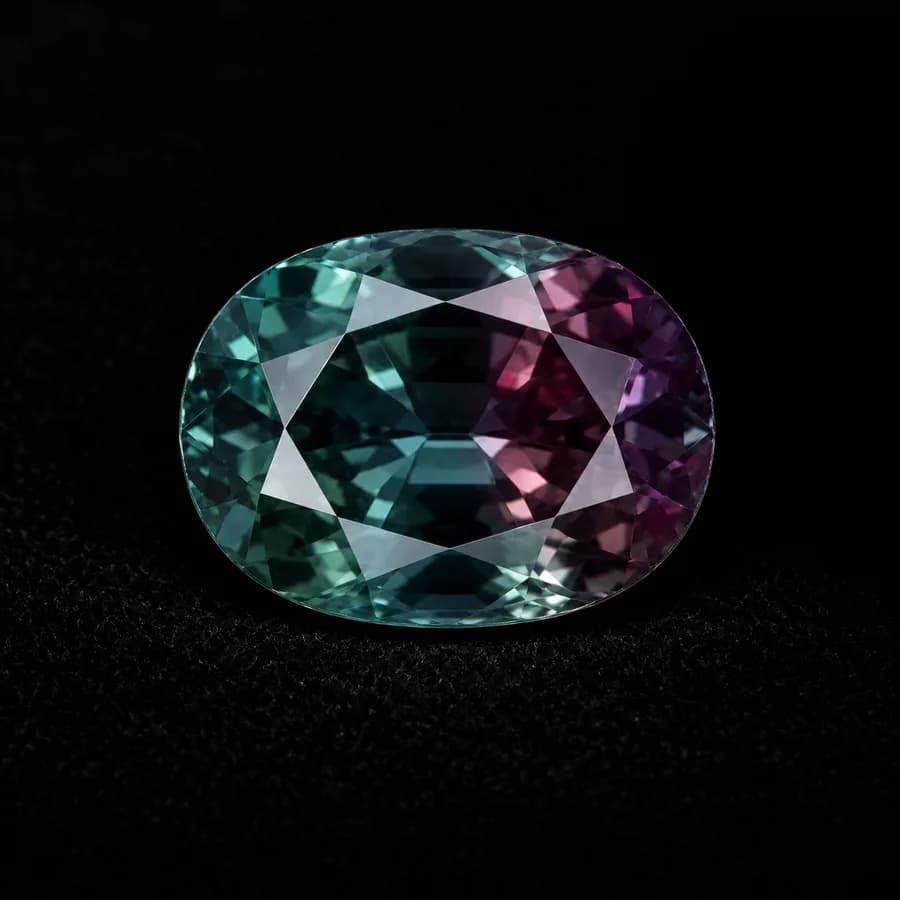
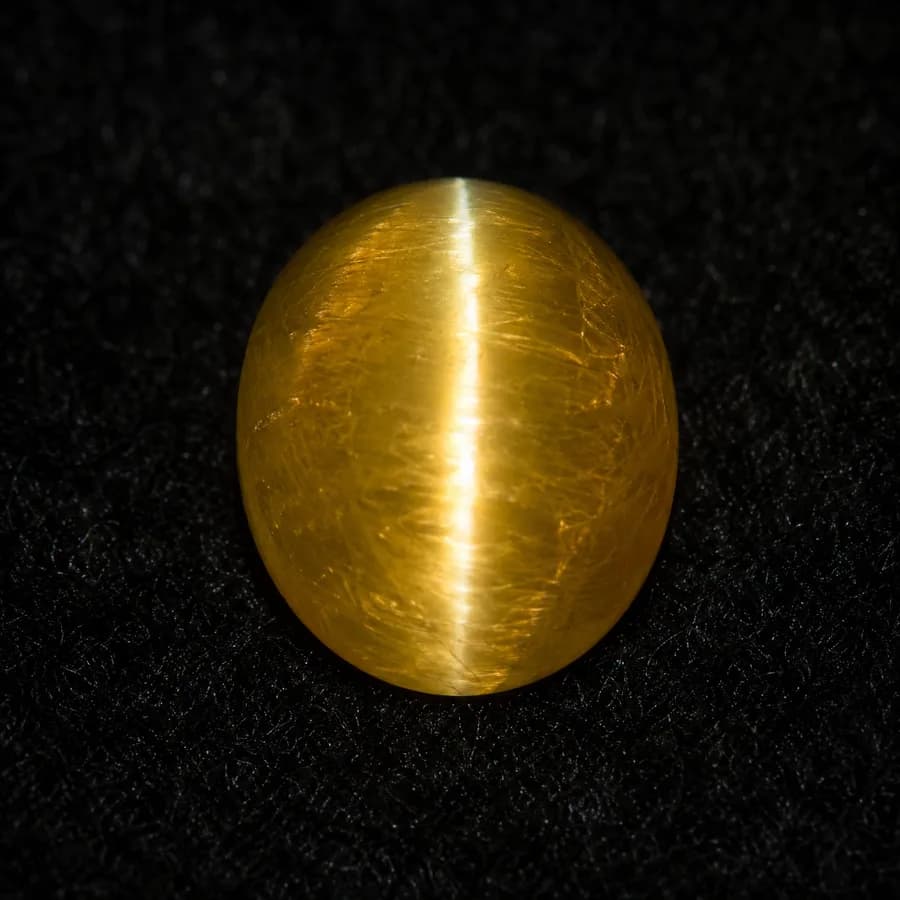
Chrysoberyl is a beryllium aluminium oxide whose name derives from the Greek for golden beryl, though it is a distinct species from beryl. Its transparent yellow to greenish-yellow stones are beautiful gems in their own right, while its rare varieties, alexandrite and cat's eye, rank among the most celebrated gems in the world.
Updated:
Natural Beauty
From Sri Lanka
Durability
Mohs 8.5
Treatments
Typically untreated
Overview
Sri Lanka is one of the classic sources of all three.
Colours
Ordinary transparent chrysoberyl ranges from pale yellow through golden and greenish yellow to brownish tones, with iron the principal colouring element. The most admired stones show a bright, clean golden yellow or a fresh yellowish green with strong brilliance, chrysoberyl's high refractive index gives it noticeable life for a yellow gem. The species also includes two famous varieties treated separately in this encyclopedia: alexandrite, defined by chromium-driven colour change, and cymophane or cat's eye, defined by chatoyancy. A stone described simply as chrysoberyl in the trade is normally the transparent faceted yellow-to-green type, an underappreciated gem offering rarity and durability at accessible prices.
Quality Factors
Chrysoberyl is valued on the usual factors: purity and brightness of colour, clarity, cutting and size. Clean, vivid golden or minty greenish-yellow stones lead; brownish or greyish material is more affordable. The species is often quite clean, so eye-visible inclusions count against a stone, and its brilliance rewards precise faceting. Sizes above a few carats are uncommon but not exceptional, keeping prices reasonable for a gem of such hardness. Chrysoberyl offers one of the best durability-to-price ratios in gemmology, which makes it attractive for daily-wear jewellery. Laboratory confirmation of identity is worthwhile for finer stones, since yellow sapphire, citrine and other yellow gems can appear similar to the eye.
Treatments
Chrysoberyl is typically untreated: its yellow to greenish colours are natural and stable, and no enhancement is routinely applied to the transparent variety. This makes the species refreshingly straightforward to buy compared with heavily treated gem categories. Should any treatment ever be applied to a particular stone, it should be disclosed at every stage of sale, in line with international trade standards such as CIBJO's Gemstone Book (Blue Book). The practical checks for buyers are identity and natural origin: confirming the stone is chrysoberyl rather than another yellow gem, and not a synthetic. A gemmological laboratory resolves both quickly, and a report is sensible for any stone of significant value.
CIBJO’s Gemstone Book, one of the Blue Book standards published by the World Jewellery Confederation, calls for every treatment to be disclosed at each sale, and consumer law in many countries separately requires material facts such as treatment to be disclosed. Undisclosed treatment is grounds to walk away, see our guide to heated versus unheated stones.
Origin in Sri Lanka
Sri Lanka is a historic and continuing source of chrysoberyl, recovered from the island's alluvial gravels in areas such as Ratnapura, Elahera and Rakwana, frequently alongside sapphire and spinel. Brazil is another major producer, and material also comes from India, Madagascar, Tanzania and Myanmar. Sri Lankan chrysoberyl has long fed the trade in fine cat's eyes as well as faceted golden stones, and the island's name is closely attached to the species' reputation. Because chrysoberyl survives river transport exceptionally well thanks to its hardness, waterworn pebbles in gem gravels are its characteristic occurrence in Sri Lanka.
Origin describes where a stone was mined, it is not a grade, and trade terms such as “Ceylon” are origin descriptions, never an automatic premium. A fine stone from elsewhere can outclass a mediocre stone from a famous source; judge colour, clarity, cut and treatment first. Remember also that a laboratory origin determination is an expert opinion based on inclusions and chemistry, not an infallible guarantee, and a seller’s origin claim is not laboratory confirmation. Origin claims belong on the invoice and, for important stones, in a report.
Care
With hardness 8.5 and good toughness, chrysoberyl is among the most durable of all gemstones and copes easily with rings, bracelets and daily wear. Care is simple: warm soapy water and a soft brush, with a thorough rinse. Ultrasonic and steam cleaning are generally safe for this untreated species, though visibly included stones deserve gentler handling. Only diamond and corundum will scratch it, but store pieces separately anyway to protect softer neighbours in the jewellery box. Check settings periodically, especially on rings worn constantly. A chrysoberyl treated with this minimal care will remain bright across generations.
As a Loose Stone
Where It Is Found in Sri Lanka
- Ratnapura
- Elahera
- Rakwana
Common Treatments at a Glance
- Typically untreated
All treatments must be disclosed at sale. See our treatment guides and treatment reports.
Chrysoberyl: frequently asked questions
Is chrysoberyl the same as beryl?
No. Despite the name, chrysoberyl (BeAl₂O₄) and beryl (Be₃Al₂Si₆O₁₈) are different minerals with different structures and properties. Both contain beryllium, which explains the historical naming. Chrysoberyl is notably harder and denser than beryl varieties such as aquamarine or emerald.
What is the relationship between chrysoberyl, alexandrite and cat's eye?
Alexandrite and cat's eye are both varieties of chrysoberyl. Alexandrite is chrysoberyl that changes colour thanks to chromium; cat's eye, or cymophane, is chrysoberyl whose fine parallel inclusions create a bright moving band of light. Very rare stones combine both effects.
How can I tell chrysoberyl from yellow sapphire or citrine?
The three can look similar but differ in hardness, refractive index and density. A qualified gemmologist separates them quickly with standard instruments, and a laboratory report settles identity definitively. For any valuable yellow stone, buy with documentation rather than on appearance.
Is chrysoberyl good for everyday jewellery?
Excellent, at hardness 8.5 it is harder than every common gem except corundum and diamond, it resists scratching and it is typically untreated. It is one of the most practical choices available for rings worn daily, and generally more affordable than sapphire of similar quality.