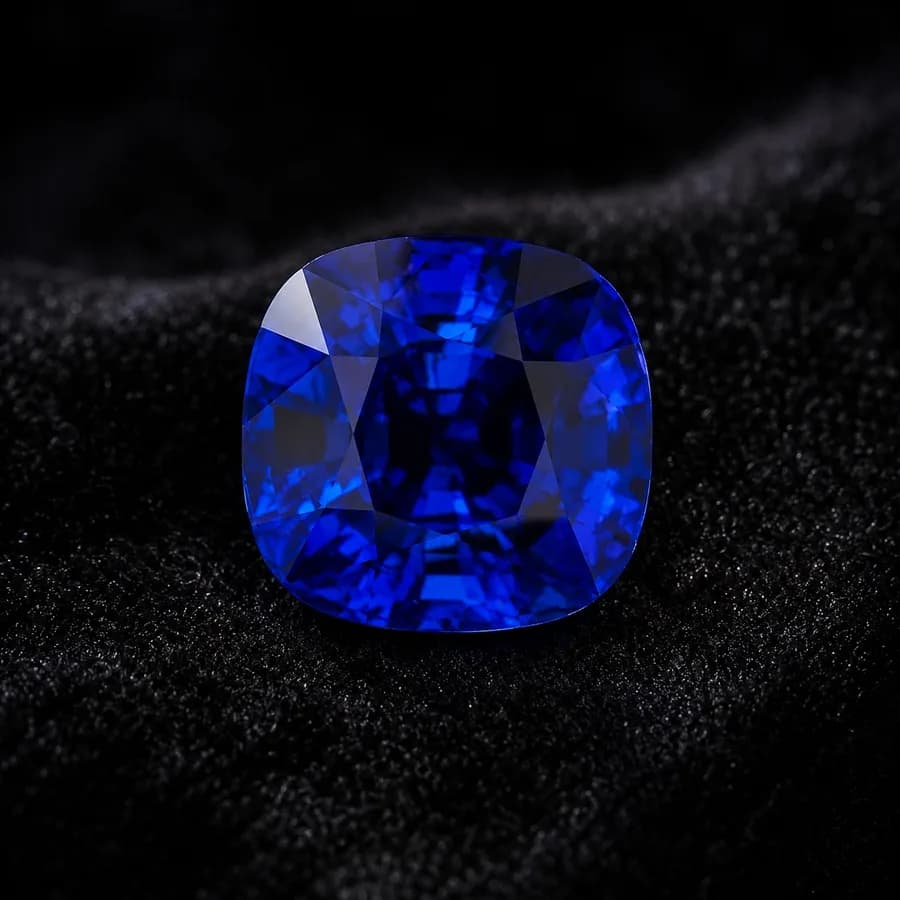
Green Sapphire
The quiet, forest-toned side of the sapphire family
Green sapphire is corundum coloured green, typically by iron, and often shows subtle mixtures of blue and yellow zones within one crystal. Sri Lanka's gem fields produce green sapphires alongside the island's better-known blues and fancy colours.
Updated:
Natural Beauty
From Sri Lanka
Durability
Mohs 9
Treatments
Often untreated
Overview
Long overlooked, the variety has gained a modern following for its muted, sophisticated tones and frequently untreated status.
Colours
Green sapphire covers a broad palette: pure greens, bluish teal greens, yellowish and olive tones, and greyish forest hues. The colour usually derives from iron, and many stones are actually finely zoned combinations of blue and yellow that blend to green in the face-up view. Teal stones balanced between blue and green have become especially fashionable in contemporary jewellery. Compared with emerald green, sapphire greens tend to be more muted and earthy, which is part of their character. Strong colour zoning can be visible in some stones, so face-up evenness is worth checking. Because so much of the material is subtle rather than vivid, personal taste plays an unusually large role in choosing a green sapphire.
Quality Factors
Value in green sapphire follows saturation and balance of hue: cleaner, more vivid greens and well-balanced teals are the most sought after, while heavily greyish or brownish olive stones are more affordable. Clarity is generally good in this variety, so eye-clean stones are a reasonable expectation. Cut matters for managing colour zoning, a skilled cutter orients the stone so the face-up colour appears even. Green sapphire remains less expensive than comparable blue sapphire, offering corundum durability at accessible prices. Many stones are unheated, which appeals to buyers who prefer untreated gems; laboratory confirmation of treatment status and natural origin is still recommended for significant purchases.
Treatments
A notable attraction of green sapphire is that much of it is untreated: the iron-related colour often does not respond to heating in commercially useful ways, so a larger share of stones reaches the market in natural state than for blue sapphire. Heating nonetheless occurs, particularly to adjust blue-green material, and any treatment should be disclosed at every stage of sale under international trade standards such as CIBJO's Gemstone Book (Blue Book). Diffusion and fracture filling are less commonly associated with this variety but remain possible in the wider corundum trade. As always, only laboratory testing can reliably establish treatment status, and a report from a recognised laboratory is the sensible foundation for any meaningful purchase.
CIBJO’s Gemstone Book, one of the Blue Book standards published by the World Jewellery Confederation, calls for every treatment to be disclosed at each sale, and consumer law in many countries separately requires material facts such as treatment to be disclosed. Undisclosed treatment is grounds to walk away, see our guide to heated versus unheated stones.
Origin in Sri Lanka
Sri Lanka produces green sapphire from its alluvial gravels in areas such as Ratnapura, Elahera and Rakwana, typically alongside blue and fancy sapphires rather than as a target in its own right. Other significant sources of green and teal sapphire include Australia, Madagascar, Thailand and, more recently, deposits in the United States such as Montana. Sri Lankan greens are often lighter and brighter than the dark Australian material. Laboratories can sometimes offer origin opinions based on inclusions and trace-element chemistry. For buyers, origin in green sapphire is usually a matter of interest rather than a major price driver, with colour quality remaining paramount.
Origin describes where a stone was mined, it is not a grade, and trade terms such as “Ceylon” are origin descriptions, never an automatic premium. A fine stone from elsewhere can outclass a mediocre stone from a famous source; judge colour, clarity, cut and treatment first. Remember also that a laboratory origin determination is an expert opinion based on inclusions and chemistry, not an infallible guarantee, and a seller’s origin claim is not laboratory confirmation. Origin claims belong on the invoice and, for important stones, in a report.
Care
Green sapphire is as robust as any corundum: hardness 9, no cleavage, excellent everyday durability. Clean with warm soapy water and a soft brush, paying attention to the back of the stone where dust gathers. Ultrasonic and steam cleaners are generally safe for untreated and heated stones; avoid them only if the stone is known or suspected to be fracture filled. The muted colours of many green sapphires hide dirt better than pale stones, but regular cleaning still keeps them at their best. Protect settings from hard knocks, store pieces separately, and have a jeweller inspect claws and mounts from time to time.
As a Loose Stone
Where It Is Found in Sri Lanka
- Ratnapura
- Elahera
- Rakwana
Common Treatments at a Glance
- Often untreated
- Heating (occurs; must be disclosed)
All treatments must be disclosed at sale. See our treatment guides and treatment reports.
Green Sapphire: frequently asked questions
What causes the colour in green sapphire?
Iron is the main colouring agent, and many green sapphires are microscopic alternations of blue and yellow growth zones that combine to appear green. This is why the variety so often shows bluish or yellowish secondary hues, and why careful cutting influences the face-up colour.
Are teal sapphires the same as green sapphires?
Teal is a trade term for stones balanced between blue and green, and such stones sit within the green-to-blue sapphire range. There is no formal boundary, so descriptions vary between sellers. Judge the actual stone under several light sources rather than relying on the label.
How can I tell if a green sapphire is real?
Green glass, synthetic corundum and other green gems can be confused with green sapphire. A gemmological laboratory can confirm the material, detect any treatment and, in some cases, comment on origin. For any stone of significance, buy with a laboratory report from a recognised body.
Is green sapphire good value?
Generally yes: it offers sapphire durability and natural, often untreated colour at prices below comparable blue sapphire. Value depends on the individual stone, and fashionable teal colours have risen in demand. Compare documented stones of similar size and quality when assessing a price.