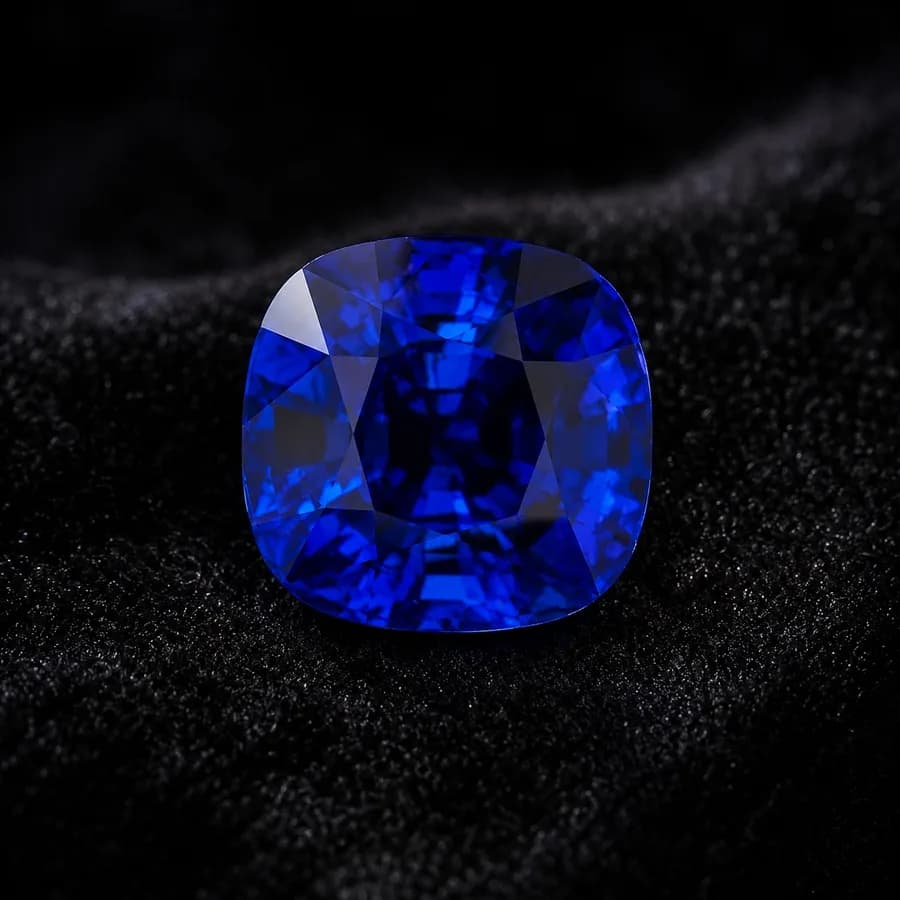
Aquamarine
The serene sea-blue member of the beryl family
Aquamarine is the blue to greenish-blue variety of beryl, sister to emerald, coloured by traces of iron. Its name comes from the Latin for seawater, matching its cool, limpid colour.
Updated:
Natural Beauty
From Sri Lanka
Durability
Mohs 7.5–8
Treatments
Heating (common, to reduce green tones; must be disclosed)
Overview
Sri Lanka produces aquamarine among the varied yield of its gem fields, and the stone is the modern birthstone for March, valued for its clarity, durability and calm elegance.
Colours
Aquamarine runs from the palest hint of blue through sky and sea blues to the rare deeper blues that lead the market. Iron is the colouring agent, and many crystals emerge from the ground greenish blue; gentle heating shifts them towards purer blue, which is why untreated greenish stones and heated blue stones both appear in the trade. Unlike its sister emerald, aquamarine typically forms in clean, large crystals, so its colour is displayed through exceptional transparency. Tone is usually light to medium, aquamarine is not a dark gem, and stones need reasonable size to show saturated colour. Slightly greenish natural stones have their own following among buyers preferring unheated material.
Quality Factors
Colour depth is the chief driver of aquamarine value: deeper, more saturated blues command the strongest prices, while pale material is abundant and affordable. Clarity expectations are high, since the variety routinely produces eye-clean, even loupe-clean stones; visible inclusions are penalised accordingly. Cutting quality shows plainly in so transparent a gem, precision faceting produces a limpid, sparkling stone, and aquamarine is a favourite of designer cutters for fantasy cuts. Because colour intensifies with size, fine large stones carry premium per-carat rates. Treatment status is a modest factor given that heating is routine and stable, but full disclosure remains obligatory, and laboratory reports are worthwhile for important stones.
Treatments
Heating is the standard treatment of aquamarine: low-temperature heat removes greenish and yellowish components, turning greenish-blue rough into the pure blue the market historically favoured. The change is permanent, stable and undetectable in most cases, and the trade widely accepts it, but it must still be disclosed at every stage of sale, like every treatment of every gem. Untreated stones, including naturally greenish-blue aquamarine, appeal to buyers who prefer material exactly as mined. Irradiation is associated with a different beryl (the deep-blue maxixe type), whose colour famously fades and which must never be sold as ordinary aquamarine. Laboratories can identify maxixe-type beryl and advise on stability.
CIBJO’s Gemstone Book, one of the Blue Book standards published by the World Jewellery Confederation, calls for every treatment to be disclosed at each sale, and consumer law in many countries separately requires material facts such as treatment to be disclosed. Undisclosed treatment is grounds to walk away, see our guide to heated versus unheated stones.
Origin in Sri Lanka
Brazil has been the dominant modern source of aquamarine, with important production also from Africa, Mozambique, Nigeria, Madagascar and Zambia, plus Pakistan and Vietnam. Sri Lanka contributes aquamarine from its gem-bearing regions, recovered alongside the island's wider spectrum of stones in areas such as Ratnapura and Elahera. Beryl requires beryllium-rich geological environments, typically pegmatites, and Sri Lankan finds reflect the island's varied geology beyond its famous corundum gravels. Origin plays a smaller role in aquamarine pricing than in sapphire or ruby; colour depth and clarity decide value, whichever country the stone comes from.
Origin describes where a stone was mined, it is not a grade, and trade terms such as “Ceylon” are origin descriptions, never an automatic premium. A fine stone from elsewhere can outclass a mediocre stone from a famous source; judge colour, clarity, cut and treatment first. Remember also that a laboratory origin determination is an expert opinion based on inclusions and chemistry, not an infallible guarantee, and a seller’s origin claim is not laboratory confirmation. Origin claims belong on the invoice and, for important stones, in a report.
Care
Aquamarine wears well: hardness 7.5 to 8 and generally good toughness suit it to rings, bracelets and daily jewellery with ordinary care. Clean with warm soapy water and a soft brush; ultrasonic cleaning is usually safe for clean stones but should be avoided for stones with liquid inclusions or fractures, and steam cleaning is best avoided since sudden heat can be risky. Prolonged strong heat can also affect colour in some beryls, so keep the gem away from sustained high temperatures. Protect corners of emerald-cut and fancy-cut stones from knocks, store the gem apart from harder stones, and have settings inspected from time to time.
As a Loose Stone
Where It Is Found in Sri Lanka
- Ratnapura
- Elahera
Common Treatments at a Glance
- Heating (common, to reduce green tones; must be disclosed)
All treatments must be disclosed at sale. See our treatment guides and treatment reports.
Aquamarine: frequently asked questions
Is aquamarine related to emerald?
Yes, both are varieties of the mineral beryl. Emerald is coloured by chromium or vanadium and is typically heavily included, while aquamarine is coloured by iron and usually forms much cleaner crystals. This is why aquamarine is more durable in practice and considerably more affordable.
How can I tell if an aquamarine is real?
Blue topaz, synthetic spinel and glass are common stand-ins for aquamarine and can deceive the eye. Standard gemmological testing separates them readily, and a laboratory report confirms identity and any observations on treatment. For a significant stone, buy with documentation from a recognised laboratory.
Is darker aquamarine better?
Deeper blue commands higher prices, and saturated stones are the rarest form of the gem. Beauty is broader than price, though, many wearers prefer the airy pale blues that made aquamarine famous. Choose the depth of colour you love; just pay a price appropriate to it.
Are most aquamarines heated?
A large share of the blue aquamarine on the market has been gently heated to remove greenish tones, a stable and accepted practice that must nonetheless be disclosed. Unheated stones, often slightly greenish, are available for buyers who prefer untreated gems. Sellers should state treatment status plainly.